Can You Hear Me Now? A Guide to Hearing Disability and Workplace Inclusion
Abi Adamson
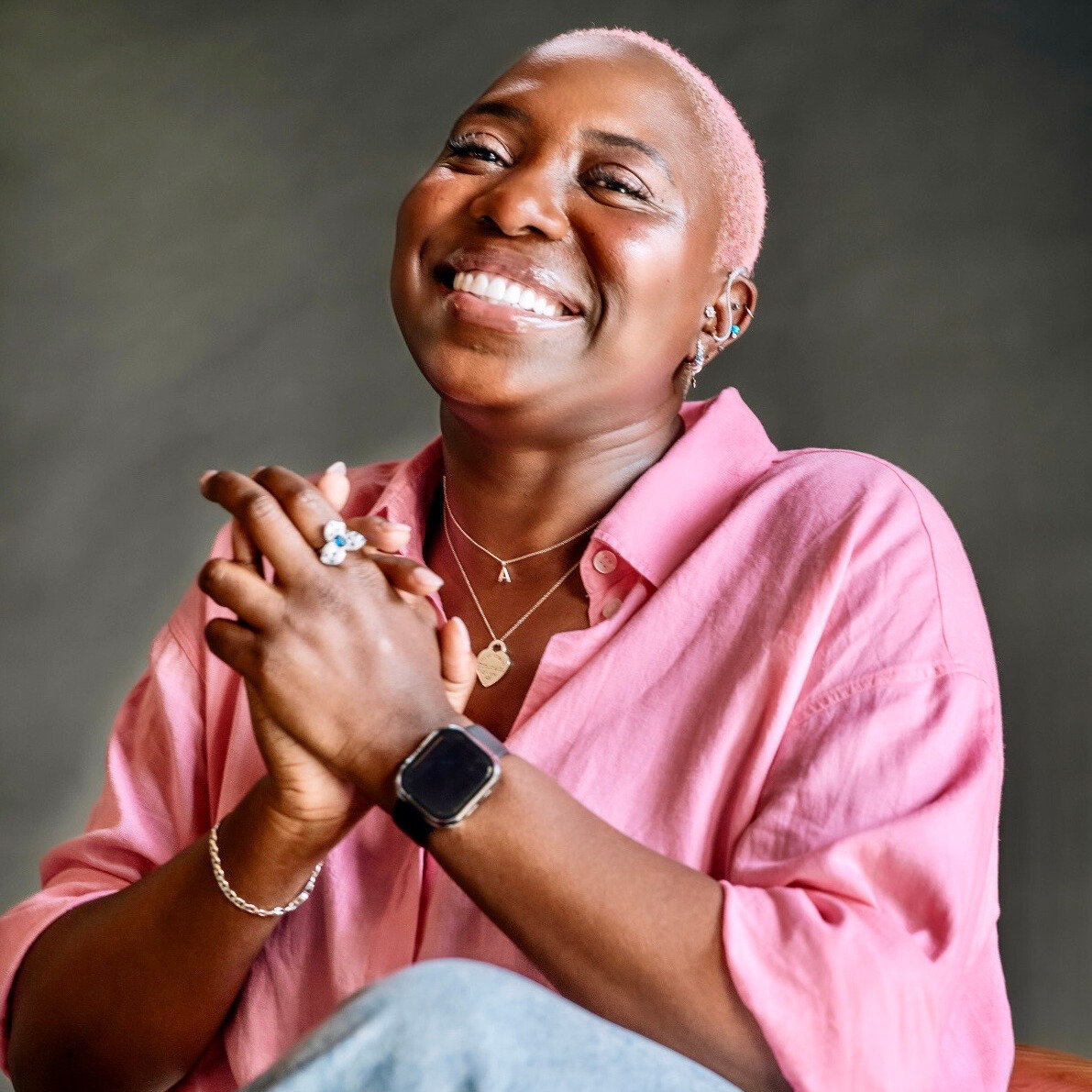
During the expert session, Abi Adamson engages the audience through a live Q&A session. Inspiring reflection and encouraging active participation from all attendees.
Understanding and appreciating the unique experiences and contributions of individuals with hearing loss is essential for creating inclusive workplaces.
Making small, cost-effective changes to workplace communication tools and environments, such as enabling captions or sharing documents, can significantly improve accessibility for individuals with hearing loss.
Creating a culture of understanding, validation, and acceptance is crucial for reducing stigma surrounding hearing loss and other disabilities. By encouraging open conversations and offering resources for those struggling, organizations can foster an inclusive environment where everyone feels valued and supported.
In this expert session, Abi shared her personal experiences and insights into living with hearing loss in a work environment and the challenges that come with it. She highlighted that hearing loss is not just about silence or muffled sounds but a disorienting experience where important information is constantly missed, leading to feelings of isolation and cognitive overload.
Abi discussed the emotional toll of microaggressions and the stigma surrounding asking for accommodations, often resulting in shame and silencing. She emphasized the need for empathy, understanding, and inclusive workplace cultures that prioritize making workplaces more accessible for individuals with hearing loss.
She proposed practical steps organizations can take to make their workplaces more inclusive without significant budget approval or complex implementation. These suggestions included enabling auto-captions in video conferencing tools, using transcription services, sharing documents during meetings, and improving conference room acoustics.
Abi noted that these changes could benefit everyone by enhancing collaboration and creating a more inclusive workplace culture.
Abi emphasized that the suggested adjustments are not about silencing all background noise or drastically changing workplaces but rather making small considerations for everyone's needs. She explained that these accommodations can lead to competitive advantages, such as accessing a wider talent pool and valuing different ways of processing information.
Throughout the session, Abi used the Mentimeter app to engage participants in discussions and collect feedback through interactive questions.
It is interactive, and the block above says exactly how for this session. Nobody has to speak up who does not want to: the chat and the polls carry most of it, and the questions can come in anonymously.
Abi Adamson is one of the experts we auditioned ourselves, and we produce every session so we see how each one lands. Participants rate this session 4.4 out of 5, across 60 responses, and rate Abi personally 4.6 out of 5.
It runs 45 min / 15 min: the talk, then live questions. All you do is pick a date. We brief Abi, produce the session, host and moderate it, run the Q&A, and send you the report within an hour of the end.
A team, a department, an employee network or every single employee at once, with no cap and no per-seat price. It runs inside your own Microsoft Teams, Zoom or Google Meet, or on a branded page we build. No integration, no login, no company device or e-mail.
The session is delivered in English. You can add high accuracy live subtitles in 8, 16 or 24 languages, so everyone follows in their own. That is a paid option, priced by the number of languages you need.
No, and that is by design. There is nothing to install, nothing to integrate and no connection to your systems, so there is nothing for IT to validate: we join your own Teams, Zoom or Meet as a guest speaker, or we host a page and your people open a link. No software, no accounts, and no data of yours that we can reach. It is why hundreds of companies, among them some of the largest technology and financial firms in the world, were able to start within a day.
We never receive or hold personal data about your employees. Because the session runs in your own environment, attendance and identity stay with you, and what we report back is aggregated: numbers, ratings and survey answers, not people. That is also why IT approval usually takes minutes rather than weeks.
You keep the recording and can share it internally. You also get attendance over time, participant ratings for the content and the speaker, the survey answers, and the topics your people asked for next.
Allyship isn't a title you claim; it's work you do when no one's watching.
Most workplace conflicts aren't about the surface disagreement; they're about unmet needs, unheard voices, and unequal power…
What we'll cover: Why most feedback fails (and it's not the person receiving it) The psychology of receiving criticism - what…
Growth mindset isn't just corporate buzzwords - it's the difference between people who see challenges as dead ends and those who…
Emotional intelligence isn't a personality trait you either have or you don't. It's a practice shaped by the culture around you.
Leadership isn't about having all the answers; it's about creating space for everyone's brilliance to emerge.
In this session, Abi Adamson explores the quiet ways AI is reshaping how people feel at work: the pressure to keep pace with…
Most workplaces are getting AI wrong. Not because they are investing too much in the technology, but because they are forgetting…
Five generations in one workplace, and we're still pretending the tension is about work ethic or technology.
Psychological Safety is a well documented driver of high performance in teams and organisations.
Ramadan and Eid are deeply significant periods in the Islamic calendar, marked by fasting, prayer, and community celebrations.
What does being an ‘Ally’ mean? From case studies to the Wheel of Power and Privilege, this interactive session will take you…
During Taz's session ‘inclusive thinking’ you’ll learn to understand the impact of unconscious bias.
Having white privilege and recognising it is not racist. But white privilege exists because of historic, enduring racism and…
The topic of culture can sometimes seem dry or theoretical, however in reality we all have a natural ability to connect with…