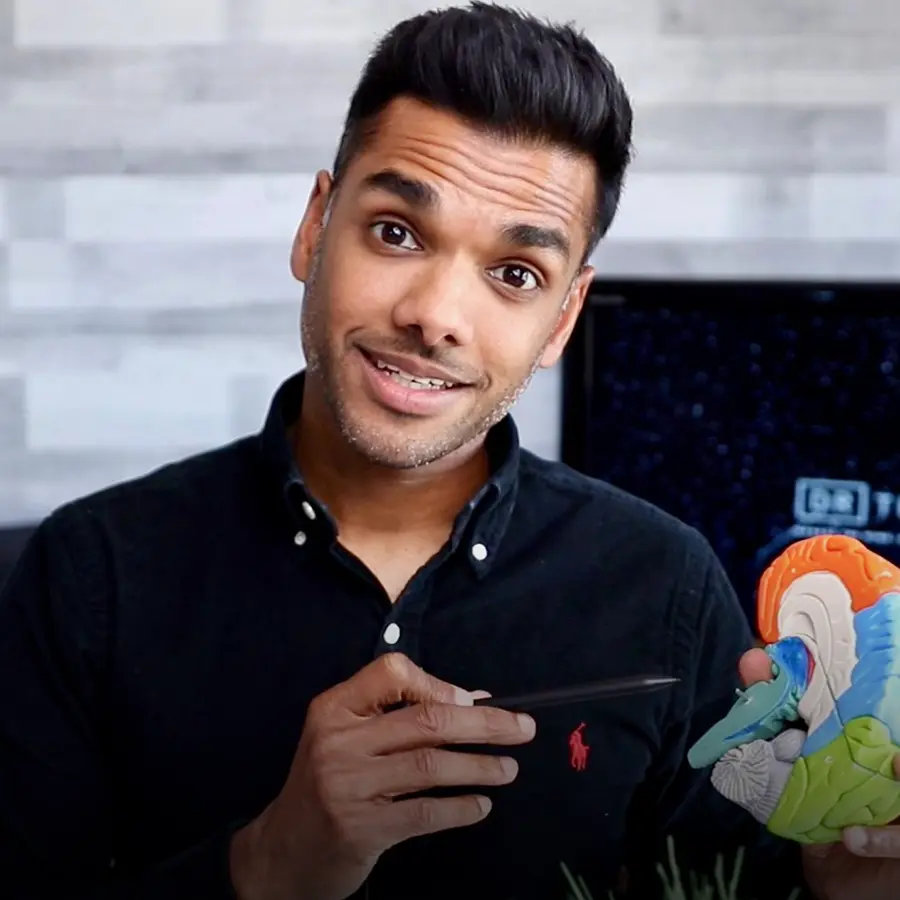
This one runs as a masterclass: Dr. Tharaka takes your colleagues through the research and the thinking behind it, with live questions throughout.
Psychological Safety is a well documented driver of high performance in teams and organisations. It is the climate of openness between people that allows the freedom to speak up, ask questions and safely challenge perspectives in a constrictive way that weed out risk and drive better results.
But how much psychological safety do you have currently, and what do you need to do to maintain or increase it?
By the end of this session you will:
Great for organisations who want to improve and maintain a sense of inclusion, contribution and team communication; great for teams who want to improve and optimise the interpersonal atmosphere to increase performance and staff wellbeing.
During the expert session, Dr. Tharaka encourages active audience participation through the use of the Mentimeter app for interactive activities, Q&A sessions, and sharing personal experiences as a means to discuss the importance of trust in creating psychological safety within teams and workplaces.
Understanding the importance of trust in building psychologically safe work environments and implementing evidence-based behaviors that increase oxytocin production and promote inclusion is crucial for enhancing team collaboration and productivity.
Recognizing cognitive biases such as the Dunning-Kruger effect, which can hinder our ability to create psychological safety, and continuously striving for improvement is essential in fostering open communication, respect, and empathy among team members.
Implementing behaviors that promote psychological safety, such as clear communication, active listening, and recognizing excellence, can help build trust within teams and create a more inclusive, supportive work environment where all voices are valued and encouraged to contribute their ideas and perspectives.
In this expert session, Dr. Tharaka, also known as Dr. T, a psychiatrist, consultant, and expert in psychological safety, explores the significance of trust in creating a psychologically safe work environment.
He begins by engaging participants with interactive activities to encourage openness and connection among attendees.
Dr. T highlights the importance of understanding the science behind trust, which is essential for fostering psychological safety. He discusses how oxytocin, a molecular marker of trust, leads to increased collaboration, better relationships, and higher productivity.
The expert also shares insights into the unconscious biases that influence our judgments and perceptions, emphasizing the need for self-awareness to promote inclusion and build trust among team members.
Throughout the session, Dr. T offers evidence-based strategies for increasing trust and building a psychologically safe work environment. These practices include recognizing excellence in each other, effective communication, intentional relationship-building, whole-person growth, and admitting uncertainty together.
By actively practicing these behaviors, teams can create a culture of trust that is crucial for overall team success.
Dr. T acknowledges the challenges that junior staff may face when speaking up in the presence of their seniors and offers strategies to promote psychological safety for all members. He encourages participants to reflect on their current trust-building behaviors and consider ways they can improve them to enhance team performance and overall well-being.
The expert session continues as Dr. T discusses the complexity of psychological safety in the workplace, emphasizing that it requires a combination of individual and organizational efforts. He encourages participants to be aware of their own behaviors and how they contribute to creating or hindering psychological safety.
Dr. T also shares tips on increasing psychological safety, such as clear communication, active listening, and moving your face during virtual meetings to engage others. He emphasizes the importance of continuous learning and improvement in fostering a psychologically safe environment and leaves participants with an inspiring question: "What if your organization could become a template for psychological safety done well?"
Throughout the session, Dr. T encourages open dialogue and questions, addressing concerns regarding disrespectful behavior from colleagues towards contractors within organizations. He emphasizes the need for managers to intervene and address mistrust behaviors to ensure psychological safety for all parties involved.
From the survey every participant gets when the session ends, in their own words.
Dr. T delivered a compelling and insightful presentation on the role of fear in our professsional life. His clarity in explaining psychological concepts was impressive. The use of real-life examples made the topic highly relatable and engaging. Thanks
I enjoyed the session, thought it was very engaging and liked Dr Ts facilitation skills and techniques. I liked the questions throughout as there was no speaking from the audience, it was still two way, rather than just a listening session
Thank you for the session, it is very interactive and interesting.
Thank you for organizing this very interesting session!
It was very interesting, I learned much Thanks a lot.
Very useful and interesting session. Thank you 😊
Was great, good host, very professional. Thanks!
- Very interesting and inspiring seminar that made it clear how I can positively affect psychological safety for myself and my colleagues. We see and experience the world for who we are.
It is interactive, and the block above says exactly how for this session. Nobody has to speak up who does not want to: the chat and the polls carry most of it, and the questions can come in anonymously.
Psychological Safety is a well documented driver of high performance in teams and organisations. It is the climate of openness between people that allows the freedom to speak up, ask questions and safely challenge perspectives in a constrictive way that weed out risk and drive better results. It is built for a general working audience: no prior knowledge is assumed, and people who already know the subject get the research and the practical side rather than an introduction.
A masterclass. Dr. Tharaka takes your colleagues through the subject and the reasoning behind it, and answers live questions. It is practical in what people take away, without the hour turning into an exercise class.
It runs 45 min / 15 min: the talk, then live questions. All you do is pick a date. We brief Dr., produce the session, host and moderate it, run the Q&A, and send you the report within an hour of the end.
A team, a department, an employee network or every single employee at once, with no cap and no per-seat price. It runs inside your own Microsoft Teams, Zoom or Google Meet, or on a branded page we build. No integration, no login, no company device or e-mail.
The session is delivered in English. You can add high accuracy live subtitles in 8, 16 or 24 languages, so everyone follows in their own. That is a paid option, priced by the number of languages you need.
No, and that is by design. There is nothing to install, nothing to integrate and no connection to your systems, so there is nothing for IT to validate: we join your own Teams, Zoom or Meet as a guest speaker, or we host a page and your people open a link. No software, no accounts, and no data of yours that we can reach. It is why hundreds of companies, among them some of the largest technology and financial firms in the world, were able to start within a day.
We never receive or hold personal data about your employees. Because the session runs in your own environment, attendance and identity stay with you, and what we report back is aggregated: numbers, ratings and survey answers, not people. That is also why IT approval usually takes minutes rather than weeks.
You keep the recording and can share it internally. You also get attendance over time, participant ratings for the content and the speaker, the survey answers, and the topics your people asked for next.
The menopause has an impact on everyone. At work, at home, in your social life - where women have to navigate this brain-body…
Stress and Burnout are on the rise in the workplace now more than ever before.
"What’s their name again? Why did I walk into this room? What were my 4 actions from that last team meeting?
Ramadan and Eid are deeply significant periods in the Islamic calendar, marked by fasting, prayer, and community celebrations.
What does being an ‘Ally’ mean? From case studies to the Wheel of Power and Privilege, this interactive session will take you…
During Taz's session ‘inclusive thinking’ you’ll learn to understand the impact of unconscious bias.
Having white privilege and recognising it is not racist. But white privilege exists because of historic, enduring racism and…
The topic of culture can sometimes seem dry or theoretical, however in reality we all have a natural ability to connect with…
Female Leadership is in high demand in organizations but numbers show that often women are still not present at the tables of…