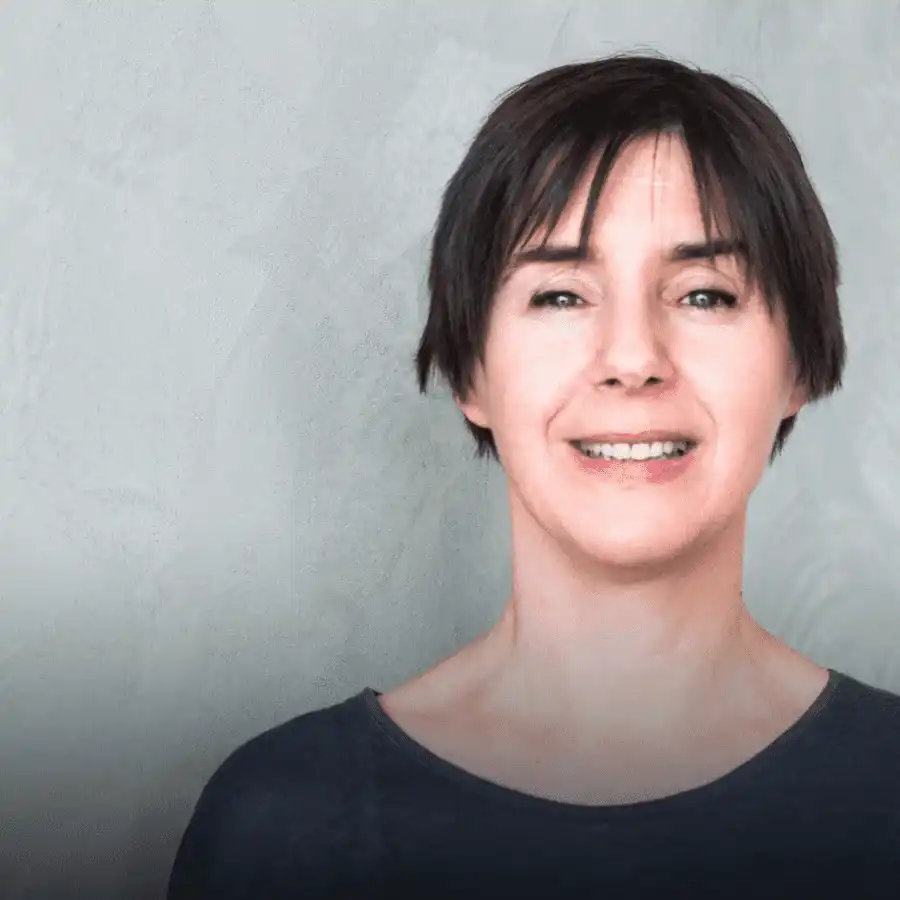
The topic of culture can sometimes seem dry or theoretical, however in reality we all have a natural ability to connect with people from different cultural backgrounds and we do this everyday unaware of the skills and tools we are using. In this session we bring a fresh approach to culture, focusing on developing your natural ability to adapt to different people into a concious cultural agility to connect, understand and be understood.
The focus of this session is to show you a simple framework that enables you to analyse the person in front of you, building on your own social skills and experience, and identify what is important to them culturally and then be able to choose from a range of practical strategies to improve your communication.
If you are looking for a follow-up, Anne Parker’s session Feedback Across Cultures: How to Be Heard, Understood and Trusted is a good choice, as it builds on these concepts and helps participants translate cultural awareness into practical workplace impact.
During the expert session, Anne explores cultural differences impacting business interactions through a Q&A session, live demonstrations, and interactive exercises. Communication styles, decision-making processes, and work ethic are discussed as areas of potential cultural disparity.
Anne highlights differences in communication preferences between cultures, the significance of group consensus in decision-making, and varying work ethics. Participants engage in activities to increase cultural awareness and adaptability, fostering effective collaboration across diverse teams.
Understanding that different cultures prioritize various communication styles is essential in business settings. Being aware of these differences can help prevent misunderstandings and improve relationships with colleagues.
Different cultures value different approaches to decision-making, from individual merit to group consensus. Being mindful of these cultural differences can enhance productivity in multicultural teams and promote effective collaboration.
Work ethics vary across cultures, with some emphasizing long working hours and others prioritizing work-life balance. Comprehending these distinctions can help manage expectations and create successful teams in a global business environment.
In this expert session, Anne discusses the significance of cultural awareness and competence in a global business environment. The speaker underscores the impact of cultural differences on business interactions, emphasizing that values, beliefs, and attitudes form the foundation of culture.
Anne delves into three areas where cultural differences can significantly influence business interactions: communication styles, decision-making processes, and work ethic. Firstly, Anne highlights the challenges of communication across different cultures, with some prioritizing direct and explicit messaging while others value indirect or implicit forms of communication.
For instance, in some Asian countries, saving face and avoiding confrontation is crucial, leading to more subtle communication styles. In contrast, in North America, clarity and directness are preferred.
Secondly, Anne discusses the disparities in decision-making processes across cultures. In individualistic cultures such as Europe and North America, decisions are often based on merit. However, in other cultures, group consensus plays a significant role, making decisions a more collaborative process.
Understanding these differences can help prevent misunderstandings and improve productivity in multicultural teams.
Lastly, Anne touches upon work ethic, which varies from one culture to another. For example, in some Asian countries, working long hours is the norm, while work-life balance is valued in Europe. Understanding these differences can help manage expectations and build more effective teams.
In conclusion, cultural awareness and competence are essential skills for anyone working in a global business environment. Anne encourages participants to be open-minded, curious, and adaptable when interacting with colleagues from diverse backgrounds.
By recognizing the impact of culture on business interactions, we can improve communication, build stronger relationships, and create more successful teams.
Anne emphasizes the importance of effective communication, particularly in group settings. She suggests ensuring that everyone feels comfortable speaking up and sharing their thoughts while acknowledging cultural differences that may influence communication styles.
Anne also offers examples of different communication styles and challenges of adapting to remote or online working environments.
At the end of this session, there is an opportunity to ask questions and explore further resources on cultural agility in the workplace.
From the survey every participant gets when the session ends, in their own words.
Personally, I have learned that I need to read the room before diving into small talk. This is wonderful awareness. Thank you.
Wonderful session about Culture. I loved the slides which were very crisp, less of text and more visuals.
A really brilliant, inspiring and professional lecture, thank you very much for that! really marvellous
Dear Anne Parker, Thank you for this wonderful session. Well articulated and explained. It helped us understand the different perspectives and also re-affirm the practice we were having wrt dealing with the different diverse collegues spread we've. Thanks
The speaker was clear and engaging. Loved the format
I enjoyed it, I thought the speaker was interesting and gave great examples (both hypothetical and from her own experience) to illustrate the concepts.
Loved the energy of the speaker and the facilitator as well. The topics were concise enough and engaging. Great session.
Genuine insight with engaging presentation style. Thank you, Anne!
It is interactive, and the block above says exactly how for this session. Nobody has to speak up who does not want to: the chat and the polls carry most of it, and the questions can come in anonymously.
The topic of culture can sometimes seem dry or theoretical, however in reality we all have a natural ability to connect with people from different cultural backgrounds and we do this everyday unaware of the skills and tools we are using. In this session we bring a fresh approach to culture, focusing on developing your... It is built for a general working audience: no prior knowledge is assumed, and people who already know the subject get the research and the practical side rather than an introduction.
Anne Parker is one of the experts we auditioned ourselves, and we produce every session so we see how each one lands. Participants rate this session 4.4 out of 5, across 496 responses, and rate Anne personally 4.7 out of 5.
It runs 45 min / 15 min: the talk, then live questions. All you do is pick a date. We brief Anne, produce the session, host and moderate it, run the Q&A, and send you the report within an hour of the end.
A team, a department, an employee network or every single employee at once, with no cap and no per-seat price. It runs inside your own Microsoft Teams, Zoom or Google Meet, or on a branded page we build. No integration, no login, no company device or e-mail.
The session is delivered in English. You can add high accuracy live subtitles in 8, 16 or 24 languages, so everyone follows in their own. That is a paid option, priced by the number of languages you need.
No, and that is by design. There is nothing to install, nothing to integrate and no connection to your systems, so there is nothing for IT to validate: we join your own Teams, Zoom or Meet as a guest speaker, or we host a page and your people open a link. No software, no accounts, and no data of yours that we can reach. It is why hundreds of companies, among them some of the largest technology and financial firms in the world, were able to start within a day.
We never receive or hold personal data about your employees. Because the session runs in your own environment, attendance and identity stay with you, and what we report back is aggregated: numbers, ratings and survey answers, not people. That is also why IT approval usually takes minutes rather than weeks.
You keep the recording and can share it internally. You also get attendance over time, participant ratings for the content and the speaker, the survey answers, and the topics your people asked for next.

"People will forget what you said... but people will never forget how you made them feel," - Maya Angelou This hands-on workshop…
In a few interactive, playful exercises Rod shows people how to switch from ‘Yes, but’ to ‘Yes, and’.
How do you give and receive feedback? We often find it difficult to tell someone what we really think.
Robert Wolfe lets you experience how you can use a story from your own life to convey a message and convince the people around…

“Netflix’s biggest competitor is sleep.”That statement captures the reality of today’s attention economy.
Skillful communication and warm connection are needed today more than ever before — whether that be in your professional or…