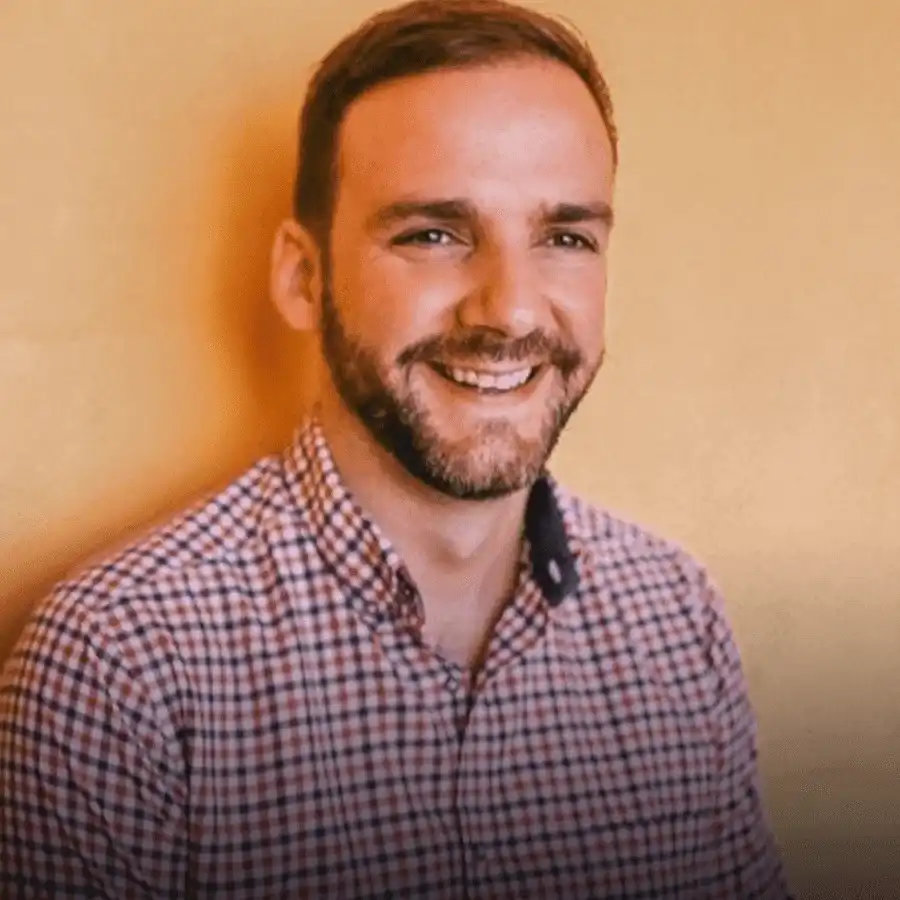
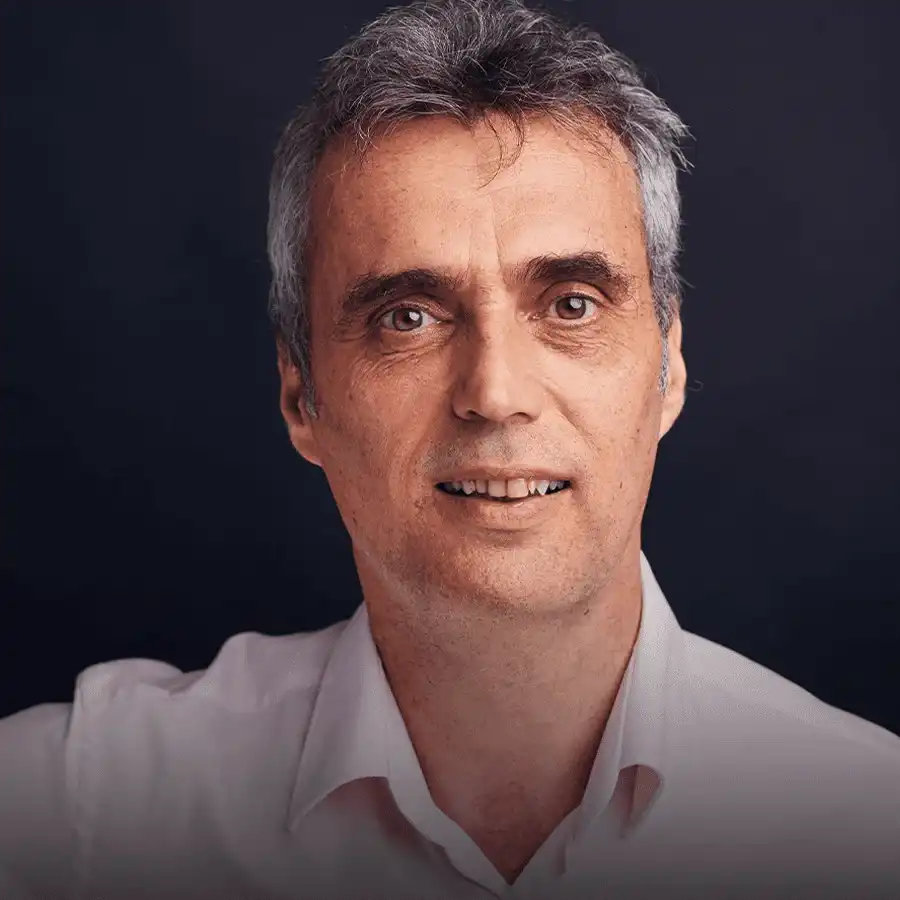
Raul Aparici is a London based speaker, coach and facilitator. He is the Head of Faculty at The School of Life, a global organisation teaching people how to lead calmer and more resilient lives. He is a faculty member on the Masters in Coaching Psychology at Birkbeck College, University of London and works with organisations helping teams become more self-aware and emotionally intelligent. With a diverse background in academia, critical theory, fitness, management and consulting, he is driven by curiosity and a desire to help others make the most out of their current situation. There is no substitute for experience.
All sessions by Raul →The way we work has changed. In this highly interactive session, we will explore how coaching can help you thrive in this new world by improving the quality of your conversations, making it easier for you to support yourselves and those you work with, and developing the courage to be vulnerable.
You will learn about:- The three human 'pain points' and how to navigate these;- The 'something more' in human interactions;- How to enter into any conversation with a 'coaching attitude'; - Some great coaching questions to get you started.
During the expert session, Raul Aparici, a coach and facilitator, engages the audience through interactive exercises using the Mentimeter app, thought-provoking questions, and self-reflection activities. Raul shares insights on building a coaching culture, including the significance of emotional intelligence, active listening, and psychological safety in coaching conversations.
The audience is encouraged to reflect on their own experiences and practices while learning from Raul's expertise.
Reflecting on our current state of mind is crucial for effective coaching interactions. Building a coaching culture involves being present and fully engaged in every conversation to achieve better outcomes.
Investing emotionally in others can lead to personal growth, improved collaboration, and a positive work environment. Coaching conversations built on strong relationships are essential for effective communication and resolving interpersonal conflicts.
When dealing with conflicts, it's important to consider all contributing factors and focus on active listening and open questioning to explore underlying emotions and motivations. Creating psychologically safe work environments where individuals feel free to express themselves openly fosters trust, empathy, and authenticity.
In this expert session, Raul Aparici, a renowned coach, facilitator, program director for coaching psychology at Burbeck University of London, and psychotherapist, delves into the topic of building a coaching culture.
Raul explains that as a coach, his role is to facilitate self-discovery rather than dictating solutions. He invites participants to reflect on what a coaching culture would mean for them and shares the significance of being fully present in every conversation for achieving optimal outcomes.
Raul emphasizes the importance of self-awareness and encourages participants to share their current state of mind.
Raul discusses how context plays a critical role in shaping our behavior and emphasizes that coaching can be applied to various aspects of life. He encourages participants to respond differently when encountering common challenges, such as workload and unmet expectations, by being present, listening attentively, and seeking to understand rather than reacting impulsively.
Raul shares insights into the history of coaching, from ancient friendships to modern-day psychotherapy and sports coaching, ultimately explaining that workplace coaching is about providing individuals with space to develop and bringing their best selves to work daily.
Raul emphasizes the importance of building strong relationships at work and in life as they contribute significantly to personal growth and better collaboration. When individuals struggle to connect with colleagues or bosses, it can negatively impact their work performance.
He shares that coach-like conversations are essential for resolving conflicts and maintaining emotional wellbeing.
Aparici introduces the International Coaching Federation's definition of coaching as a partnership for facilitating creative processes, emphasizing its non-directive nature. He explains the distinctions between coaching and mentoring, managing, therapy, and training and invites participants to ponder their theoretical perspectives on human experiences.
He emphasizes the importance of active listening, being present in conversations, and asking open questions for effective communication and conflict resolution. He also introduces the concept of psychological safety in coaching conversations, highlighting its significance in creating an environment where individuals feel safe to express themselves freely.
Raul concludes by encouraging participants to adopt a coaching attitude and conversation skills for more effective communication in all aspects of life. He emphasizes the importance of self-compassion, openness, active listening, and curiosity as essential skills for internalizing a coaching culture.
From the survey every participant gets when the session ends, in their own words.
I really enjoyed the pace, the anonymized Menti interaction... not just a lecture, but looked really a friendly non-judgemental talk filled with very good intel!
Where to focus and act different at the challanges to come. Both persons or team are willing otherwise coaching will be difficult!. Thanks
Raul is very charismatic, tons of energy i really enjoyed the presentation - thank you !!!
To be there for others and listen to them :) thanks for the lecture :)
I really liked ... good examples and approach.
Great content in such a short time, good focus on the main aspects of coaching.
No prior knowledge is assumed. It is built for a general working audience, and people who already know the subject get the research and the practical side rather than an introduction. What the hour itself covers: The way we work has changed. In this highly interactive session, we will explore how coaching can help you thrive in this new world by improving the quality of your conversations, making it easier for you to support yourselves and those you work with, and developing the courage to be vulnerable.
Raul Aparici is one of the experts we auditioned ourselves, and we produce every session so we see how each one lands. Participants rate this session 4.1 out of 5, across 53 responses, and rate Raul personally 4.3 out of 5.
It is interactive, and the block higher up on this page says exactly how for this session. Nobody has to speak up who does not want to: the chat and the polls carry most of it, and the questions can come in anonymously.
It runs 45 min / 15 min: the talk, then live questions. All you do is pick a date. We brief Raul, produce the session, host and moderate it, run the Q&A, and send you the report within an hour of the end.
A team, a department, an employee network or every single employee at once, with no cap and no per-seat price. It runs inside your own Microsoft Teams, Zoom or Google Meet, or on a branded page we build. No integration, no login, no company device or e-mail.
The session is delivered in English. You can add high accuracy live subtitles in 8, 16 or 24 languages, so everyone follows in their own. That is a paid option, priced by the number of languages you need.
No, and that is by design. There is nothing to install, nothing to integrate and no connection to your systems, so there is nothing for IT to validate: we join your own Teams, Zoom or Meet as a guest speaker, or we host a page and your people open a link. No software, no accounts, and no data of yours that we can reach. It is why hundreds of companies, among them some of the largest technology and financial firms in the world, were able to start within a day.
We never receive or hold personal data about your employees. Because the session runs in your own environment, attendance and identity stay with you, and what we report back is aggregated: numbers, ratings and survey answers, not people. That is also why IT approval usually takes minutes rather than weeks.
You keep the recording and can share it internally. You also get attendance over time, participant ratings for the content and the speaker, the survey answers, and the topics your people asked for next.
"People will forget what you said... but people will never forget how you made them feel," - Maya Angelou This hands-on workshop…
Psychological Safety is a well documented driver of high performance in teams and organisations.
How do successful people, teams, and organisations become even more successful?
- Session available on-site only - Sometimes, the way we approach a problem becomes the problem itself, but we may not be aware…

In a world of uncertainty, we cannot always control all the bad things that happen to us, but we can control the way that we…

At this point, the integration of AI in the workplace seems inevitable as many professionals are using it daily.