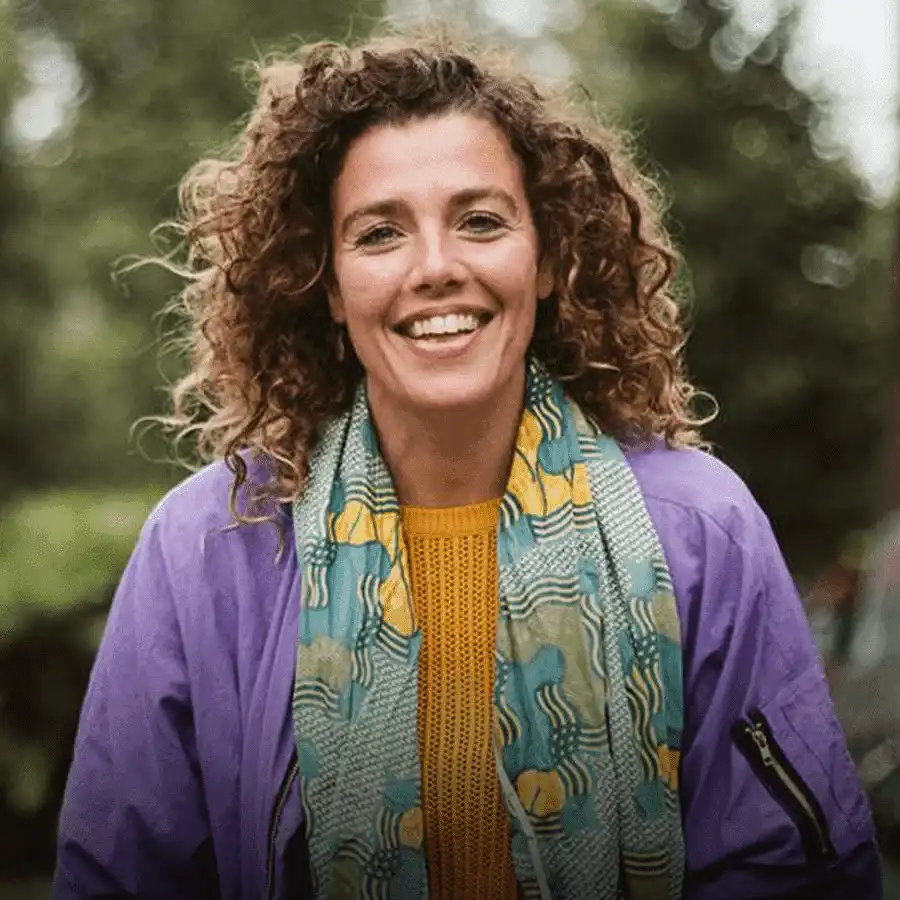
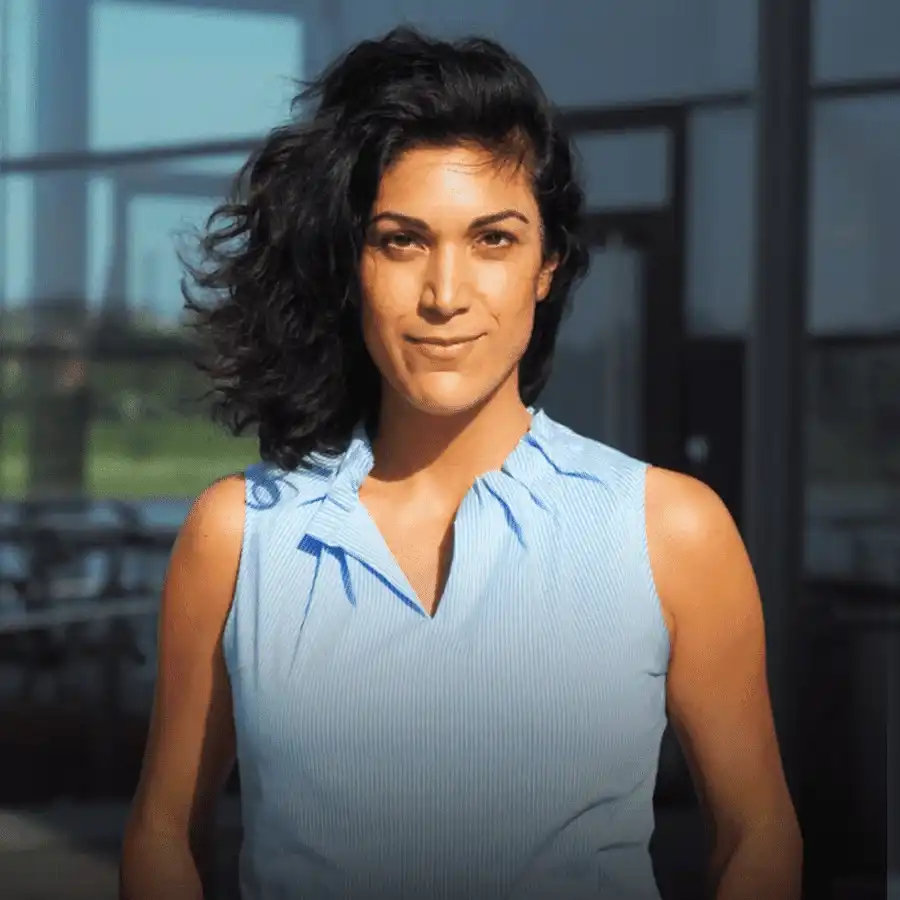
Nina Blussé is a social psychologist/trainer. She worked as a manager of IMC Weekendschool in Amsterdam and was co-developer and senior lecturer of the Applied Psychology program at the Amsterdam University of Applied Sciences. As an experienced trainer, Nina gives training courses in which she translates social-psychological theory into practice. For example, Nina trains management and teaching teams of schools in more effective collaboration and trains them on specific themes such as conflict, leadership and teamwork. She knows how to harness the power of the group.
All sessions by Nina →Your brain links images to existing information in your brain. It does this to create order in the world around you. However, this categorization is often rather simplistic. There is no checking - does that actually apply to this image? - or nuance.
During a session unconscious bias by Nina Blussé, you will learn why every person stereotypes to survive and how you can somewhat contain the effects of these prejudices.
Nina suggests reconsidering practices that favor some individuals over others and considering alternative structures for meetings and collaborations. She acknowledges the discomfort that may arise when discussing sensitive topics but emphasizes the value of facing this discomfort as it can lead to valuable insights and growth.
Nina also emphasizes the role of empathy and open communication in breaking down prejudices and biases.
To engage the audience, Nina uses the Mentimeter app for real-time polling and asking questions. She also emphasizes the importance of acknowledging and addressing implicit associations and encourages reflection on who we include and exclude.
Overall, Nina's message reinforces the importance of empathy, understanding, and embracing diversity in all its forms as a means to create a more inclusive and equitable workplace.
This session emphasizes the importance of creating an inclusive environment in organizations where all identities are valued and represented. This involves addressing unconscious biases and assumptions through introspection, education, and open communication.
The session also suggested practical steps for individuals, such as actively seeking out new perspectives and engaging with diverse communities. Additionally, organizational practices were discussed to ensure equal opportunities and representation for all employees.
Nina Blussé discusses the importance of diversity and inclusion in organizations, particularly focusing on creating an inclusive environment for all identities. The speaker highlights the need to look inward at our own biases, be open to new perspectives, and actively seek out and include diverse voices in teams and workplaces.
Nina also touched upon the concepts of exclusivity, separation, assimilation, and inclusion, emphasizing the importance of valuing everyone's unique identities and perspectives. Practical steps for individuals include analyzing unconscious biases, seeking out new perspectives, and being open-minded in everyday interactions.
Nina also encourages self-reflection and introspection to identify implicit biases and takes a holistic approach by emphasizing the importance of addressing both conscious and unconscious exclusion. She encourages empathy, open communication, and adaptability as key components for creating an inclusive organizational culture.
Overall, the session underscores the value of embracing diversity in all its forms and the ongoing process of inclusion.
From the survey every participant gets when the session ends, in their own words.
It was a very inspirational session with good, understandable examples. Thank you very much for organizing this.
It was very eye opening thank you, there is a lot to think about
Thank you for making this session very practical, it was not a lecture, we had the opportunity to think all along, which is something I really wanted to have.
Very well organised session, very practical topic and effective delivery. Loved it.
Thank you so much for such an interesting and non judgemental session!
Thank you very much for the very good and interesting presentation.
Thank you for make me think about very interesting topic.
Very interesting and mind-opening session. Thank you!
No prior knowledge is assumed. It is built for a general working audience, and people who already know the subject get the research and the practical side rather than an introduction. What the hour itself covers: Your brain links images to existing information in your brain. It does this to create order in the world around you.
Nina Blussé is one of the experts we auditioned ourselves, and we produce every session so we see how each one lands. Participants rate this session 3.7 out of 5, across 75 responses, and rate Nina personally 4.0 out of 5.
It is interactive, and the block higher up on this page says exactly how for this session. Nobody has to speak up who does not want to: the chat and the polls carry most of it, and the questions can come in anonymously.
It runs 45 min / 15 min: the talk, then live questions. All you do is pick a date. We brief Nina, produce the session, host and moderate it, run the Q&A, and send you the report within an hour of the end.
A team, a department, an employee network or every single employee at once, with no cap and no per-seat price. It runs inside your own Microsoft Teams, Zoom or Google Meet, or on a branded page we build. No integration, no login, no company device or e-mail.
The session is delivered in Dutch/English. You can add high accuracy live subtitles in 8, 16 or 24 languages, so everyone follows in their own. That is a paid option, priced by the number of languages you need.
No, and that is by design. There is nothing to install, nothing to integrate and no connection to your systems, so there is nothing for IT to validate: we join your own Teams, Zoom or Meet as a guest speaker, or we host a page and your people open a link. No software, no accounts, and no data of yours that we can reach. It is why hundreds of companies, among them some of the largest technology and financial firms in the world, were able to start within a day.
We never receive or hold personal data about your employees. Because the session runs in your own environment, attendance and identity stay with you, and what we report back is aggregated: numbers, ratings and survey answers, not people. That is also why IT approval usually takes minutes rather than weeks.
You keep the recording and can share it internally. You also get attendance over time, participant ratings for the content and the speaker, the survey answers, and the topics your people asked for next.

Psychological Safety is a well documented driver of high performance in teams and organisations.
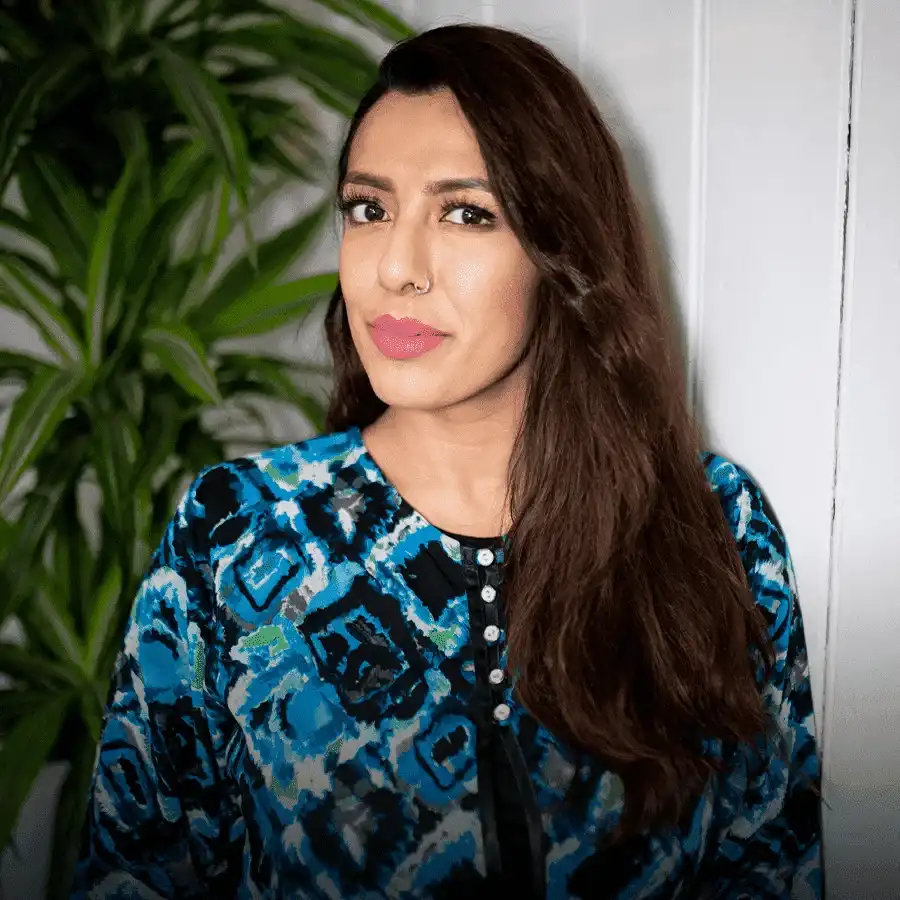
Ramadan and Eid are deeply significant periods in the Islamic calendar, marked by fasting, prayer, and community celebrations.
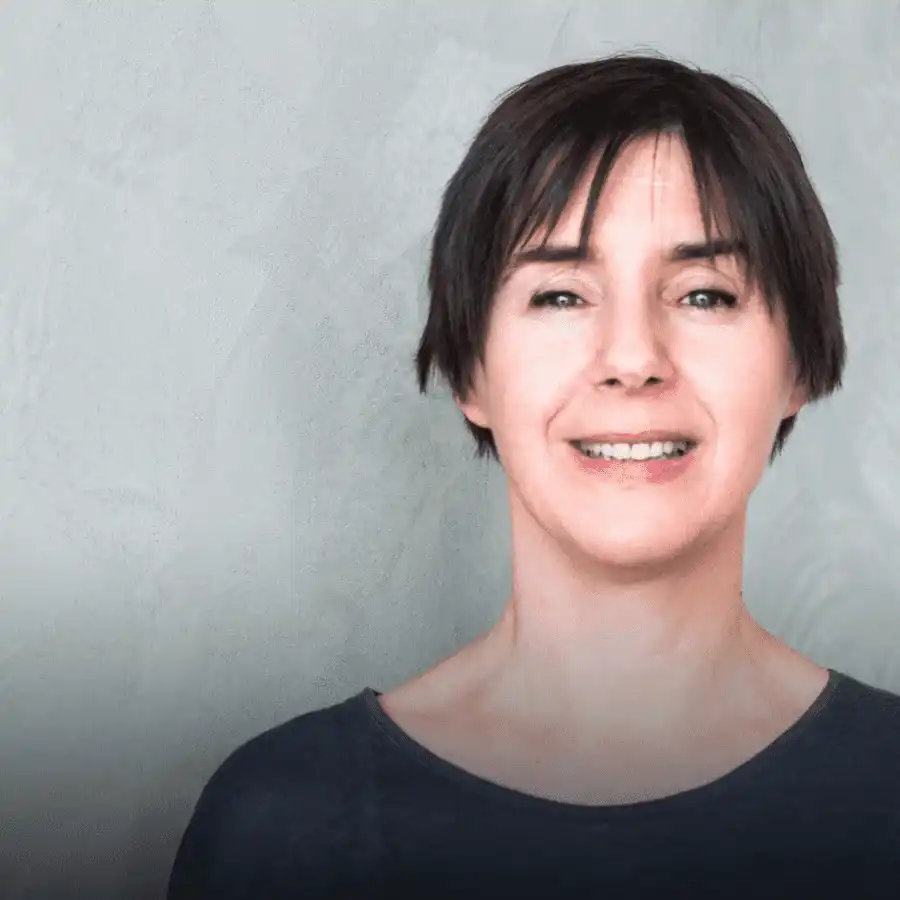
The topic of culture can sometimes seem dry or theoretical, however in reality we all have a natural ability to connect with…
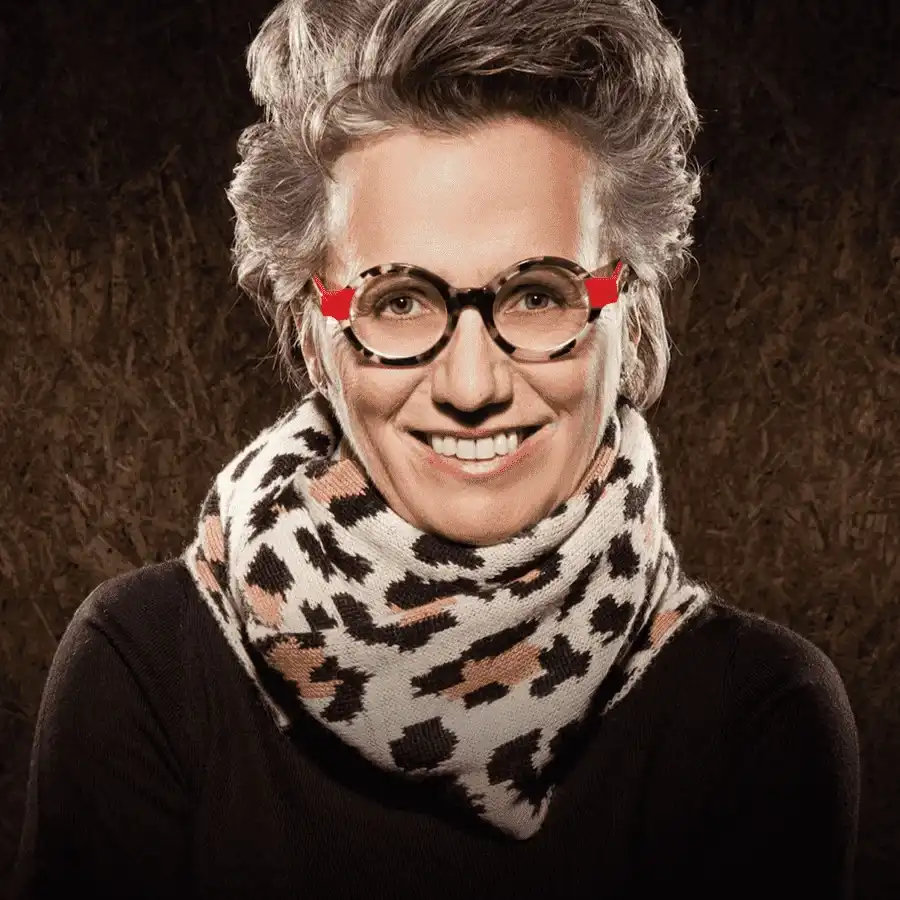
Female Leadership is in high demand in organizations but numbers show that often women are still not present at the tables of…
Skillful communication and warm connection are needed today more than ever before — whether that be in your professional or…

AI has the power to shape our world, and is increasingly becoming part of our daily lives - but what happens when it inherits…