Gen Z - How Are They Going To Change The World?
Jos Ahlers
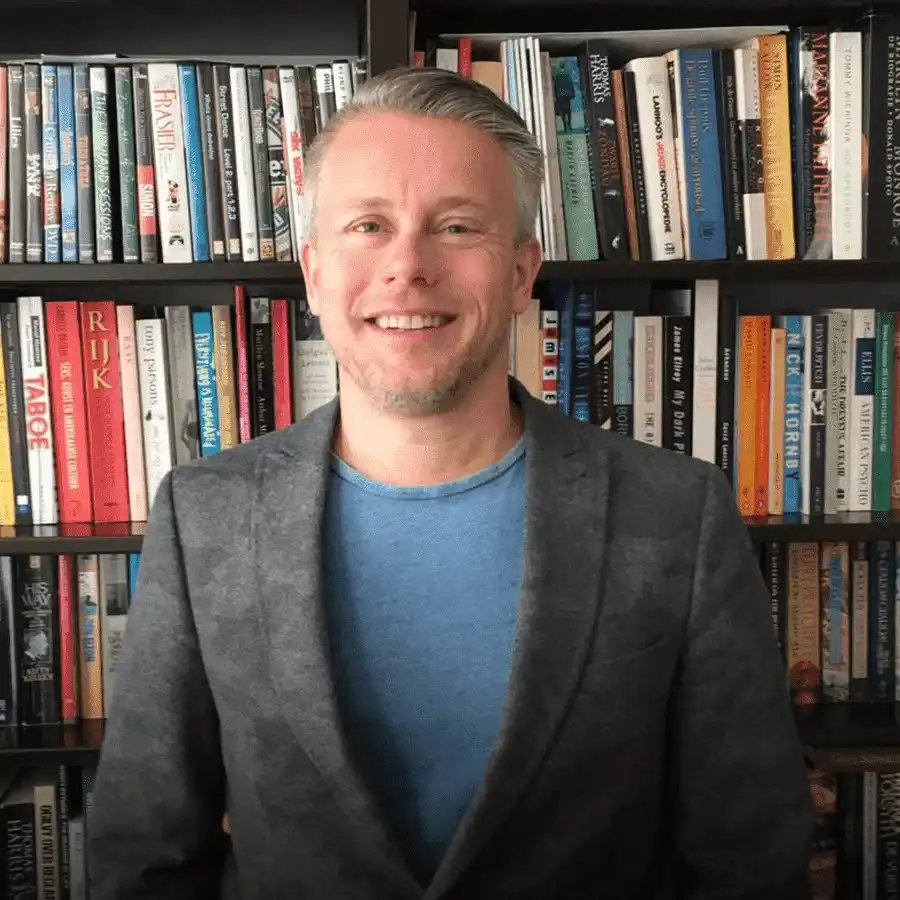
Generation Z (born between 1996 and 2012) is growing up. Most Z’s are still in school, although some members are gradually starting their professional life. In this leqture, Jos Ahlers discusses the rise of this unstoppable generation of networkers.
Based on extensive research, he provides insights into the attitudes and behaviour of this young digital generation. A generation that is always online, a generation for whom social media is not a discovery, but a necessity.
Who are they? What do they expect from life? How do they deal with authority and hierarchy? How do they relate to previous generations ? What barriers do they run into and what can we learn from them? With an entertaining and interactive session, Jos takes you into the world of Generation Z. It is a starting point for anyone who wants to connect with them.
During the expert session, Jos Ahlers discusses the impact of generations on work and society. He engages the audience with a Q&A session, live demonstrations using Mentimeter for interactive exercises, and sharing examples like Nike's transition from vertical to horizontal networking.
Jos emphasizes the importance of understanding each generation's unique characteristics and values for effective intergenerational communication and retaining talent. The session concludes with a call to embrace change, learn from one another, and complete a survey before ending.
Recognizing the unique characteristics and needs of different generations, such as Baby Boomers and Gen Z, is crucial for fostering effective communication and collaboration in the workplace.
Young professionals prioritize personal growth, learning from experienced colleagues, and entrepreneurship opportunities. Employers can leverage these insights to create a work environment that attracts and retains talent from all generations.
The fourth industrial revolution is transforming the way we work and live. By embracing change and learning from each other, Baby Boomers and Gen Z can benefit from intergenerational collaboration and create innovative solutions for societal challenges like climate change and equality.
In this expert session, Jos Ahlers delves into the concept of generations and how each cohort is shaped by unique experiences and societal trends. Ahlers emphasizes that Generation Z stands out as the first global generation due to their shared values and technological upbringing.
He explores various collective experiences, such as Baby Boomers' remembrance of the fight for democracy and witnessing the first man on the moon, Millennials' experience of the internet revolution, and Gen Z's clear memory of Donald Trump's presidency.
Ahlers discusses the characteristics and needs of different generations in greater detail. Baby Boomers, born post-World War II, are known for their fight for democracy and youth culture. Generation X grew up during economic crisis and high unemployment, resulting in a strong desire for security and safety.
Millennials, or Generation Y, were raised with the belief that they could achieve anything and had a favorable economy in their younger years.
Ahlers highlights how the fourth industrial revolution, characterized by technologies like AI, blockchain, big data, and 3D printing, is changing the way we work and live. Gen Z, born into this digital world, has a different perspective on organizing themselves due to their upbringing in social networks.
Ahlers argues that while vertical organizations with hierarchies remain prevalent, horizontal networking thinking is becoming increasingly popular, posing challenges for institutions trying to create loyalty among Gen Z. He emphasizes the importance of autonomy and individuality as major concerns for Gen Z, along with societal issues like climate change and equality.
Ahlers uses a Nike commercial as an example of companies adapting from a vertical pyramid perspective to a more horizontal networking approach. Young professionals value personal development and growth, and working with experienced colleagues is considered beneficial for learning and achievement.
They are particularly interested in soft skills and entrepreneurship opportunities and want to be part of projects rather than just holding jobs.
To retain young talent, employers can create an attractive work environment by listening to their needs, offering mentorship programs, and fostering a culture that values inspiration over motivation. Ahlers reminds us that it is essential to avoid making stereotypical assumptions about any generation based on age or other factors and instead focus on understanding the unique characteristics and needs of each individual.
From the survey every participant gets when the session ends, in their own words.
It was interesting to know what motivates gen z . Thank you for inspiring videos
It's interesting to know how generation Z thinks and behaves, and the fact that they are networkers, not loyal to the companies/brands Thanks for seminar
It was great! So insightful & loved the videos
I loved some of the quotes especially the intro - itwas very clever how every generation looks down on the next even 100s of years ago. I found the economic climate through generations very interesting. Loved the videos too!
Very factual session. Loved the information shared
Thank you so much for organizing this!
Thank you, very enlightening.
Top webinar ! Enorm compliment.
It is interactive, and the block above says exactly how for this session. Nobody has to speak up who does not want to: the chat and the polls carry most of it, and the questions can come in anonymously.
Generation Z (born between 1996 and 2012) is growing up. Most Z’s are still in school, although some members are gradually starting their professional life. It is built for a general working audience: no prior knowledge is assumed, and people who already know the subject get the research and the practical side rather than an introduction.
Jos Ahlers is one of the experts we auditioned ourselves, and we produce every session so we see how each one lands. Participants rate this session 4.1 out of 5, across 177 responses, and rate Jos personally 4.3 out of 5.
It runs 45 min / 15 min: the talk, then live questions. All you do is pick a date. We brief Jos, produce the session, host and moderate it, run the Q&A, and send you the report within an hour of the end.
A team, a department, an employee network or every single employee at once, with no cap and no per-seat price. It runs inside your own Microsoft Teams, Zoom or Google Meet, or on a branded page we build. No integration, no login, no company device or e-mail.
The session is delivered in English, Dutch. You can add high accuracy live subtitles in 8, 16 or 24 languages, so everyone follows in their own. That is a paid option, priced by the number of languages you need.
No, and that is by design. There is nothing to install, nothing to integrate and no connection to your systems, so there is nothing for IT to validate: we join your own Teams, Zoom or Meet as a guest speaker, or we host a page and your people open a link. No software, no accounts, and no data of yours that we can reach. It is why hundreds of companies, among them some of the largest technology and financial firms in the world, were able to start within a day.
We never receive or hold personal data about your employees. Because the session runs in your own environment, attendance and identity stay with you, and what we report back is aggregated: numbers, ratings and survey answers, not people. That is also why IT approval usually takes minutes rather than weeks.
You keep the recording and can share it internally. You also get attendance over time, participant ratings for the content and the speaker, the survey answers, and the topics your people asked for next.
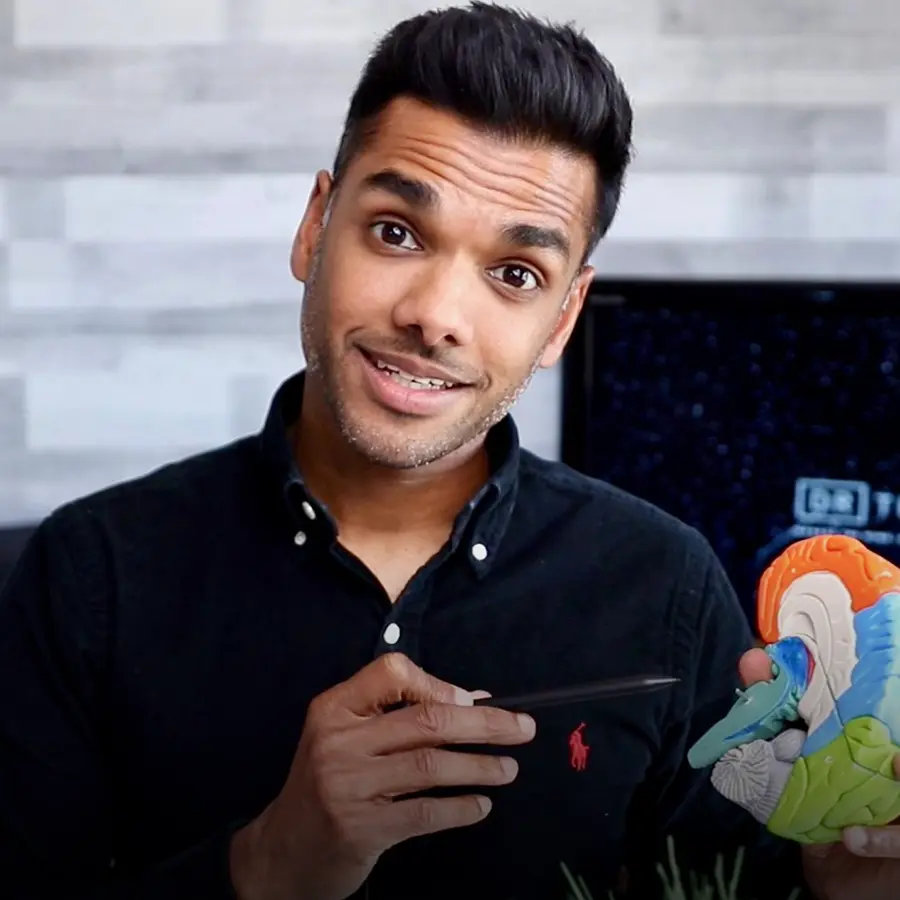
Psychological Safety is a well documented driver of high performance in teams and organisations.
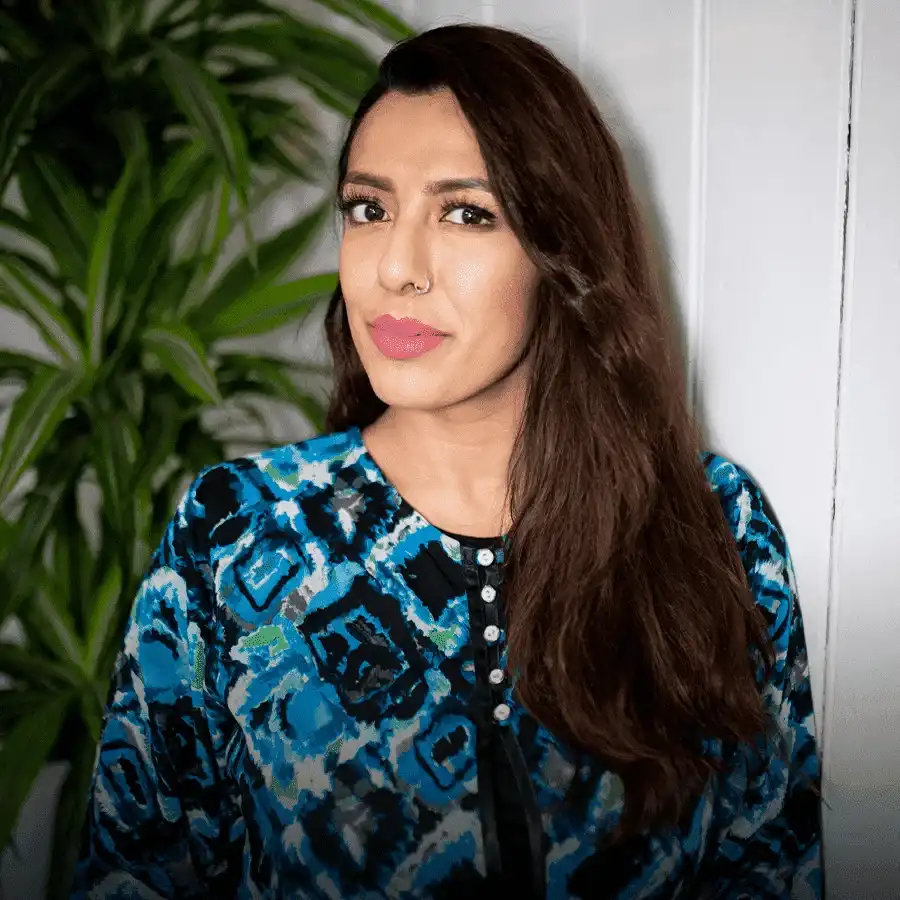
Ramadan and Eid are deeply significant periods in the Islamic calendar, marked by fasting, prayer, and community celebrations.
What does being an ‘Ally’ mean? From case studies to the Wheel of Power and Privilege, this interactive session will take you…
During Taz's session ‘inclusive thinking’ you’ll learn to understand the impact of unconscious bias.
Having white privilege and recognising it is not racist. But white privilege exists because of historic, enduring racism and…
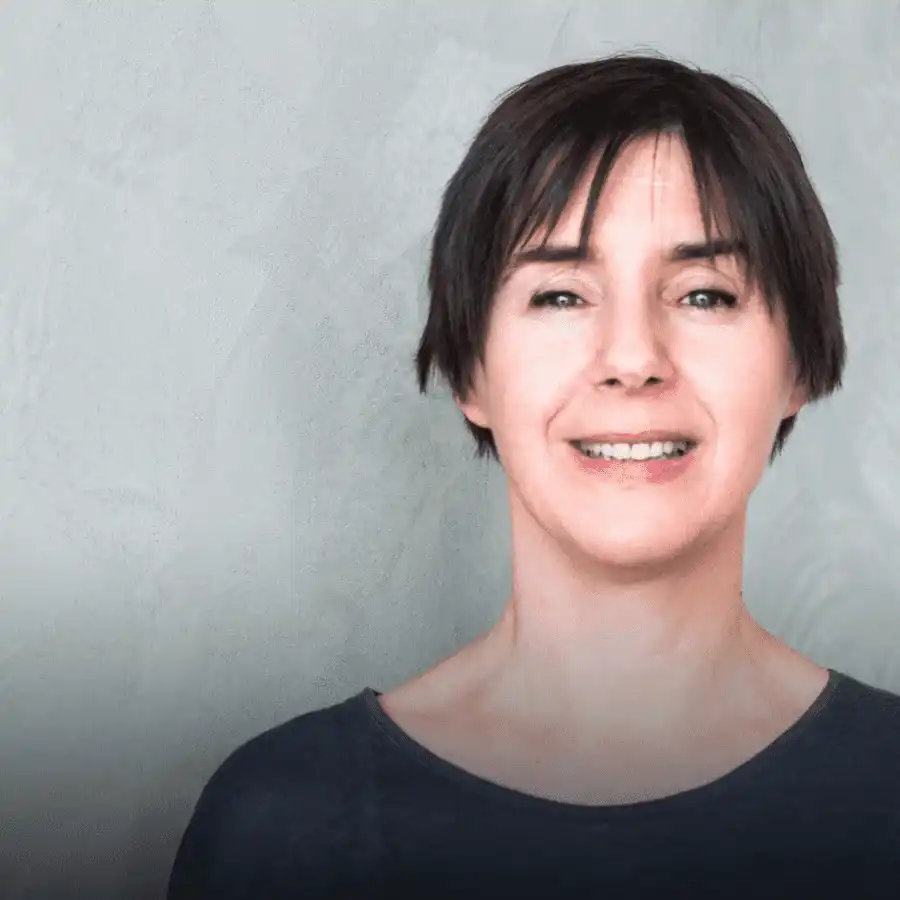
The topic of culture can sometimes seem dry or theoretical, however in reality we all have a natural ability to connect with…