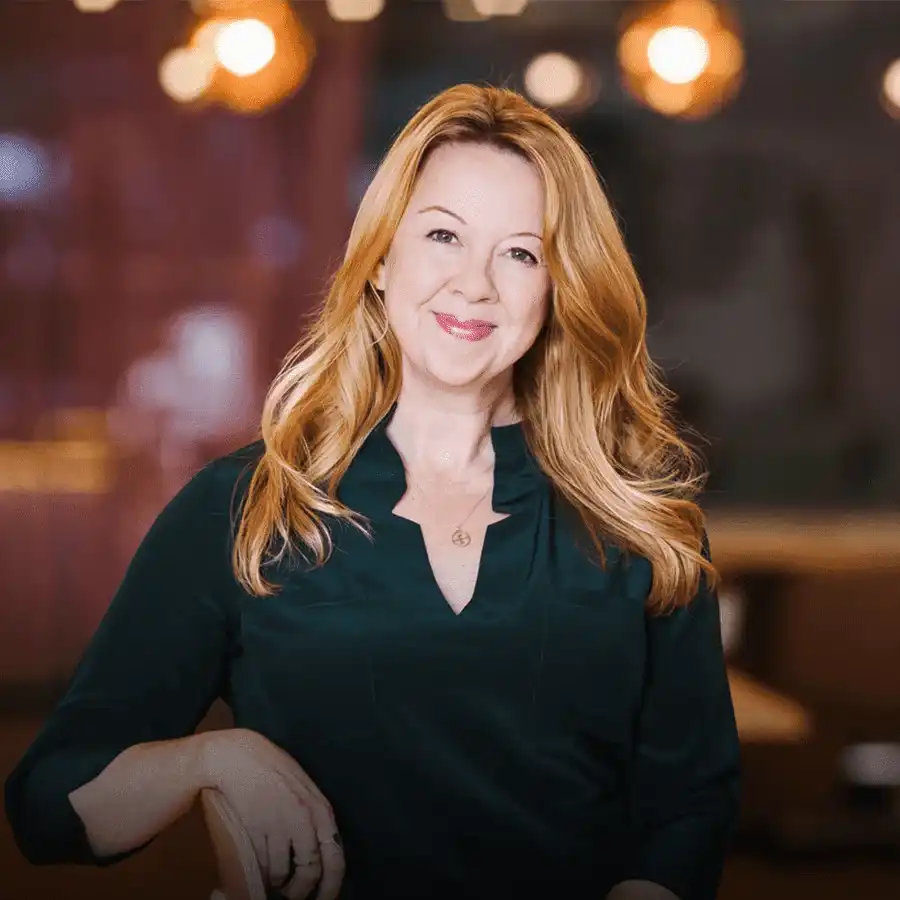
While Trust and Psychological Safety are definitely intertwined (and to a large extent one feeds the other), they are different concepts: think in terms of Trust being about “how much I believe others”, whereas Psychological Safety is about “how much slack I believe others will cut me”. In this truly eye-opening talk Elaine sets out how a culture of trust and psychological safety can be created in the workplace.
She uses an easy model that provides a framework and common language of the components of Trust. During this interactive session, you will learn how to self-evaluate (at the team and/or individual level) how trustworthy you appear to others and develop strategies to build Trust.
During the expert session, Elaine encourages active engagement through Q&A sessions, live demonstrations, and interactive exercises using the Mentimeter app. She discusses trust and psychological safety in the workplace, highlighting self-awareness, vulnerability, and open communication as essential aspects.
Participants reflect on their preferred leadership styles, share experiences, and assess their reliability, congruence, openness, and acceptance. Elaine emphasizes the importance of building trust for growth, innovation, and effective collaboration.
Understanding your own emotions and being open to sharing intentions, thoughts, and feelings with others is essential for creating a psychologically safe environment that encourages trust and effective communication.
Fostering psychological safety in the workplace requires adaptable leadership that builds trust, understands team dynamics, and values individual contributions. Consider your preferred leadership style and areas for improvement to create a culture where individuals feel heard and valued.
Reflect on past experiences where you felt unheard or overlooked and prioritize creating an environment where individuals feel safe enough to express their thoughts and ideas. Engage in open dialogue and collaboration to build stronger relationships and improve communication within your team or organization.
In this expert session, Emotional Intelligence and Diversity & Inclusivity specialist Elaine Broe leads an interactive lecture on trust and psychological safety in the workplace. Elaine begins by emphasizing the significance of emotional intelligence, particularly when working with diverse teams, and introduces the importance of self-awareness and managing emotions effectively to build trust.
Elaine then delves into trust dysfunctions and the need for vulnerability and open communication to create a psychologically safe environment that encourages conflict resolution and commitment. She highlights the significance of psychological safety in diversity & inclusion efforts, and how subtle behaviors can impact it.
Participants are encouraged to reflect on their own skills and areas of improvement in building trust with diverse teams throughout the session.
Elaine discusses various aspects of psychological safety, including its importance in creating a successful team or organization and the role of leadership in fostering psychological safety. She encourages active listening, acknowledging feelings, and creating an environment where individuals feel heard and valued.
Elaine also emphasizes being aware of unconscious biases that can influence interactions with others and advocates for slowing down, asking questions, and recognizing individual contributions.
Throughout the session, Elaine uses the Mentimeter app for interactive activities and polls to engage participants in discussions on preferred leadership styles and building trust. She emphasizes the importance of adaptability, building trust, and understanding team dynamics as essential elements of effective leadership.
Elaine also discusses receiving feedback and the challenges that come with it, especially during a 360-degree assessment or when it's the first time receiving such feedback. She models the behaviors expected for building trust effectively, emphasizing reliability, openness, and acceptance.
Elaine uses personal stories to illustrate the importance of vulnerability and sharing intentions, thoughts, and feelings with others, which can lead to stronger relationships and improved communication.
Elaine emphasizes the importance of ongoing effort and conversation to maintain trust and reiterates her availability for any questions or concerns. She encourages participants to ask questions, model desired behaviors, and accept that mistakes will occur as part of the trust-building process.
Trust is essential in various aspects of life, including personal relationships and work environments.
From the survey every participant gets when the session ends, in their own words.
Found it very distracting when Elaine spoke through the scoring exercise - please set the task and give a few mins of silence - I could not do this exercise with the talking. A lot of white text on light backgrounds But excellent content - thanks!!!
Thank you for the session, I like the duration of the session and how it was performed. Information was clarified and I find very useful the examples during the session.
Loved the interactive setup; so that you can discuss “real” examples.
Nice exercise on scoring self/home/work on each of the 4 options within trust. Quite interactive too, I do recommend this session and appreciate Elaine a lot for her way of digging in to this topic. Thanks a lot!
I enjoyed learning more about the four components of trust and the best ways to demonstrate them. In addition, I appreciated the post-workshop workbook to reflect on the topics discussed today.
These sessions encourage more self-monitoring. Trust is an important basis in private life, but also at work. Thank you for this information.
This is very unique and creative and productive session. not work relatively only but for myself too. Thanks for organizing this session!
I personally liked Elaine's style, the content of the presentation, the time she took to interact and also the pace. Thank you!
It is interactive, and the block above says exactly how for this session. Nobody has to speak up who does not want to: the chat and the polls carry most of it, and the questions can come in anonymously.
While Trust and Psychological Safety are definitely intertwined (and to a large extent one feeds the other), they are different concepts: think in terms of Trust being about “how much I believe others”, whereas Psychological Safety is about “how much slack I believe others will cut me”. In this truly eye-opening talk... It is built for a general working audience: no prior knowledge is assumed, and people who already know the subject get the research and the practical side rather than an introduction.
Elaine Broe is one of the experts we auditioned ourselves, and we produce every session so we see how each one lands. Participants rate this session 4.3 out of 5, across 60 responses, and rate Elaine personally 4.6 out of 5.
It runs 45 min / 15 min: the talk, then live questions. All you do is pick a date. We brief Elaine, produce the session, host and moderate it, run the Q&A, and send you the report within an hour of the end.
A team, a department, an employee network or every single employee at once, with no cap and no per-seat price. It runs inside your own Microsoft Teams, Zoom or Google Meet, or on a branded page we build. No integration, no login, no company device or e-mail.
The session is delivered in English. You can add high accuracy live subtitles in 8, 16 or 24 languages, so everyone follows in their own. That is a paid option, priced by the number of languages you need.
No, and that is by design. There is nothing to install, nothing to integrate and no connection to your systems, so there is nothing for IT to validate: we join your own Teams, Zoom or Meet as a guest speaker, or we host a page and your people open a link. No software, no accounts, and no data of yours that we can reach. It is why hundreds of companies, among them some of the largest technology and financial firms in the world, were able to start within a day.
We never receive or hold personal data about your employees. Because the session runs in your own environment, attendance and identity stay with you, and what we report back is aggregated: numbers, ratings and survey answers, not people. That is also why IT approval usually takes minutes rather than weeks.
You keep the recording and can share it internally. You also get attendance over time, participant ratings for the content and the speaker, the survey answers, and the topics your people asked for next.
Psychological Safety is a well documented driver of high performance in teams and organisations.

Ramadan and Eid are deeply significant periods in the Islamic calendar, marked by fasting, prayer, and community celebrations.
What does being an ‘Ally’ mean? From case studies to the Wheel of Power and Privilege, this interactive session will take you…
During Taz's session ‘inclusive thinking’ you’ll learn to understand the impact of unconscious bias.
Having white privilege and recognising it is not racist. But white privilege exists because of historic, enduring racism and…
The topic of culture can sometimes seem dry or theoretical, however in reality we all have a natural ability to connect with…