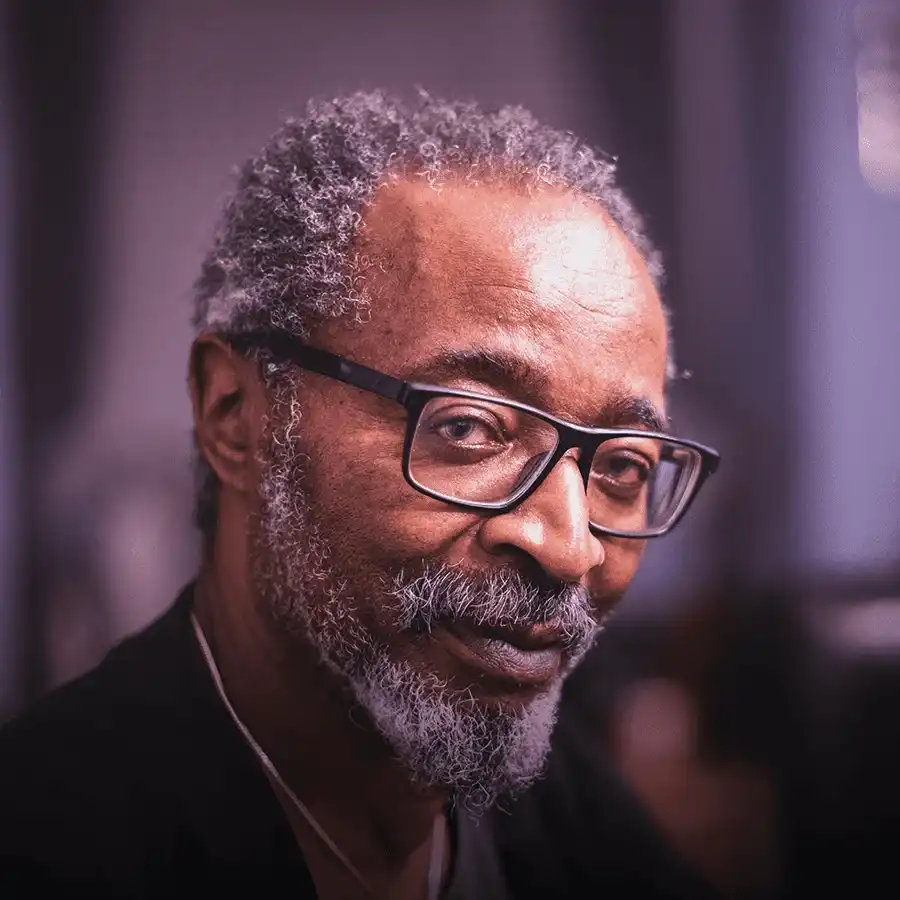
Don John has been working in the field of Race & Diversity for over 40 years having spent 10 years in HM Treasury in Whitehall. he then moved to Southampton as the director for the Southampton Council for Race Equality and he has been working on Race and Diversity in many different capacities.
All sessions by Don →This session will examine the history and rationale behind Black History Month and why it is an important marker of the Black presence nationally and internationally and the contributions made by Black people all over the world.
Don John will talk about his own personal history and background and how that has equipped him with the wherewithal to deploy Black History as a means of examining how Race and Racism have impacted Black and White communities and how some of that history has an impact on the here and now.
Don will also explore with the audience who should or could be involved in Black History Month and how definitions of “Blackness “can influence our thinking around the roles that different groups play. He will talk specifically about what can be done to recognise unappreciated factors in that history and what specific steps individuals and organisations can take to make a difference.
During the expert session, Don John engages the audience through methods like live Q&A sessions using the Mentimeter app and interactive polls, as well as sharing personal experiences and stories about the significance of recognizing Black History Month. These activities inspire deeper reflection on the importance of understanding black history in our society and encourage active participation from all attendees.
Gain a deeper understanding of why recognizing and celebrating black history is essential in today's society. Learn about its origins in both the United States and the UK, and how it provides opportunities for formal recognition of black culture's importance.
Discover practical recommendations for individuals and organizations on how to promote diversity, equity, and inclusion in their communities. Explore resources such as books, films, documentaries, and engaging with live discussions through the Mentimeter app.
Understand the importance of recognizing and addressing systemic racism and inequality in our society. Learn how to take an active role in addressing negative language and prejudice and examining one's own practices to promote diversity and inclusion.
In this expert session, Don John, a renowned historian and consultant with extensive experience living and working within black communities in both London and Southampton, discusses the significance and importance of Black History Month. Don begins by sharing his personal experiences and insights into the unique challenges faced by individuals due to their racial identity, emphasizing the importance of recognizing and understanding the true contributions of black people throughout history.
Black History Month originated in the United States in 1926 as a means to celebrate and recognize the historic accomplishments of black people. In the UK, it was initiated in 1987 under the influence of American celebrations and for symbolic and practical reasons.
Don explains that October was chosen due to its significance as a time for reconnecting with black peoples' roots and providing an early opportunity for students to learn about black history.
Don emphasizes the importance of acknowledging and celebrating Black History Month, which offers an opportunity for formal recognition of black culture's importance in UK society. He discusses historical significant figures, inventions, and contributions that often go unacknowledged and addresses contemporary issues like racial profiling, stop-and-search practices, school exclusions, and self-esteem.
Throughout the session, Don encourages participants to engage in discussions using the Mentimeter app, which facilitates live interaction and keeps the audience engaged during the presentation. He shares personal stories about his grandson's awareness of racism and the importance of teaching children about it at an early age.
The expert session concludes with Don discussing the significance of the Black Lives Matter movement and its impact on contemporary culture.
Don emphasizes that everyone should be involved in acknowledging and understanding black history as it is intertwined with white history, and the transatlantic slave trade being a significant aspect of both. He encourages individuals to reflect on their relationship with black history and consider how it intersects with their own backgrounds and experiences.
Don provides practical recommendations for individuals and organizations looking to promote diversity, equity, and inclusion in their communities. He suggests examining practices regarding technology and education to promote diversity and inclusion.
Don also recommends sharing positive information about black history and inventions within families and schools to help children grow up with a more diverse perspective.
When asked about the comparison between racism in the UK and America, Don acknowledges that both countries have their unique challenges but believes that America serves as an important reminder of what could happen if we do not take action against racial inequality. He encourages everyone to celebrate diverse ideas and people by declaring positive things about multiraciculture and diversity and actively seeking out black history in their own communities.
No prior knowledge is assumed. It is built for a general working audience, and people who already know the subject get the research and the practical side rather than an introduction. What the hour itself covers: This session will examine the history and rationale behind Black History Month and why it is an important marker of the Black presence nationally and internationally and the contributions made by Black people all over the world. Don John will talk about his own personal history and background and how that has equipped...
Don John is one of the experts we auditioned ourselves, and we produce every session so we see how each one lands. Participants rate this session 4.4 out of 5, across 11 responses, and rate Don personally 4.4 out of 5.
It is interactive, and the block higher up on this page says exactly how for this session. Nobody has to speak up who does not want to: the chat and the polls carry most of it, and the questions can come in anonymously.
It runs 45 min / 15 min: the talk, then live questions. All you do is pick a date. We brief Don, produce the session, host and moderate it, run the Q&A, and send you the report within an hour of the end.
A team, a department, an employee network or every single employee at once, with no cap and no per-seat price. It runs inside your own Microsoft Teams, Zoom or Google Meet, or on a branded page we build. No integration, no login, no company device or e-mail.
The session is delivered in English. You can add high accuracy live subtitles in 8, 16 or 24 languages, so everyone follows in their own. That is a paid option, priced by the number of languages you need.
No, and that is by design. There is nothing to install, nothing to integrate and no connection to your systems, so there is nothing for IT to validate: we join your own Teams, Zoom or Meet as a guest speaker, or we host a page and your people open a link. No software, no accounts, and no data of yours that we can reach. It is why hundreds of companies, among them some of the largest technology and financial firms in the world, were able to start within a day.
We never receive or hold personal data about your employees. Because the session runs in your own environment, attendance and identity stay with you, and what we report back is aggregated: numbers, ratings and survey answers, not people. That is also why IT approval usually takes minutes rather than weeks.
You keep the recording and can share it internally. You also get attendance over time, participant ratings for the content and the speaker, the survey answers, and the topics your people asked for next.

Psychological Safety is a well documented driver of high performance in teams and organisations.

Ramadan and Eid are deeply significant periods in the Islamic calendar, marked by fasting, prayer, and community celebrations.

The topic of culture can sometimes seem dry or theoretical, however in reality we all have a natural ability to connect with…

Female Leadership is in high demand in organizations but numbers show that often women are still not present at the tables of…

Skillful communication and warm connection are needed today more than ever before — whether that be in your professional or…

AI has the power to shape our world, and is increasingly becoming part of our daily lives - but what happens when it inherits…