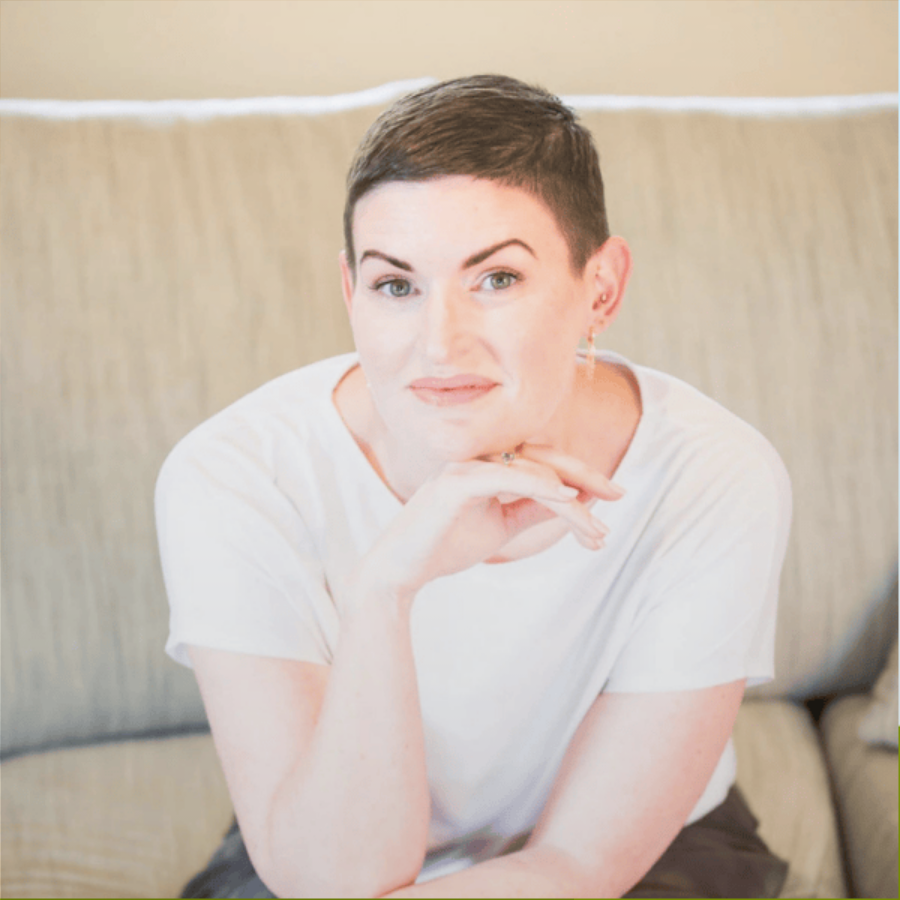
In this session, Martha Martha Barnard Rae highlights the value of recognizing and supporting neurodivergent individuals in the workplace. She explains that signs like trouble with focus, organization, or social cues may suggest neurodivergence but they don’t define a person’s ability or worth.
Martha emphasizes that neurodivergent people, who make up around 15% of the population, bring unique strengths and perspectives. She urges employers to challenge biases, avoid stereotypes, and promote inclusion through understanding and open communication.
Creating a more inclusive workplace not only supports neurodivergent employees but also drives innovation, productivity, and overall success.
During the expert session, Martha Barnard Rae engages the audience through methods such as leading a discussion on supporting neurodivergent individuals in the workforce and using interactive exercises with the Mentimeter app to reflect on personal biases.
Understanding the signs of neurodivergence, such as difficulties with attention and focus, organization, and social situations, is crucial for creating an accepting and inclusive work environment.
Educating oneself about neurodivergence through resources like "DHD 2.0" and open communication with colleagues can lead to a more supportive and productive workplace for neurodivergent individuals.
Addressing unconscious biases and fostering creativity are essential steps toward creating a more inclusive workplace that values the unique strengths of all employees, including those who are neurodivergent.
In this expert session, Martha Barnard Rae sheds light on the topic of neurodivergency in the workplace. She begins by discussing some potential signs that may indicate an individual is neurodivergent, such as difficulties with sustained attention, organization, and interpreting social cues, among others.
These indicators are not definitive, but they suggest the need for further investigation. Martha stresses that being neurodivergent does not make someone less capable or valuable as an employee. In fact, neurodivergent individuals make up approximately 15% of the population, and their unique abilities and perspectives offer invaluable assets in various aspects of life.
Martha also discusses the importance of self-reflection and addressing personal biases when it comes to hiring and promoting neurodivergent professionals. She encourages employers to be aware of common misconceptions regarding neurodivergence, such as assuming all neurodivergent individuals are the same or that they lack creativity.
By understanding the unique traits and needs of neurodivergent employees, organizations can foster a more inclusive, safe, and productive workplace.
It is interactive, and the block above says exactly how for this session. Nobody has to speak up who does not want to: the chat and the polls carry most of it, and the questions can come in anonymously.
In this session, Martha Martha Barnard Rae highlights the value of recognizing and supporting neurodivergent individuals in the workplace. She explains that signs like trouble with focus, organization, or social cues may suggest neurodivergence but they don’t define a person’s ability or worth. It is built for a general working audience: no prior knowledge is assumed, and people who already know the subject get the research and the practical side rather than an introduction.
It runs 45 min / 15 min: the talk, then live questions. All you do is pick a date. We brief Martha, produce the session, host and moderate it, run the Q&A, and send you the report within an hour of the end.
A team, a department, an employee network or every single employee at once, with no cap and no per-seat price. It runs inside your own Microsoft Teams, Zoom or Google Meet, or on a branded page we build. No integration, no login, no company device or e-mail.
The session is delivered in English. You can add high accuracy live subtitles in 8, 16 or 24 languages, so everyone follows in their own. That is a paid option, priced by the number of languages you need.
No, and that is by design. There is nothing to install, nothing to integrate and no connection to your systems, so there is nothing for IT to validate: we join your own Teams, Zoom or Meet as a guest speaker, or we host a page and your people open a link. No software, no accounts, and no data of yours that we can reach. It is why hundreds of companies, among them some of the largest technology and financial firms in the world, were able to start within a day.
We never receive or hold personal data about your employees. Because the session runs in your own environment, attendance and identity stay with you, and what we report back is aggregated: numbers, ratings and survey answers, not people. That is also why IT approval usually takes minutes rather than weeks.
You keep the recording and can share it internally. You also get attendance over time, participant ratings for the content and the speaker, the survey answers, and the topics your people asked for next.
In this session, Martha who has both ADHD and autism, shares her personal experiences and highlights the challenges…
In this session, Martha shares practical advice for neurodivergent employees, especially those with ADHD.

Psychological Safety is a well documented driver of high performance in teams and organisations.
Ramadan and Eid are deeply significant periods in the Islamic calendar, marked by fasting, prayer, and community celebrations.
What does being an ‘Ally’ mean? From case studies to the Wheel of Power and Privilege, this interactive session will take you…
During Taz's session ‘inclusive thinking’ you’ll learn to understand the impact of unconscious bias.
Having white privilege and recognising it is not racist. But white privilege exists because of historic, enduring racism and…
The topic of culture can sometimes seem dry or theoretical, however in reality we all have a natural ability to connect with…