Allyship: Discussing Power and Privilege
Janeen Wilson
Book a demo →from €2,250 for your whole company
Book a demo →from €2,250 for your whole company
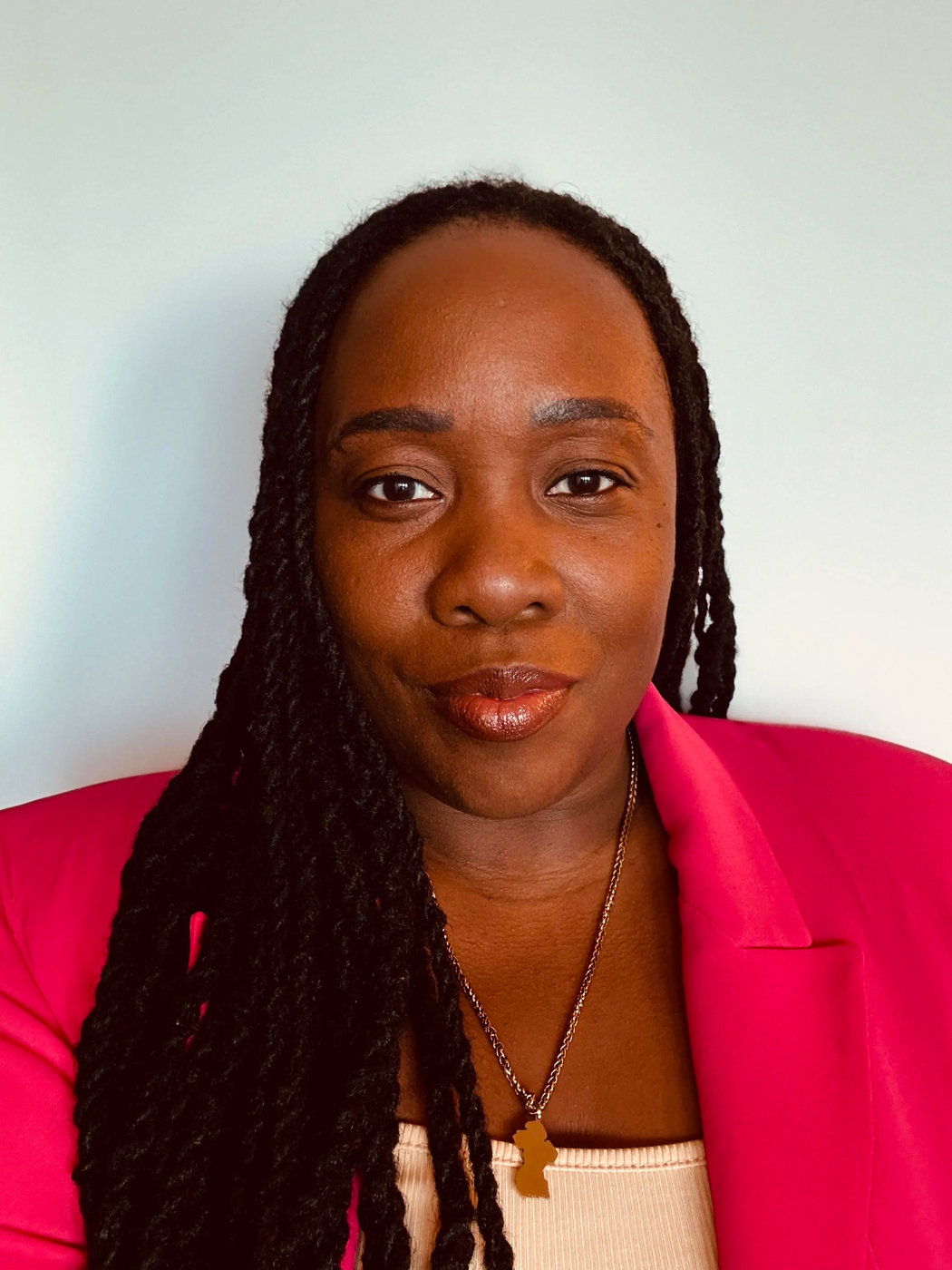
Janeen, Cognitive Behavioural Psychotherapist with 18 years of experience in creative and therapeutic fields for children and youth, passionately supports future generations. As a part-time Team Leader in the UK's Child and Adolescent Mental Health Services, she offers cognitive behavior and drama therapy for those with mental health challenges. Through her private practice, Creative Lotus, she advocates for emotional well-being.
All sessions by Janeen →In this expert session, Janeen Wilson discusses the importance of recognizing and addressing marginalization in society, highlighting how systematic exclusion and discrimination based on identity or characteristics prevent marginalized groups from fully participating in society. To foster inclusivity and equity, organizations can implement DEI initiatives, such as unconscious bias training and flexible work policies, while individuals can practice advocacy and allyship by amplifying marginalized voices and standing against discrimination.
Janeen introduces intersectionality to explain how overlapping identities can compound discrimination and encourages participants to reflect on their privileges, practice authentic allyship, and set actionable goals to support marginalized communities, promoting continuous reflection and dialogue for a more inclusive environment.
During the expert session, Janeen Wilson engages the audience in a thought-provoking discussion on marginalization and its interconnected systems of inequality. She encourages participants to reflect on their own privileges and identities, and become authentic allies through active support and advocacy for marginalized groups.
The interactive elements include Q&A sessions, live demonstrations using the Mentimeter app for reflection exercises, and practical examples of performative versus authentic allyship. These activities inspire attendees to create more inclusive workplaces and communities by setting SMART goals and forming accountability partnerships.
Understanding intersectionality, or the interconnected nature of various forms of discrimination, is essential for creating an inclusive workplace and society.
Being an ally means actively working to support marginalized groups without being a member yourself. This involves continuous support, using your platform to amplify voices, being honest and accountable, and accepting the risks inherent to standing up for others.
Acknowledging your own privileges and identities is crucial for understanding the experiences of marginalized individuals and acting as an effective ally. This requires ongoing self-reflection and a commitment to taking actionable steps towards creating a more inclusive workplace and society.
In this expert session, Janeen Wilson discusses the importance of recognizing and addressing marginalization in society. Marginalized groups are individuals or communities who have been systematically excluded, oppressed, or discriminated against based on their identity or other characteristics.
These groups often face unique challenges that prevent them from fully participating in society and enjoying the same opportunities as others. Janeen highlights how certain groups are pushed to the outskirts, lacking power and privilege based on various factors such as race, gender, sexuality, socioeconomic status, disability, and more.
To create a more inclusive and equitable workplace and society, organizations can implement diversity, equity, and inclusion (DEI) initiatives. DEI efforts aim to create a workplace where everyone feels valued and respected, regardless of their identity or other characteristics.
These initiatives can include unconscious bias training, mentoring programs for underrepresented groups, and policies that promote flexible work arrangements to accommodate the needs of employees with disabilities or caregiving responsibilities.
Another way to support marginalized groups is through advocacy and allyship. Being an ally means using your privilege and power to amplify the voices of marginalized individuals and communities and standing up against discrimination and oppression.
This can involve speaking out against hate speech and discriminatory policies, supporting organizations that advocate for marginalized groups, and educating yourself and others about the experiences and needs of these communities.
Intersectionality is introduced as a concept that acknowledges these interconnected systems of inequality. Janeen explains how multiple marginalized identities can compound discrimination and emphasizes the need for awareness of one's own privileges and identities to understand the experiences of marginalized individuals and act as allies.
Janeen encourages participants to reflect on their areas of privilege and take actionable steps to be authentic allies. She provides examples of performative versus authentic allyship, emphasizing the importance of continuous support, using one's platform to amplify voices, being honest and accountable, and accepting the risks inherent to standing up for marginalized individuals.
To conclude the session, Janeen encourages participants to identify ways they can show allyship in their daily lives and set smart goals with a specific, measurable, achievable, relevant, and time-bound approach. She suggests forming accountability partnerships to support each other's efforts and emphasizes the importance of reflection and open dialogue as essential components of fostering an inclusive environment within workplaces and communities.
No prior knowledge is assumed. It is built for a general working audience, and people who already know the subject get the research and the practical side rather than an introduction. What the hour itself covers: In this expert session, Janeen Wilson discusses the importance of recognizing and addressing marginalization in society, highlighting how systematic exclusion and discrimination based on identity or characteristics prevent marginalized groups from fully participating in society. To foster inclusivity and equity,...
Janeen Wilson is one of the experts we auditioned ourselves, and we produce every session so we see how each one lands. Participants rate this session 4.4 out of 5, across 10 responses, and rate Janeen personally 4.6 out of 5.
It is interactive, and the block higher up on this page says exactly how for this session. Nobody has to speak up who does not want to: the chat and the polls carry most of it, and the questions can come in anonymously.
It runs 45 min / 15 min: the talk, then live questions. All you do is pick a date. We brief Janeen, produce the session, host and moderate it, run the Q&A, and send you the report within an hour of the end.
A team, a department, an employee network or every single employee at once, with no cap and no per-seat price. It runs inside your own Microsoft Teams, Zoom or Google Meet, or on a branded page we build. No integration, no login, no company device or e-mail.
The session is delivered in English. You can add high accuracy live subtitles in 8, 16 or 24 languages, so everyone follows in their own. That is a paid option, priced by the number of languages you need.
No, and that is by design. There is nothing to install, nothing to integrate and no connection to your systems, so there is nothing for IT to validate: we join your own Teams, Zoom or Meet as a guest speaker, or we host a page and your people open a link. No software, no accounts, and no data of yours that we can reach. It is why hundreds of companies, among them some of the largest technology and financial firms in the world, were able to start within a day.
We never receive or hold personal data about your employees. Because the session runs in your own environment, attendance and identity stay with you, and what we report back is aggregated: numbers, ratings and survey answers, not people. That is also why IT approval usually takes minutes rather than weeks.
You keep the recording and can share it internally. You also get attendance over time, participant ratings for the content and the speaker, the survey answers, and the topics your people asked for next.

Psychological Safety is a well documented driver of high performance in teams and organisations.
Ramadan and Eid are deeply significant periods in the Islamic calendar, marked by fasting, prayer, and community celebrations.
The topic of culture can sometimes seem dry or theoretical, however in reality we all have a natural ability to connect with…

Female Leadership is in high demand in organizations but numbers show that often women are still not present at the tables of…
Skillful communication and warm connection are needed today more than ever before — whether that be in your professional or…

AI has the power to shape our world, and is increasingly becoming part of our daily lives - but what happens when it inherits…