The six sessions
- 1
Start with bias
The introduction, done properly: what bias is, and why knowing about it changes nothing on its own.
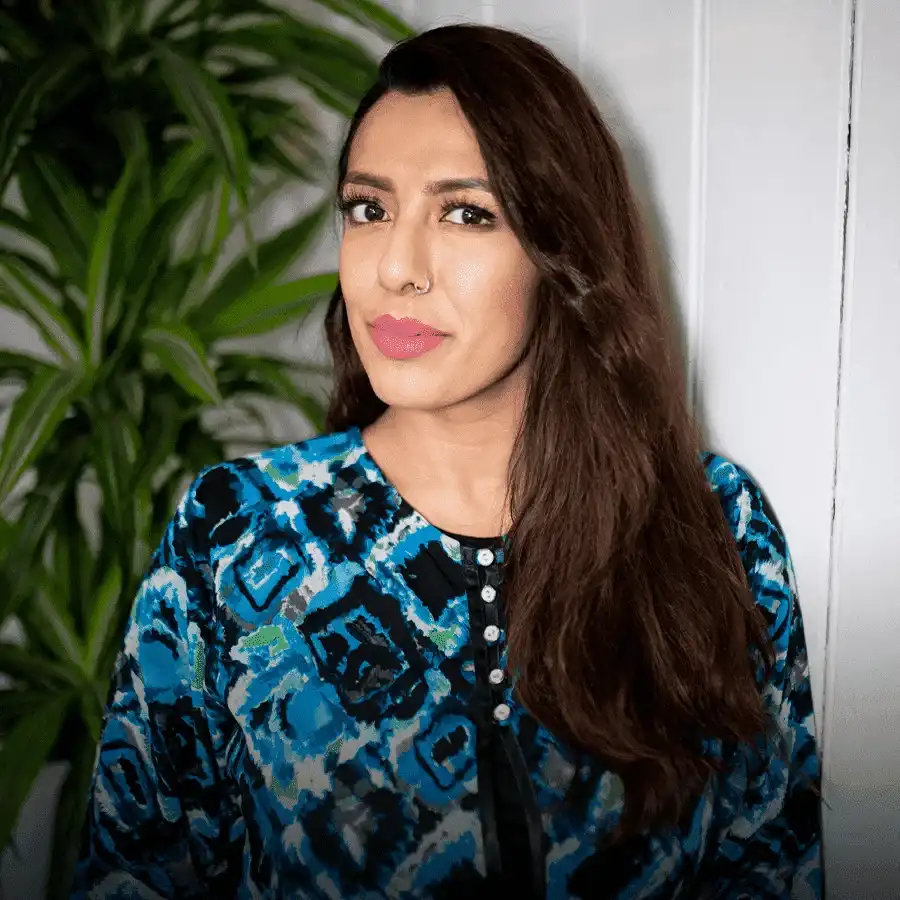 Unconscious BiasTaz Latif · 4.3 out of 5 from 671 participants
 - 2
What belonging really means
Beyond representation: whether people can do the job as themselves.
 What is ‘Belonging’ really?Roy Gluckman · 4.2 out of 5 from 208 participants
 - 3
Allyship, in practice
The moment in the meeting. What to say, and what it costs to say nothing.
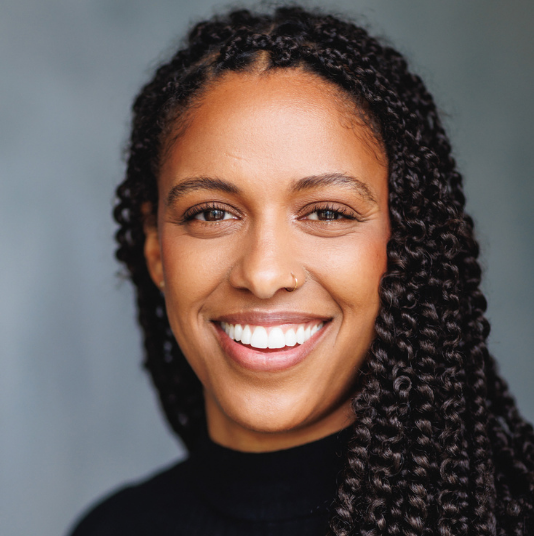 Building Inclusive Workplaces: Allyship for Disability and NeurodiversityTash Koster-Thomas · 4.5 out of 5 from 193 participants
 - 4
Lead across differences
For managers: the same message lands differently, and that is part of the job.
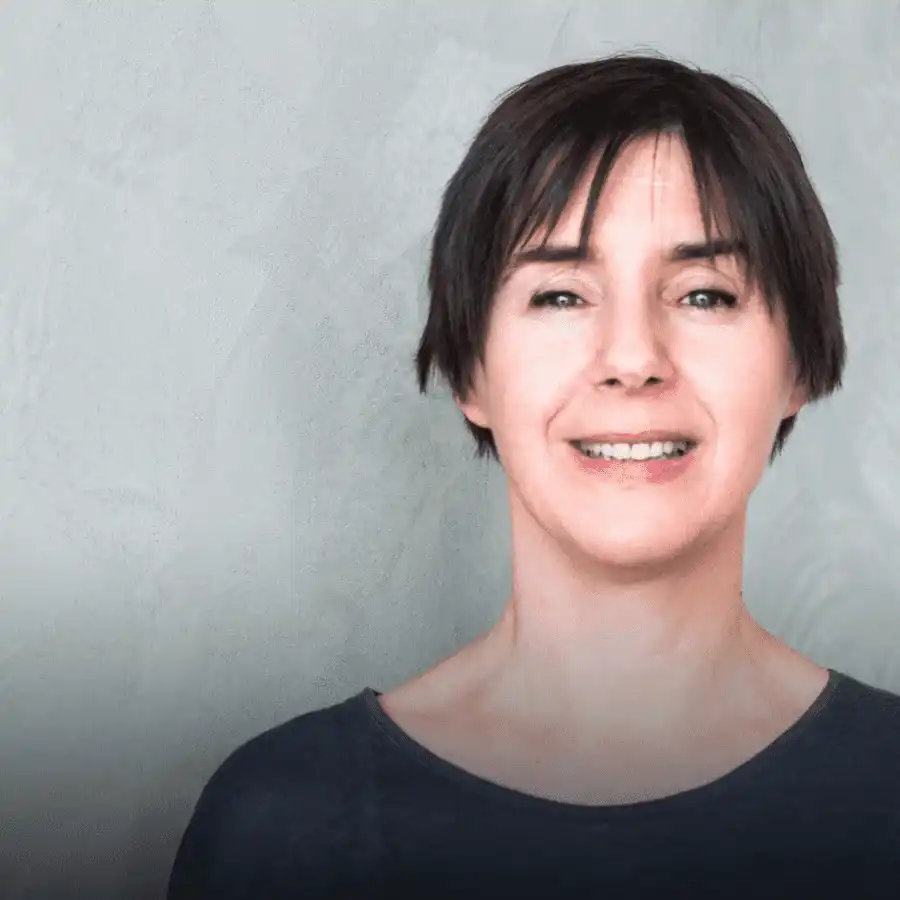 Developing Cultural AgilityAnne Parker · 4.4 out of 5 from 496 participants
 - 5
The colleagues you are not thinking about
Disability and neurodiversity: the largest group and the least discussed.
 Neurodiversity: New understandingsElisabeth Wiklander · 4.5 out of 5 from 138 participants
 - 6
Where it overlaps
Nobody is one thing, and the policies that treat people as one thing are the ones that fail.
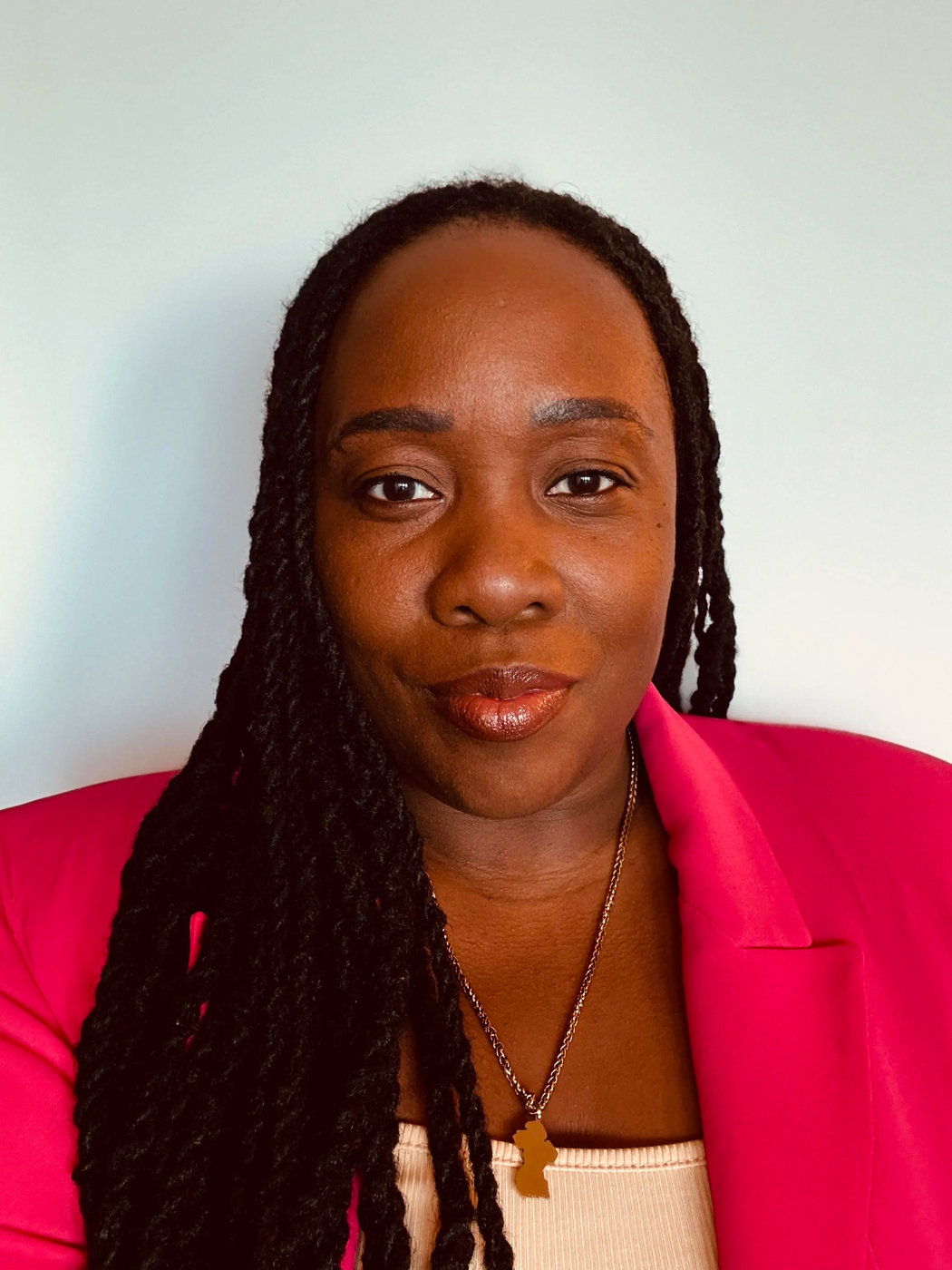 Allyship: Discussing Power and PrivilegeJaneen Wilson · 4.4 out of 5 from 10 participants