Why We Believe Conspiracy Theories
Jan-Willem van Prooijen
Book a demo →from €2,250 for your whole company
Book a demo →from €2,250 for your whole company
This one runs as a masterclass: Jan-Willem van Prooijen takes your colleagues through the research and the thinking behind it, with live questions throughout.
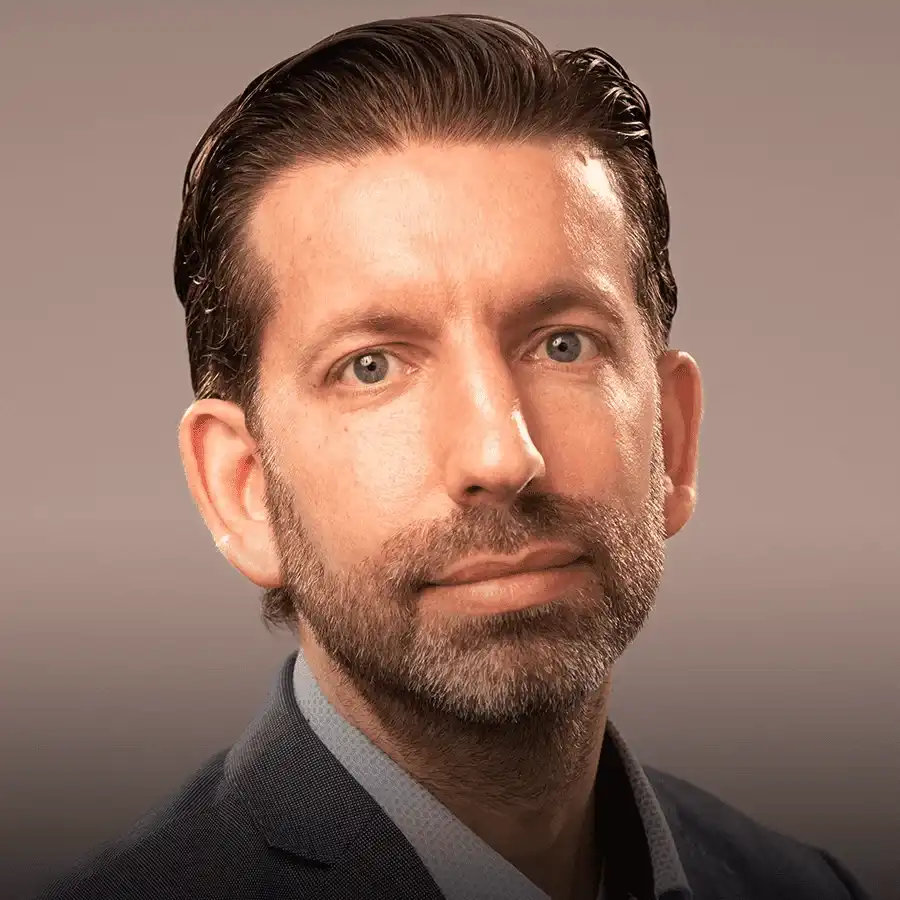
Jan-Willem works as an Associate Professor at the department of Experimental and Applied Psychology of VU Amsterdam, and as a Senior Researcher at the Netherlands Institute for the Study of Crime and Law Enforcement (NSCR). He is interested in the dark side of human beings, particularly in the context of politics, law, and society. His research has three main thematic pillars: conspiracy theories, unethical behaviour, and radical ideologies.
All sessions by Jan-Willem →The elections were rigged. The ’Deep State’ governs us all. Qanon is real. Coronavirus is fake. Beware of chemtrails. Conspiracy theories are a widespread phenomenon. Multiple 5G masts have gone up in flames in the UK in the past year.
These communication towers had to burn because they stand accused, along with China, of spreading coronavirus. It's not clear how the arsonists have figured this out. But in the age of conspiracy theories, the corona virus is flaming new conspiracy theories all over the world through social media.
Why do so many people believe in conspiracies? And why are certain people more likely to believe in conspiracy theories than others. In this interactive session you can learn all about conspiracy theories from the renowned expert, followed by a Q&A.
During the expert session, Jan Willem van Prooijen engages the audience through a thought-provoking discussion on conspiracy theories. He shares insights from his research, exploring the psychological and social processes underlying conspiracy thinking.
Interactive elements include a Q&A session, where participants can ask questions about conspiracy theories and their implications. Additionally, Jan Willem uses live demonstrations to illustrate how these theories emerge and spread.
The Mentimeter app is employed for interactive exercises, allowing attendees to share their thoughts on the topic and engage in group discussions.
Recognizing the psychological and social processes that contribute to the belief in conspiracy theories is crucial for promoting a more informed and inclusive society.
Engaging in open, respectful dialogues and using factual evidence to challenge conspiracy theories can help reduce their appeal and spread.
Encouraging critical thinking skills and fact-checking are essential for discerning reliable sources of information and reducing the impact of conspiracy theories on individuals and society as a whole.
In this expert session, psychologist Jan Willem van Prooijen sheds light on the phenomenon of conspiracy theories and their impact on individuals and society as a whole. Conspiracy theories, which gained significant attention during the COVID-19 pandemic with beliefs like the Chinese government creating the virus or 5G technology exacerbating symptoms, can be harmful and fuel mistrust towards authority figures and scientific expertise.
Jan Willem explains that the emergence of conspiracy theories is linked to psychological processes such as pattern recognition and heightened perception of intentionality. These processes can contribute to people's beliefs in seemingly unconnected events or relationships.
Furthermore, social media use, particularly on platforms known for promoting sensationalist content, can amplify and spread conspiracy theories.
Jan Willem emphasizes the potential harms of conspiracy theories, including inciting violence, undermining public trust in institutions, and contributing to misinformation and disinformation. To mitigate these negative effects, he suggests promoting critical thinking skills, encouraging fact-checking and media literacy, and fostering a culture of openness and respect for differing perspectives.
When engaging with someone who holds conspiracy beliefs, Jan Willem encourages maintaining an open and respectful attitude. Active listening, asking open-ended questions, validating their feelings, sharing credible sources, and being patient and persistent are key steps in fostering a dialogue and challenging their theories with facts and rational arguments.
Jan Willem also discusses the motivations behind individuals who profit from fear, conflict, and polarization by spreading conspiracy theories, such as Alex Jones. While it's difficult to understand the exact reasons for their actions, Jan Willem encourages continued research in this area to better comprehend these complexities and adapt to our ever-changing society.
Jan Willem explains that his research focuses on both situational and personal factors influencing an individual's openness to conspiracy theories, including crisis situations like pandemics, economic crises, or acts of terrorism, as well as personal traits such as trust in authority figures and worldview.
In conclusion, Jan Willem van Prooijen emphasizes the importance of understanding the psychological and social processes underlying conspiracy theories and their potential harms on individuals and society. By promoting critical thinking, fact-checking, media literacy, and open dialogue, we can reduce the spread of misinformation and disinformation and foster a more informed and inclusive society.
No prior knowledge is assumed. It is built for a general working audience, and people who already know the subject get the research and the practical side rather than an introduction. What the hour itself covers: The elections were rigged. The ’Deep State’ governs us all.
A masterclass. Jan-Willem van Prooijen takes your colleagues through the subject and the reasoning behind it, and answers live questions. It is practical in what people take away, without the hour turning into an exercise class.
Jan-Willem van Prooijen is one of the experts we auditioned ourselves, and we produce every session so we see how each one lands. Participants rate this session 3.9 out of 5, across 32 responses, and rate Jan-Willem personally 3.9 out of 5.
It is interactive, and the block higher up on this page says exactly how for this session. Nobody has to speak up who does not want to: the chat and the polls carry most of it, and the questions can come in anonymously.
It runs 45 min / 15 min: the talk, then live questions. All you do is pick a date. We brief Jan-Willem, produce the session, host and moderate it, run the Q&A, and send you the report within an hour of the end.
A team, a department, an employee network or every single employee at once, with no cap and no per-seat price. It runs inside your own Microsoft Teams, Zoom or Google Meet, or on a branded page we build. No integration, no login, no company device or e-mail.
The session is delivered in English, Dutch. You can add high accuracy live subtitles in 8, 16 or 24 languages, so everyone follows in their own. That is a paid option, priced by the number of languages you need.
No, and that is by design. There is nothing to install, nothing to integrate and no connection to your systems, so there is nothing for IT to validate: we join your own Teams, Zoom or Meet as a guest speaker, or we host a page and your people open a link. No software, no accounts, and no data of yours that we can reach. It is why hundreds of companies, among them some of the largest technology and financial firms in the world, were able to start within a day.
We never receive or hold personal data about your employees. Because the session runs in your own environment, attendance and identity stay with you, and what we report back is aggregated: numbers, ratings and survey answers, not people. That is also why IT approval usually takes minutes rather than weeks.
You keep the recording and can share it internally. You also get attendance over time, participant ratings for the content and the speaker, the survey answers, and the topics your people asked for next.

"People will forget what you said... but people will never forget how you made them feel," - Maya Angelou This hands-on workshop…
Despite constant warnings, we are reluctant to change our ways when it comes to accumulating more and more things.
Kilian gives an intriguing leqture on the effect of money and other incentives to reward behaviour.

Da Vinci is known for being an inventor and an artist, but most of all, he was an excellent observer.
Hoe is de Kim 'dynastie' aan de macht gekomen en kan het al zo lang functioneren?
When is an act considered as money laundering? Joras provides insights into this criminal activity.