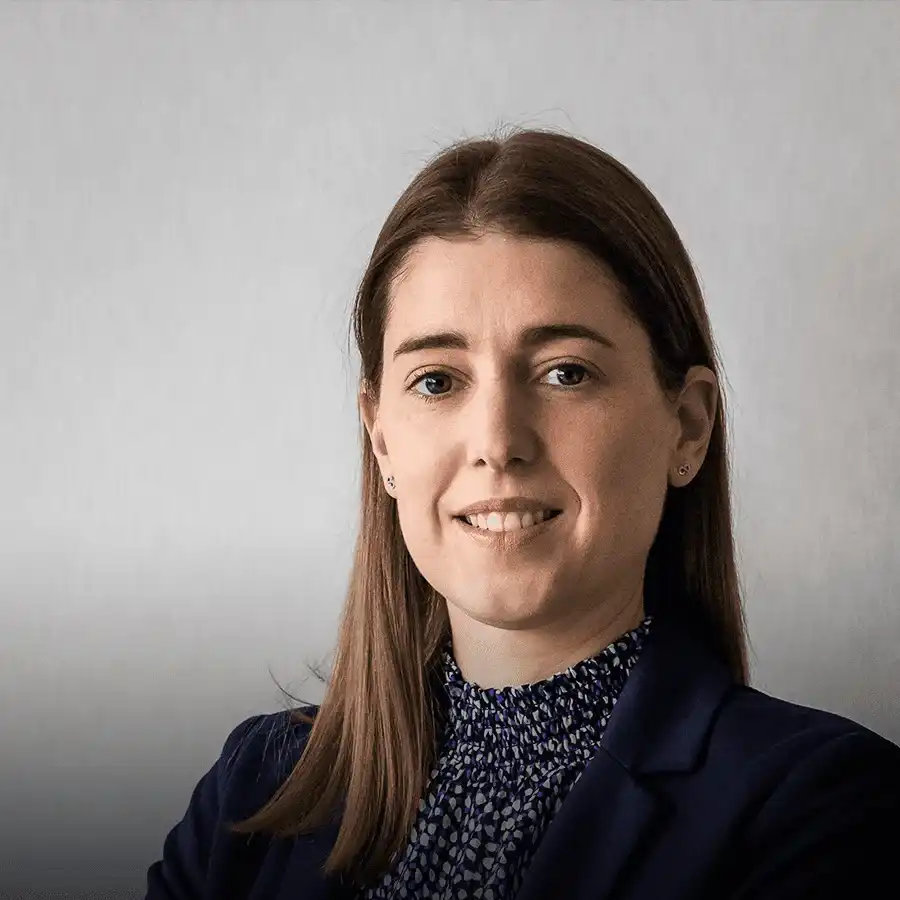
As a child you often tried to get away with a lie, but you didn't always succeed. Still, we gradually get better at lying, and many everyday lies never come to light. How is that possible? In fact, you can hardly tell if someone is lying or not.
For everyday lies this is not bad, but with Police investigation this can have dangerous consequences. Are there any ways to detect lies at all and if so, how? In this session Glynis takes you through the psychology behind lying.
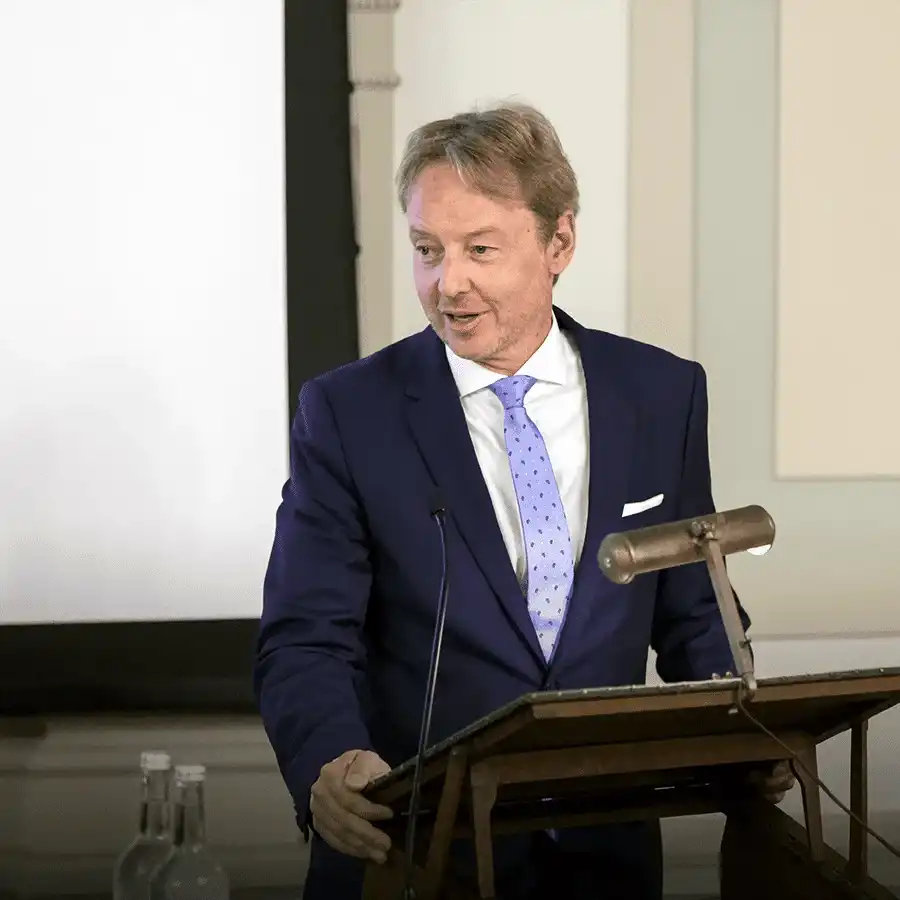
During the expert session, Glynis Bogaard engages the audience through a Q&A session, live demonstrations, and using the Mentimeter app for interactive exercises. She discusses the significance of detecting false statements and identifications in various contexts, providing insights into dealing with pathological liars, and admitting her limitations in recognizing lies.
Through these interactions, Glynis emphasizes the importance of continuous learning and improvement in this field.
Understand that even experts like Glynis have limitations when it comes to accurately detecting lies, with her estimating her accuracy to be around 55%.
Learn strategies for dealing with individuals who are skilled at manipulating information and focusing on positive aspects while avoiding negative topics.
Embrace the importance of ongoing improvement in the field of lie detection, as new research and techniques emerge to enhance our ability to identify false statements and identifications accurately.
In this expert session, Glynis Bogaard sheds light on the intricacies of detecting false statements and identifications, emphasizing their importance in various contexts. During the discussion, she addresses a question about the percentage of people wrongfully convicted due to unreliable lie detection methods.
Although she does not provide an exact number, Glynis acknowledges that significant cases of false confessions and mistaken eyewitness identifications contribute to these convictions.
Regarding lying behavior, Glynis discusses pathological liars and their ability to manipulate information while focusing on positive aspects and shifting conversations away from negative ones. She clarifies that not all salespeople exhibit such behaviors but that those who do often possess exceptional skills in providing abundant information, emphasizing it, and switching topics quickly to avoid scrutiny.
Glynis then shares her personal experiences and limitations in recognizing lies. She admits an approximate accuracy level of 55% when analyzing methods and relying solely on intuition, acknowledging the need for continuous improvement and learning from feedback.
Throughout the session, she encourages participants to remain aware of their biases and emphasizes the importance of contextual knowledge, listening carefully, using technology, and looking for inconsistencies in assessing deception. The expert session concludes with Glynis expressing gratitude for the audience's engagement.
It is interactive, and the block above says exactly how for this session. Nobody has to speak up who does not want to: the chat and the polls carry most of it, and the questions can come in anonymously.
As a child you often tried to get away with a lie, but you didn't always succeed. Still, we gradually get better at lying, and many everyday lies never come to light. It is built for a general working audience: no prior knowledge is assumed, and people who already know the subject get the research and the practical side rather than an introduction.
Glynis Bogaard is one of the experts we auditioned ourselves, and we produce every session so we see how each one lands. Participants rate this session 4.2 out of 5, across 15 responses, and rate Glynis personally 4.6 out of 5.
It runs 45 min / 15 min: the talk, then live questions. All you do is pick a date. We brief Glynis, produce the session, host and moderate it, run the Q&A, and send you the report within an hour of the end.
A team, a department, an employee network or every single employee at once, with no cap and no per-seat price. It runs inside your own Microsoft Teams, Zoom or Google Meet, or on a branded page we build. No integration, no login, no company device or e-mail.
The session is delivered in English, Dutch. You can add high accuracy live subtitles in 8, 16 or 24 languages, so everyone follows in their own. That is a paid option, priced by the number of languages you need.
No, and that is by design. There is nothing to install, nothing to integrate and no connection to your systems, so there is nothing for IT to validate: we join your own Teams, Zoom or Meet as a guest speaker, or we host a page and your people open a link. No software, no accounts, and no data of yours that we can reach. It is why hundreds of companies, among them some of the largest technology and financial firms in the world, were able to start within a day.
We never receive or hold personal data about your employees. Because the session runs in your own environment, attendance and identity stay with you, and what we report back is aggregated: numbers, ratings and survey answers, not people. That is also why IT approval usually takes minutes rather than weeks.
You keep the recording and can share it internally. You also get attendance over time, participant ratings for the content and the speaker, the survey answers, and the topics your people asked for next.
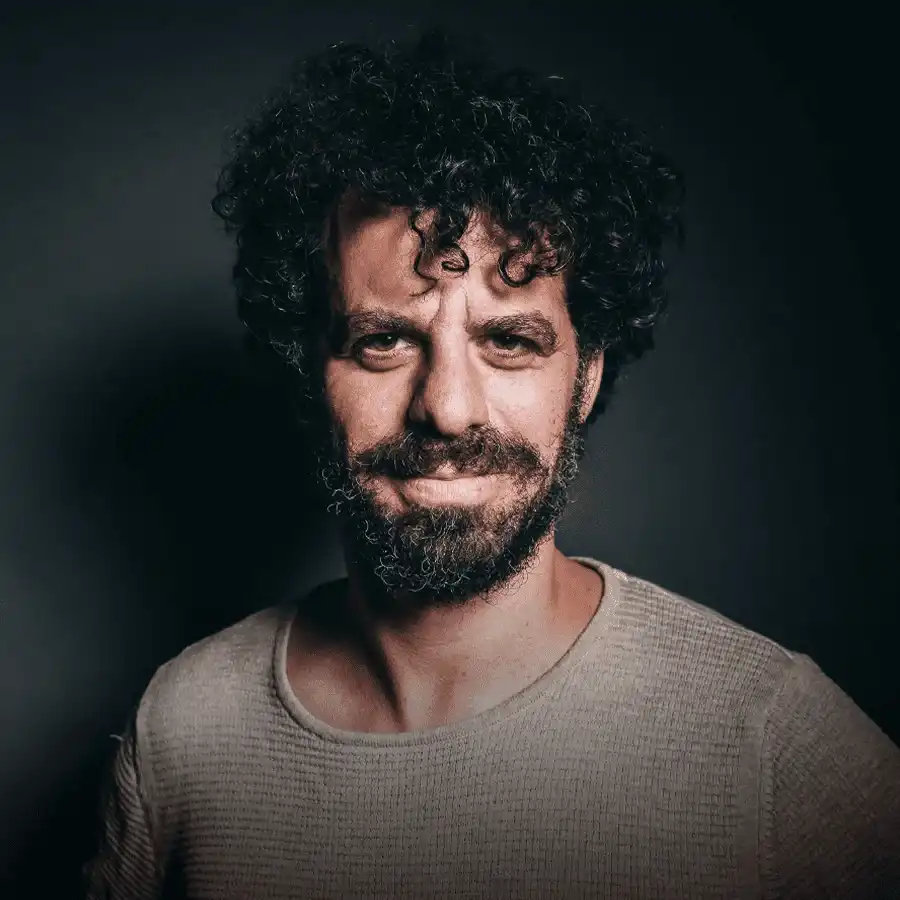
"People will forget what you said... but people will never forget how you made them feel," - Maya Angelou This hands-on workshop…
In a few interactive, playful exercises Rod shows people how to switch from ‘Yes, but’ to ‘Yes, and’.
In this 60 minute interactive session, Rod makes the case that the success or failure of everything we do depends on only one…
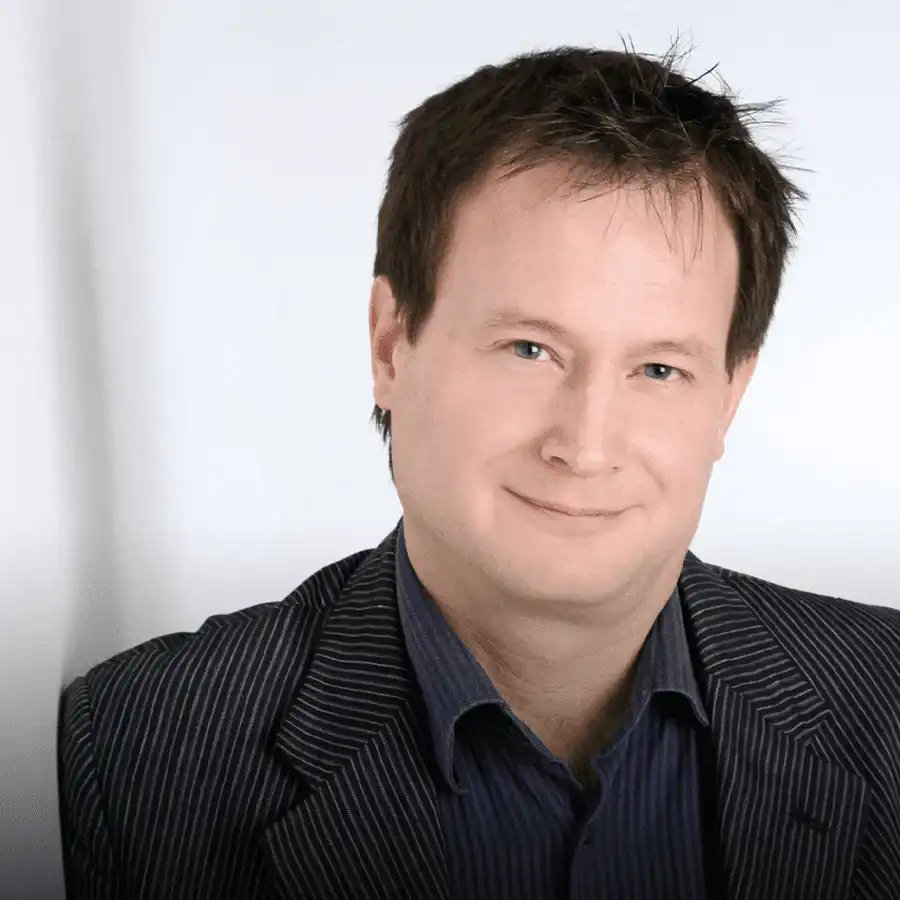
Despite constant warnings, we are reluctant to change our ways when it comes to accumulating more and more things.
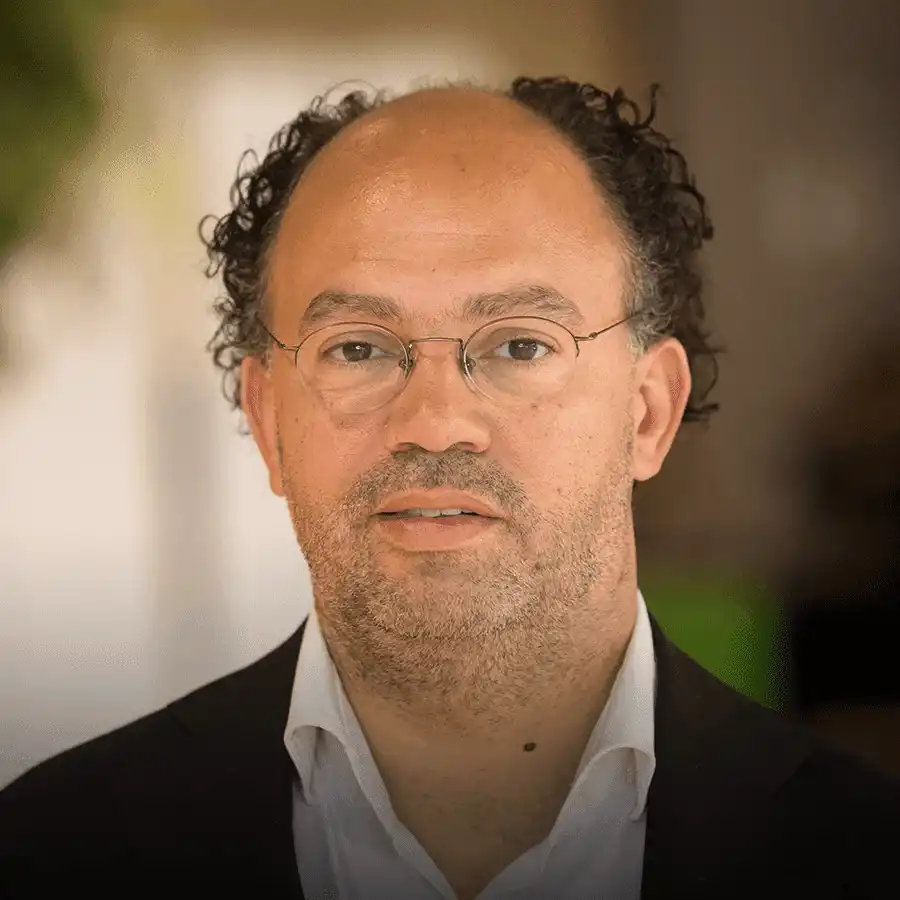
Kilian gives an intriguing leqture on the effect of money and other incentives to reward behaviour.
Da Vinci is known for being an inventor and an artist, but most of all, he was an excellent observer.