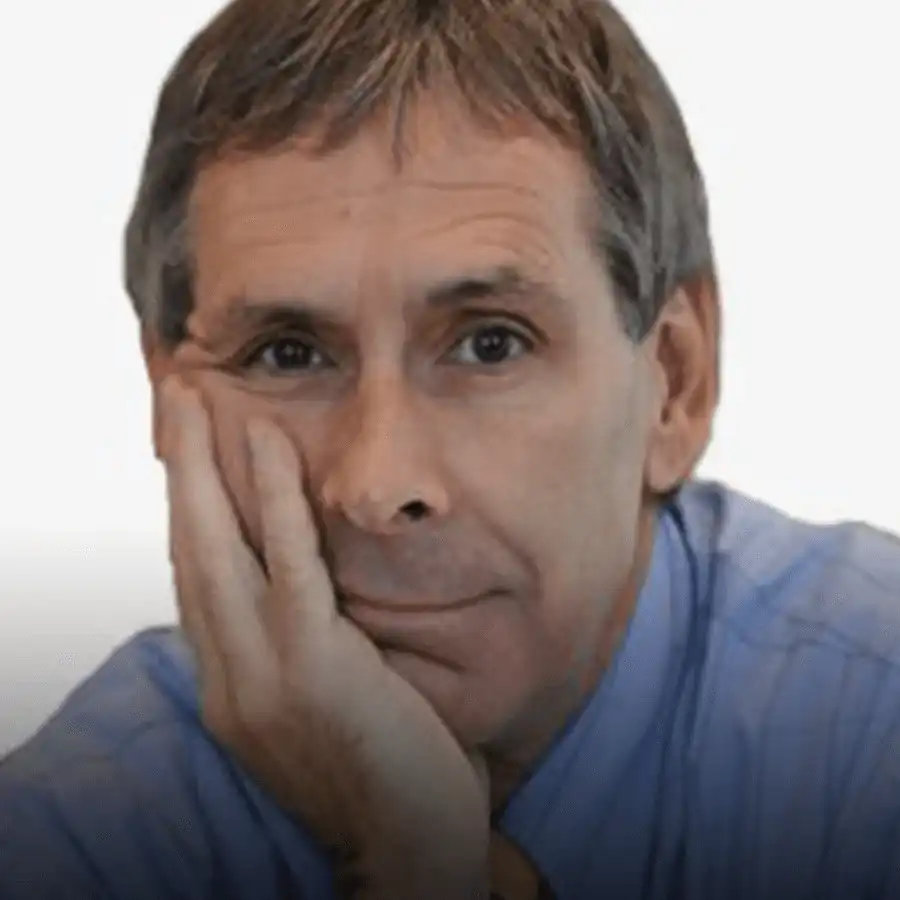
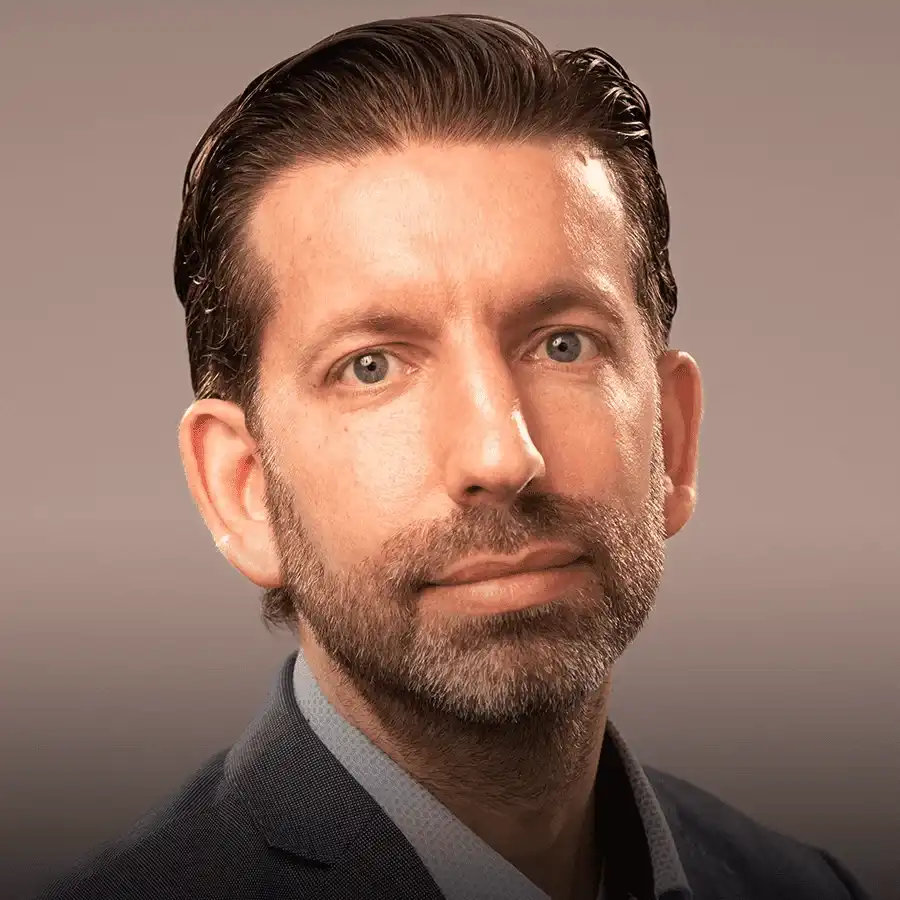
Dr. LaPorte is Professor of Psychology at Indiana University of Pennsylvania and author of the book Paranoid: Exploring Suspiciousness from the Dubious to the Delusional. He is a practicing clinical neuropsychologist and psychotherapist who has published numerous articles on mental illnesses. He has been interviewed on television, radio and in print media on the topic of paranoia. When not engaged in professional activities he enjoys training his new puppy (unsuccessfully) and submerging underwater where he can’t be surveilled by others. (Oh, and he is not paranoid based on his own expert clinical judgment).
All sessions by David →Do you fear that someone may hack your computer and steal your personal information, or that the government might spy on you? Does that mean you are paranoid or just cautious? Are people who believe in conspiracy theories just paranoid?
This session will answer those questions and tell you why you should be concerned about paranoia.
As you will see in this session, it is a paranoid world we live in and while the security of the information on your computer is one thing to worry about, it is your very life and the lives of others that may be in real danger. Are you paranoid? Join David in this lecture and find out!
During the expert session, David LaPorte engages the audience by discussing various aspects of paranoia, fear, and conspiracy theories. He uses real-life examples and encourages participants to reflect on their own beliefs and suspicions.
Interactions are primarily facilitated through the chat function, allowing for uninterrupted listening and minimal disruptions. David also employs Mentimeterfor interactive polls, gathering insights from attendees around the world to understand diverse perspectives.
Gain a deeper insight into paranoia as a human phenomenon, its differences from fear, and how it intersects with conspiracy theories.
Learn strategies for engaging with individuals who hold suspicious beliefs while promoting empathy and trust, and discuss the role of governments in balancing privacy and security.
Explore how technology contributes to paranoia and mental health issues, such as hacking, government surveillance, and social media, and consider potential solutions for protecting individuals from harm.
In this expert session, David LaPorte begins by discussing fear as a normal human emotion and paranoia as a psychological condition characterized by excessive suspiciousness and belief that others have bad intentions towards us. He highlights the differences between fear and paranoia, emphasizing that humans possess a unique ability to understand the thoughts, feelings, and motives of not only themselves but others.
David delves deeper into the unique aspects of paranoia as a human phenomenon. He mentions his personal interest in this area as a clinician and how he had encountered paranoia in various conditions. He explains that conspiracy theories are a common feature among those who believe in them, with people becoming more suspicious and paranoid when they feel powerless or sense political extremism and religious fundamentalism.
He mentions that paranoia has been increasing over time due to societal changes, technological advancements, and other factors.
David also discusses the prevalence of paranoia and its relationship with belief in conspiracies worldwide. He uses examples such as conspiracy theories regarding vaccines and governments hiding the truth from the public, emphasizing that cultural differences play a role in shaping people's beliefs.
The expert discusses some popular conspiracies found on the internet and asks the audience for their endorsement of these theories, comparing results across different parts of the world to understand various perspectives. The topics included conspiracy theories related to the Corona Virus, exaggeration of virus-related deaths, hidden harmful effects of vaccines, government involvement in 9/11 attacks, and a secret group controlling world events.
David also touches upon the role of governments and citizens in shaping societal norms, particularly concerning freedom and government control. He emphasizes the importance of trust between governments and their citizens and suggests that regulations that provide more freedoms could foster better relationships.
No prior knowledge is assumed. It is built for a general working audience, and people who already know the subject get the research and the practical side rather than an introduction. What the hour itself covers: Do you fear that someone may hack your computer and steal your personal information, or that the government might spy on you? Does that mean you are paranoid or just cautious?
It is interactive, and the block higher up on this page says exactly how for this session. Nobody has to speak up who does not want to: the chat and the polls carry most of it, and the questions can come in anonymously.
It runs 45 min / 15 min: the talk, then live questions. All you do is pick a date. We brief David, produce the session, host and moderate it, run the Q&A, and send you the report within an hour of the end.
A team, a department, an employee network or every single employee at once, with no cap and no per-seat price. It runs inside your own Microsoft Teams, Zoom or Google Meet, or on a branded page we build. No integration, no login, no company device or e-mail.
The session is delivered in English. You can add high accuracy live subtitles in 8, 16 or 24 languages, so everyone follows in their own. That is a paid option, priced by the number of languages you need.
No, and that is by design. There is nothing to install, nothing to integrate and no connection to your systems, so there is nothing for IT to validate: we join your own Teams, Zoom or Meet as a guest speaker, or we host a page and your people open a link. No software, no accounts, and no data of yours that we can reach. It is why hundreds of companies, among them some of the largest technology and financial firms in the world, were able to start within a day.
We never receive or hold personal data about your employees. Because the session runs in your own environment, attendance and identity stay with you, and what we report back is aggregated: numbers, ratings and survey answers, not people. That is also why IT approval usually takes minutes rather than weeks.
You keep the recording and can share it internally. You also get attendance over time, participant ratings for the content and the speaker, the survey answers, and the topics your people asked for next.
"People will forget what you said... but people will never forget how you made them feel," - Maya Angelou This hands-on workshop…

Despite constant warnings, we are reluctant to change our ways when it comes to accumulating more and more things.
Kilian gives an intriguing leqture on the effect of money and other incentives to reward behaviour.

Da Vinci is known for being an inventor and an artist, but most of all, he was an excellent observer.
Hoe is de Kim 'dynastie' aan de macht gekomen en kan het al zo lang functioneren?
When is an act considered as money laundering? Joras provides insights into this criminal activity.