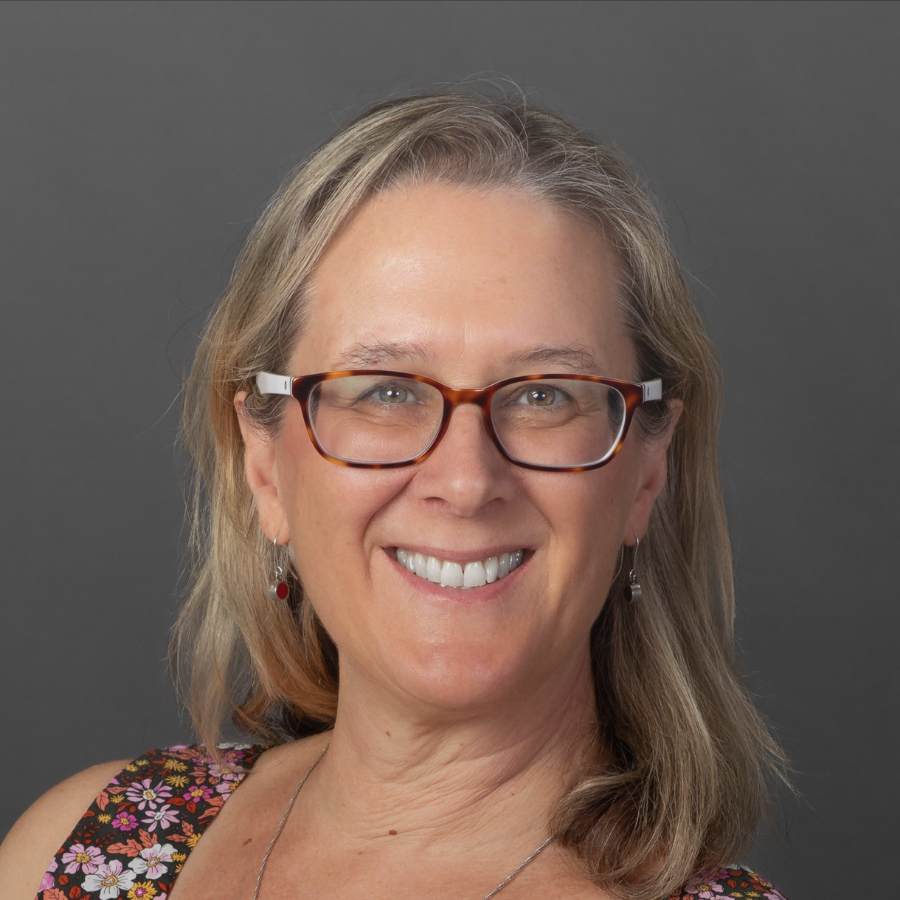
This one runs as a masterclass: Julia Rucklidge takes your colleagues through the research and the thinking behind it, with live questions throughout.
Professor Julia Rucklidge, a clinical psychologist, is the Director of Te Puna Toiora, the Mental Health and Nutrition Research Lab at the University of Canterbury in Christchurch, New Zealand. Originally from Toronto, Canada, she is internationally renowned for her research and clinical trials on nutrients and mental health challenges, from ADHD to irritability in teens, to antenatal depression. Professor Rucklidge has become well-known for her ability to succinctly communicate the latest research relating to nutrition and mental health and gives practical easy to implement information on how to eat to optimize brain health. She has hundreds of peer reviewed publications, global public talks and invited keynotes. She is a founding member and on the Executive Committee for the International Society of Nutritional Psychiatry Research. Notable achievements include co-authoring "The Better Brain," a TEDx talk with over 5 million views, a free online course through EdX on Mental Health and Nutrition taken by over 100,000 students, and receiving awards like University of Canterbury Innovation Medal 2024, the Ballin Award from the NZ Psychological Society for her contributions to clinical psychology, Fellow of the Australasian Society of Lifestyle Medicine, a Braveheart Award for making Christchurch a better place to live, and being named three times as one of New Zealand's top 100 influential women. Julia is passionate about advocating that a good nutritional foundation is essential for helping people prevent and recover from mental health challenges.
All sessions by Julia →Despite the advent of medications and other therapies over the last 50 years, the rates of mental illness have been on the rise rather than a decline. Over the last decade, scientists have been uncovering an uncomfortable truth: What we eat is affecting our mental health.
This session will discuss the vital importance of ensuring we all have access to nutrient dense food and possibly supplement in times of stress in order to ensure the brain has the foundation it requires to function optimally. Join Julia in this interactive session and learn about how nutrition is affecting our mental health.
During the expert session, Julia Rucklidge engages the audience through a Q&A session, live demonstrations using Mentimeter for interactive exercises, and by sharing her research findings on the role of nutrition in mental health. She encourages participants to reflect on their current diets and consider incorporating whole foods for optimal brain function and mental wellbeing.
Additionally, she discusses the importance of supplementing with essential nutrients, particularly during stressful times, and emphasizes the impact of individual factors on nutritional needs.
Gain insights into the significant connection between diet and mental well-being, as discussed by clinical psychologist Julia Rucklidge.
Learn how following a Mediterranean-style diet rich in fruits, vegetables, fish, healthy fats, and whole grains can contribute to better mental health outcomes.
Understand the importance of obtaining essential nutrients like EPA and DHA, managing stress through proper nutrition, and considering individual factors when making dietary changes.
In this expert session, Clinical Psychologist Julia Rucklidge shares her extensive insights into the powerful connection between diet and mental well-being. Starting with a brief background introduction, Rucklidge explains how her fascination with this field stemmed from observing the limitations of conventional treatments for mental health issues.
The session begins with an emphasis on the importance of addressing mental health, particularly during challenging times, as one in five people worldwide experience mental health concerns. Julia discusses her research findings on micronutrients' crucial roles in brain health and mental well-being.
She emphasizes that while we may only need them in small quantities, they play essential functions in producing enzymes, hormones, neurotransmitters, and other vital processes within the body. She also shares her personal experiences with funding independent research and writing her book "The Better Brain" to share her findings with a wider audience.
Julia then delves into the significance of diet patterns and their impact on mental health. She discusses how following a Mediterranean-style diet, rich in fish, healthy fats, fruits, and vegetables, can lower the risk for mental health issues such as depression, anxiety, or stress.
In contrast, diets high in processed foods, sugary drinks, and low in fruits and vegetables increase the likelihood of developing these conditions.
Rucklidge also emphasizes the importance of considering long-term eating habits rather than short-term comfort food choices. Studies show that one's diet at an early stage predicts their mental health condition in the future.
For those struggling with mental health issues, teaching cooking skills and encouraging a Mediterranean-style diet has shown substantial improvements in their symptoms.
Rucklidge highlights the often overlooked significance of micronutrients (vitamins and minerals) in our daily diets, emphasizing that they are essential for optimal brain function, energy production, reducing inflammation, and supporting our immune system. She encourages individuals to reflect on their current diets and consider whether they're providing them with the necessary vitamins and minerals for optimal mental health.
The session continues by discussing the importance of proper nutrition in managing stress and supporting overall brain health. Rucklidge emphasizes that well-nourished bodies are better equipped to handle ongoing stress and recover from mental health issues, especially during times of crisis or disaster.
She also shares a case study from Canada's Fort McMurray fire in 2016, where the population's lack of supplementation following the disaster resulted in an increase in affective and anxiety disorders.
Rucklidge advises individuals to prioritize consuming whole foods and consider supplementation when necessary to ensure they receive a full array of vitamins and minerals for optimal brain health. She also emphasizes the importance of considering individual factors like disease states, immune system function, genetics, medication use, and diet when assessing nutritional needs.
She also discusses the importance of staying connected, exercising, and teaching children how to cook for a well-rounded approach to mental health and well-being.
From the survey every participant gets when the session ends, in their own words.
Very interesting lecture, thanks.
Dark chocolate and some yoghurts may be UPF. 30 different plants is nice approach to healthy eating. Thanks. Also nice idea to prevent UPFs by checking packages.
Thank you! very insightful..
To pay more attention to what I consume. Not everything that is labelled as ‘good’ really contain what’s needed. Eat more whole (real) foods.
That they treat depression and anxiety with nutrition and that they actually succeed with this. The talk was a great motivation to take more care to what you eat and also a great reminder that it really makes a difference if you eat natural food or not.
It was really good!! The pace of the speed I felt it rush…
No prior knowledge is assumed. It is built for a general working audience, and people who already know the subject get the research and the practical side rather than an introduction. What the hour itself covers: Despite the advent of medications and other therapies over the last 50 years, the rates of mental illness have been on the rise rather than a decline. Over the last decade, scientists have been uncovering an uncomfortable truth: What we eat is affecting our mental health.
A masterclass. Julia Rucklidge takes your colleagues through the subject and the reasoning behind it, and answers live questions. It is practical in what people take away, without the hour turning into an exercise class.
Julia Rucklidge is one of the experts we auditioned ourselves, and we produce every session so we see how each one lands. Participants rate this session 4.1 out of 5, across 76 responses, and rate Julia personally 4.2 out of 5.
It is interactive, and the block higher up on this page says exactly how for this session. Nobody has to speak up who does not want to: the chat and the polls carry most of it, and the questions can come in anonymously.
It runs 45 min / 15 min: the talk, then live questions. All you do is pick a date. We brief Julia, produce the session, host and moderate it, run the Q&A, and send you the report within an hour of the end.
A team, a department, an employee network or every single employee at once, with no cap and no per-seat price. It runs inside your own Microsoft Teams, Zoom or Google Meet, or on a branded page we build. No integration, no login, no company device or e-mail.
The session is delivered in English. You can add high accuracy live subtitles in 8, 16 or 24 languages, so everyone follows in their own. That is a paid option, priced by the number of languages you need.
No, and that is by design. There is nothing to install, nothing to integrate and no connection to your systems, so there is nothing for IT to validate: we join your own Teams, Zoom or Meet as a guest speaker, or we host a page and your people open a link. No software, no accounts, and no data of yours that we can reach. It is why hundreds of companies, among them some of the largest technology and financial firms in the world, were able to start within a day.
We never receive or hold personal data about your employees. Because the session runs in your own environment, attendance and identity stay with you, and what we report back is aggregated: numbers, ratings and survey answers, not people. That is also why IT approval usually takes minutes rather than weeks.
You keep the recording and can share it internally. You also get attendance over time, participant ratings for the content and the speaker, the survey answers, and the topics your people asked for next.

Psychological Safety is a well documented driver of high performance in teams and organisations.

In a world of uncertainty, we cannot always control all the bad things that happen to us, but we can control the way that we…

“Netflix’s biggest competitor is sleep.”That statement captures the reality of today’s attention economy.
Stress appears to be one of the greatest threats to society. What can neuroscience tell you about what happens in your brain when…
1 in 4 people will experience a mental health disorder during their lifetime and the numbers keep rising.

There’s a myth fed by advertisement and social media that self-care is something like a luxurious spa-day, an extravagant weekend…