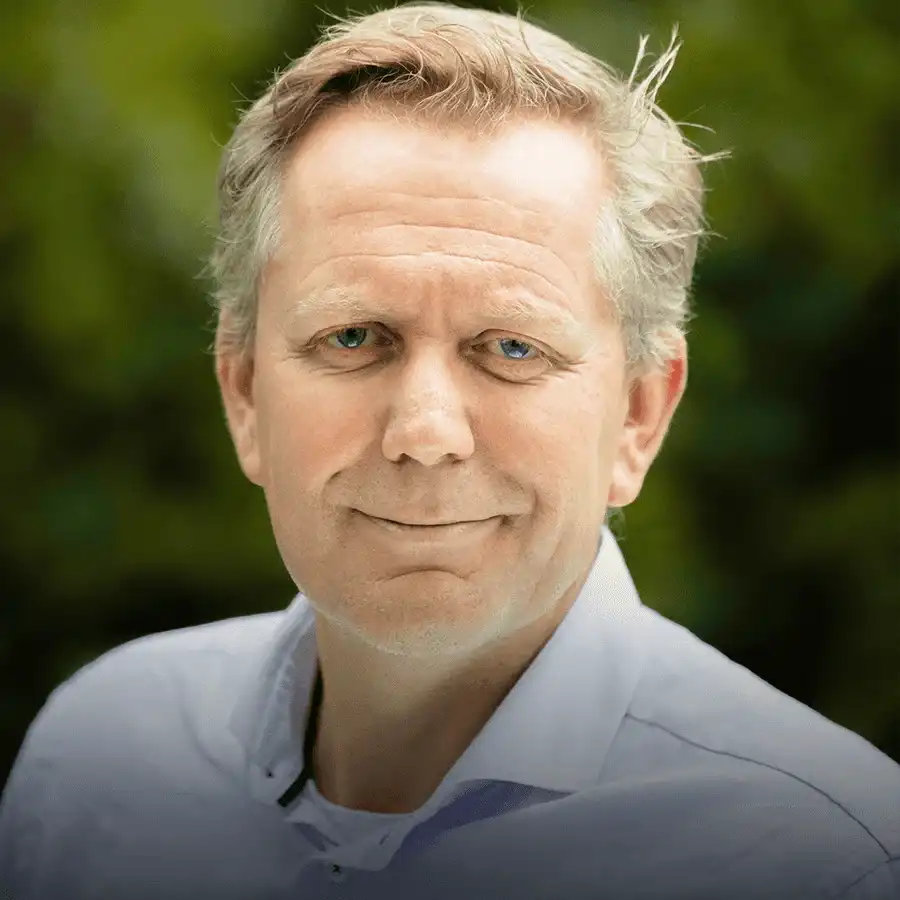
Innovatie is zeker niet moeilijk, alleen maken we het onszelf soms moeilijk omdat we het willen inplannen en controleren. Daardoor ontstaat er een catch-22 situatie waarbij ideeën alleen een kans krijgen als we precies weten wat we krijgen.
Maar innovatie-in-het-wild werkt heel anders: het proces dat je ziet bij succesvolle start-ups, teams en organisaties lijkt veel meer op het creatieve denkproces van ontwerpers. Daarin staat maken en experimenteren centraal en wijkt fundamenteel af van analytisch denken.
In deze interactieve sessie legt Guido uit wat we hiervan kunnen leren, in een aantal stappen: de catch-22 van innovatie: wat houdt ons tegen? Drie strategieën om problemen op te lossen. Wat is design thinking?
Waarom is design thinking nodig? Hoe doe je dat dan? Wil je weten wat design thinking voor jouw organisatie betekent? Guido weet moeiteloos de brug te slaan.
During the expert session, Guido engages the audience through methods like a Q&A session, live demonstrations using real-life examples, and an interactive Mentimeter poll to gather insights on the pitfalls of Design Thinking. These activities facilitate a deeper understanding of the innovative problem-solving approach called Design Thinking, encourage reflection on personal problem-solving methods, and stimulate creative thinking among participants.
Discovering the potential of Design Thinking to explore possibilities beyond traditional problem-solving methods by focusing on user needs and ideating innovative solutions.
Understanding how our perception of situations shapes our approach to problem-solving, and being conscious of different frames to generate more creative ideas.
Leveraging the power of diverse perspectives through collaboration, combining analytical thinking with Design Thinking principles for effective and innovative solutions.
In this expert session, Guido Stompff introduces the theme of Design Thinking, a problem-solving approach used by designers to identify and address user needs in a creative and innovative way. He begins by explaining that while analytical thinking is focused on identifying causes and logical solutions, Design Thinking encourages exploring new possibilities and creating things that meet desired outcomes.
Guido uses an analogy of being lost while driving and looking in the rearview mirror for directions to illustrate how we often rely on old ways of doing things instead of looking forward for new possibilities.
Design Thinking involves a process of asking questions, understanding user needs, ideating potential solutions, prototyping, testing, and implementing those ideas that resonate with users. Guido provides an example of Design Thinking in action: addressing the issue of flooding due to heavy rain as a result of climate change in the Netherlands.
Traditional approaches might involve building more dikes or diverting water away from populated areas. However, Design Thinking encourages looking for creative solutions, such as collecting and storing excess rainwater temporarily in containers.
Guido acknowledges that striking a balance between realism (costs, feasibility) and creativity can be a challenge when implementing Design Thinking. He mentions that potential pitfalls of Design Thinking include being too focused on the solution without considering practical implications or time constraints, as well as tunnel vision or Inside The Box thinking, which can limit creative solutions to only those within a specific frame of reference.
To illustrate this point, Guido asks the audience to reflect on their own experiences with Design Thinking and share any pitfalls they had encountered using a mentimeter poll. He emphasizes that effective problem-solving requires balancing both analytical and Design Thinking approaches.
Throughout the presentation, Guido encourages the audience to think about how they might approach problems differently using Design Thinking principles. He emphasizes the importance of being open to new ideas and perspectives in order to effectively innovate.
By exploring new possibilities and being aware of our frames or perspectives, we can discover creative solutions that are both practical and innovative.
From the survey every participant gets when the session ends, in their own words.
Heel leuk en professioneel gedaan! Meer van dit soort sessies. Dank je wel!
Kadreren van problemen en open blijven denken over elke stap van het proces. Vooral reflecteren en bijstellen is erg belangrijk. Deze manier van denken hield ik zelf al aan. Maar het was leerzaam om het proces in stappen uitgelegd te zien.
Het zou leuk zijn om laagdrempelige workshops te organiseren in de teams waarbij we aan de slag gaan met een echt probleem en door design thinking werken aan een oplossing. Mits we er ook echt iets mee gaan doen natuurlijk!
Veel geleerd over een andere manier van denken. Ik ben zelf net afgestudeerd waar dit een bekende aanpak is maar de reminder en presentatie waren goed!
Erg leuk praatje en een erg enthousiaste spreker!!!
Leuk dat de spreker zo enthousiast is!
It is interactive, and the block above says exactly how for this session. Nobody has to speak up who does not want to: the chat and the polls carry most of it, and the questions can come in anonymously.
Innovatie is zeker niet moeilijk, alleen maken we het onszelf soms moeilijk omdat we het willen inplannen en controleren. Daardoor ontstaat er een catch-22 situatie waarbij ideeën alleen een kans krijgen als we precies weten wat we krijgen. It is built for a general working audience: no prior knowledge is assumed, and people who already know the subject get the research and the practical side rather than an introduction.
Guido Stompff is one of the experts we auditioned ourselves, and we produce every session so we see how each one lands. Participants rate this session 3.8 out of 5, across 59 responses, and rate Guido personally 4.2 out of 5.
It runs 45 min / 15 min: the talk, then live questions. All you do is pick a date. We brief Guido, produce the session, host and moderate it, run the Q&A, and send you the report within an hour of the end.
A team, a department, an employee network or every single employee at once, with no cap and no per-seat price. It runs inside your own Microsoft Teams, Zoom or Google Meet, or on a branded page we build. No integration, no login, no company device or e-mail.
The session is delivered in Dutch. You can add high accuracy live subtitles in 8, 16 or 24 languages, so everyone follows in their own. That is a paid option, priced by the number of languages you need.
No, and that is by design. There is nothing to install, nothing to integrate and no connection to your systems, so there is nothing for IT to validate: we join your own Teams, Zoom or Meet as a guest speaker, or we host a page and your people open a link. No software, no accounts, and no data of yours that we can reach. It is why hundreds of companies, among them some of the largest technology and financial firms in the world, were able to start within a day.
We never receive or hold personal data about your employees. Because the session runs in your own environment, attendance and identity stay with you, and what we report back is aggregated: numbers, ratings and survey answers, not people. That is also why IT approval usually takes minutes rather than weeks.
You keep the recording and can share it internally. You also get attendance over time, participant ratings for the content and the speaker, the survey answers, and the topics your people asked for next.
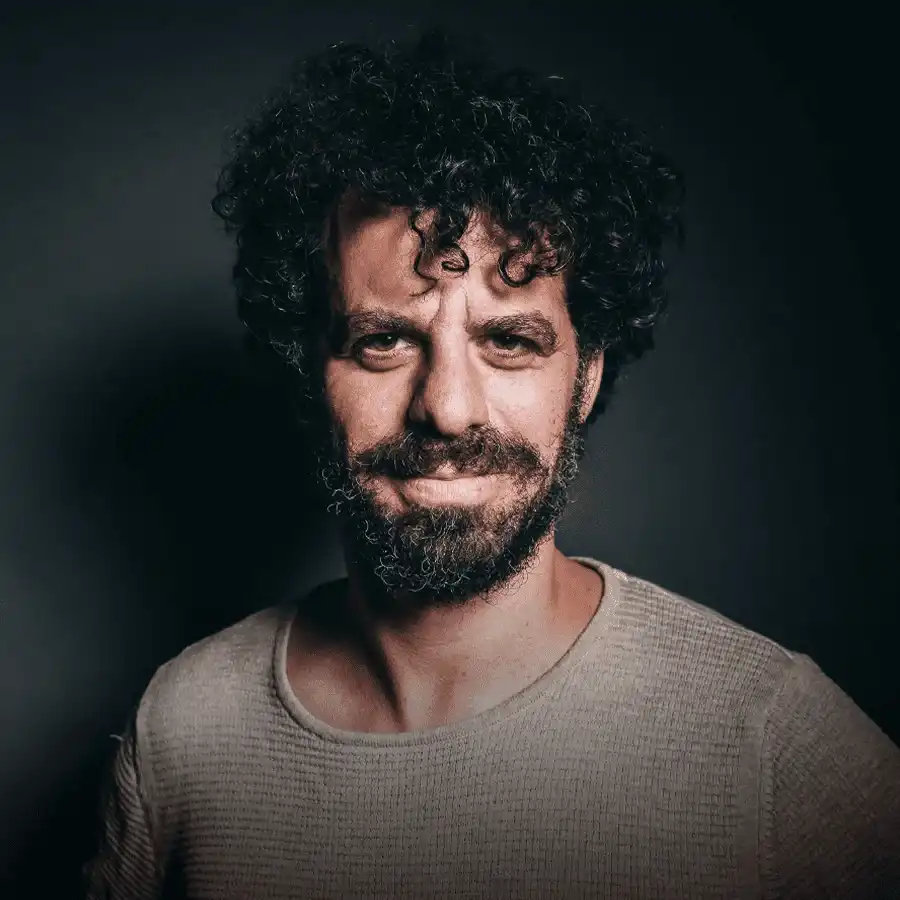
"People will forget what you said... but people will never forget how you made them feel," - Maya Angelou This hands-on workshop…
How do you give and receive feedback? We often find it difficult to tell someone what we really think.
In a few interactive, playful exercises Rod shows people how to switch from ‘Yes, but’ to ‘Yes, and’.
In this 60 minute interactive session, Rod makes the case that the success or failure of everything we do depends on only one…
Rod Ben Zeev discusses the nuances of online facilitation, focusing on the importance of psychological safety and understanding…
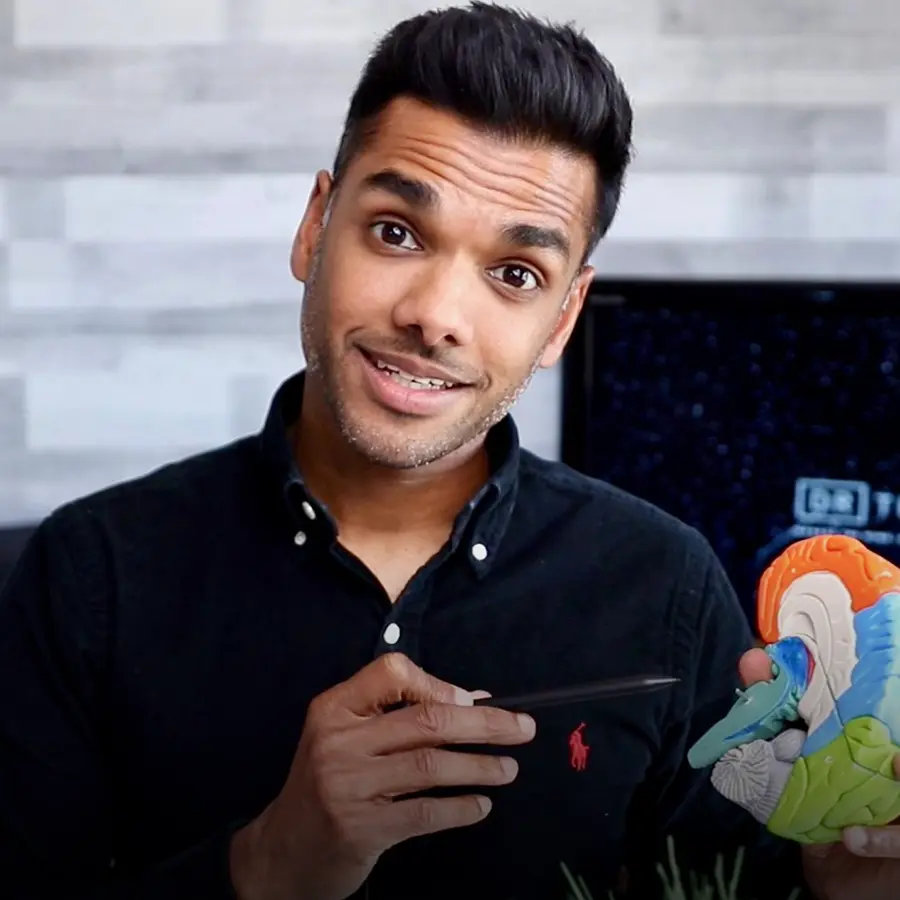
Stress and Burnout are on the rise in the workplace now more than ever before.