Inclusive Leadership: Succeeding Across Cultures
Tash Koster-Thomas
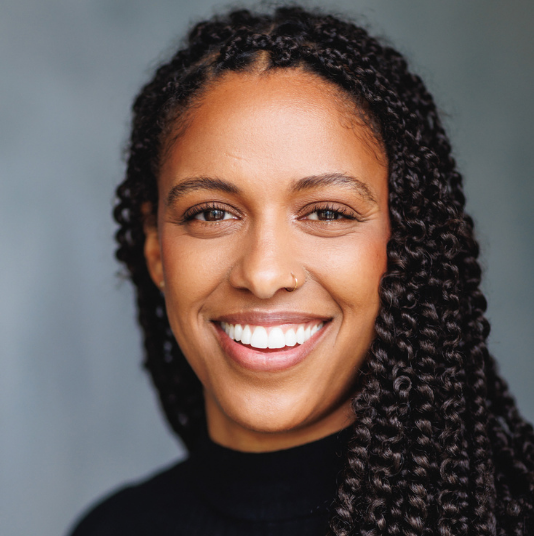
This session equips leaders with the knowledge and tools to build strong, respectful relationships across cultural boundaries. Participants will explore cultural dimensions, communication styles, and leadership approaches that vary across global contexts.
Through interactive activities, case studies, and self-refelction, leaders will gain insight into their own cultural perspectives and learn strategies to bridge differences, foster inclusivity, and drive results in diverse environments. By the end of the session, leaders will be prepared to lead more effectively and inclusively across cultures, promoting collaboration and innovation.
During the expert session, Tash Koster-Thomas engages the audience through interactive exercises using the Mentimeter app, Q&A sessions, and live demonstrations.
In this expert session, Tash discusses the significance of cultural intelligence (CQ) in various aspects of life, including teamwork, communication, problem-solving, and working cross-culturally. CQ is crucial in understanding how cultural differences can impact these areas and lead to more effective collaboration and better relationships.
Tash highlights an example of team dynamics where one member may have a relaxed attitude towards time and another having a strict perspective, leading to potential misunderstandings and frustrations. Furthermore, she explores the various ways of persuading people, either focusing on principles first or applications first.
These approaches can stem from education systems and create challenges when working together.
Moreover, Tash emphasizes the importance of being aware of cultural biases and differences as many international ventures fail due to cross-cultural misunderstandings. Our unconscious bias influences how we perceive and interact with people from diverse backgrounds, leading us to make assumptions based on our own cultural framework.
In the context of collaborating with diverse groups like LGBTQIA+ networks, racial and disability networks, and feedback systems, Tash recommends setting a specific CQ goal, committing to continuous learning and reflection, tracking progress, and adjusting behavior based on cultural differences. She also suggests resources such as 'Culture Map' by David Livermore and encourages practicing nonverbal behaviors customary in other cultures to learn and adapt.
When addressing the question about training employees for inclusive collaboration, Tash recommends having conversations around cultural values and approaches in real-world scenarios rather than just relying on trainings. She acknowledges the relevance of cultural intelligence models like HED (Hofstede's Dimensions) and TRAPPS (Triadic Model of Intercultural Adjustment) but emphasizes their western lens and the importance of continued learning and evolution.
The session then shifts to overcoming culture shock, where Tash shares personal experiences and strategies such as embracing discomfort, observing local customs, and practicing cultural humility. She recommends resources like EqualeX and using AI tools to gain insights when traveling or interacting with different cultures.
A question from the audience asks about incorporating culture awareness moments at the beginning of projects or meetings, to which Tash suggests creating a team agreement, allowing each member an opportunity to share their experiences and perspectives while acknowledging that each team must develop its unique way of working.
Throughout the session, Tash stresses the importance of flexibility and continuous learning when working with diverse cultures.
From the survey every participant gets when the session ends, in their own words.
Great session thanks for inspiring and motivating us to learn more and do better!
Loved the intro, it was very to the point without much chatter. I also really enjoyed the Q&A session at the end, the moderator was great at keeping the conversation up and interpreting the questions that were put into the chat.
This was a great session. Thank you!
Loved the frameworks, how to think about it. Really well done and Tash was fantastic. Great things to think about and I appreciated the challenges.
Thanks for bringing this to us
Tash was an excellent speaker and presenter. Very engaging. The content was perfect for our audience - the right level of depth and breadth.
What an incredible speaker! WOW! So engaging and so energetic! She was by far one of my favourite speakers we've ever had!
As the company consists of multi nationalities, it is interesting to learn how our minds are set based on cultural background.
It is interactive, and the block above says exactly how for this session. Nobody has to speak up who does not want to: the chat and the polls carry most of it, and the questions can come in anonymously.
This session equips leaders with the knowledge and tools to build strong, respectful relationships across cultural boundaries. Participants will explore cultural dimensions, communication styles, and leadership approaches that vary across global contexts. It is built for a general working audience: no prior knowledge is assumed, and people who already know the subject get the research and the practical side rather than an introduction.
Tash Koster-Thomas is one of the experts we auditioned ourselves, and we produce every session so we see how each one lands. Participants rate this session 4.5 out of 5, across 193 responses, and rate Tash personally 4.8 out of 5.
It runs 45 min / 15 min: the talk, then live questions. All you do is pick a date. We brief Tash, produce the session, host and moderate it, run the Q&A, and send you the report within an hour of the end.
A team, a department, an employee network or every single employee at once, with no cap and no per-seat price. It runs inside your own Microsoft Teams, Zoom or Google Meet, or on a branded page we build. No integration, no login, no company device or e-mail.
The session is delivered in English. You can add high accuracy live subtitles in 8, 16 or 24 languages, so everyone follows in their own. That is a paid option, priced by the number of languages you need.
No, and that is by design. There is nothing to install, nothing to integrate and no connection to your systems, so there is nothing for IT to validate: we join your own Teams, Zoom or Meet as a guest speaker, or we host a page and your people open a link. No software, no accounts, and no data of yours that we can reach. It is why hundreds of companies, among them some of the largest technology and financial firms in the world, were able to start within a day.
We never receive or hold personal data about your employees. Because the session runs in your own environment, attendance and identity stay with you, and what we report back is aggregated: numbers, ratings and survey answers, not people. That is also why IT approval usually takes minutes rather than weeks.
You keep the recording and can share it internally. You also get attendance over time, participant ratings for the content and the speaker, the survey answers, and the topics your people asked for next.
In this expert session, Tash Koster-Thomas guides participants through an exploration of racial equity.
This session focuses on exploring the systemic barriers that contribute to gender disparities in the workplace.
This session is designed to empower participants with the knowledge and tools to become effective allies for colleagues with…
The session explores how overlapping identities such as race, gender, sexuality, disability, culture, and age shape women’s…
This expert session focused on understanding LGBTQ+ language and terminology and highlighted how important inclusive…
This expert session highlights the importance of increasing awareness and understanding of the challenges faced by LGBTQIA+…
In her lecture, Tash Thomas-Koster explains that psychological safety is the bedrock of innovation and mental health.
Have you ever left a meeting wishing you'd spoken up? Witnessed a comment that didn't sit right but weren't sure whether to say…
In this session, Tash explores women’s empowerment in the workplace through an intersectional lens.
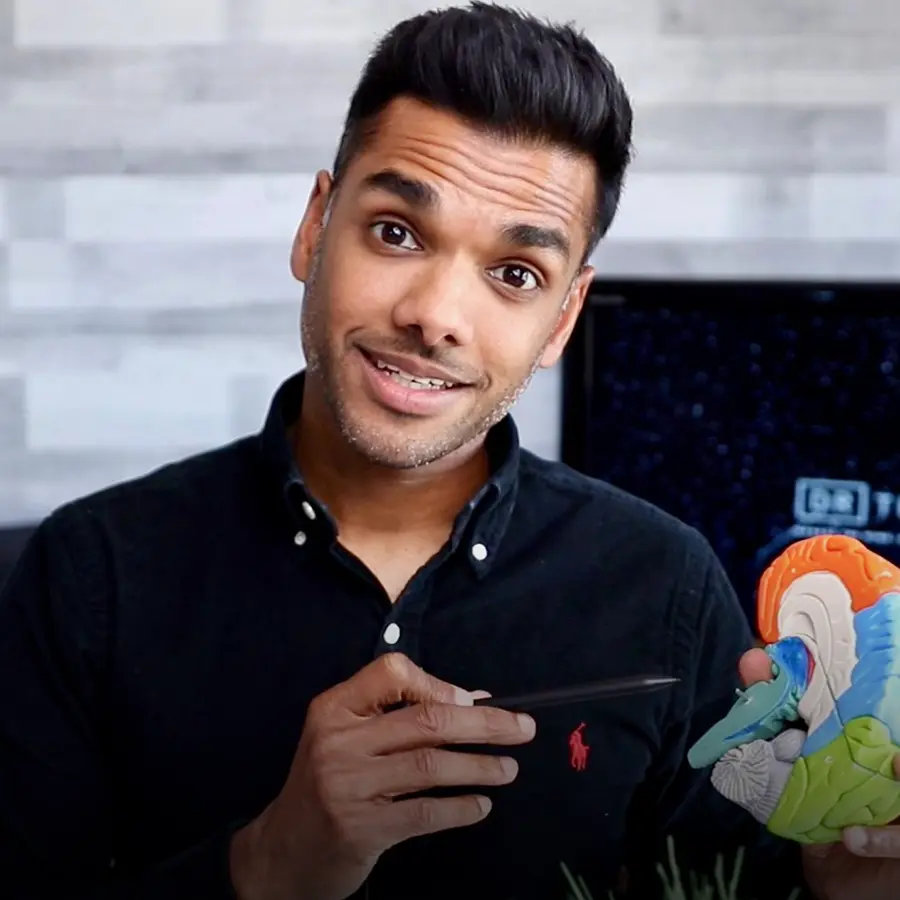
Psychological Safety is a well documented driver of high performance in teams and organisations.
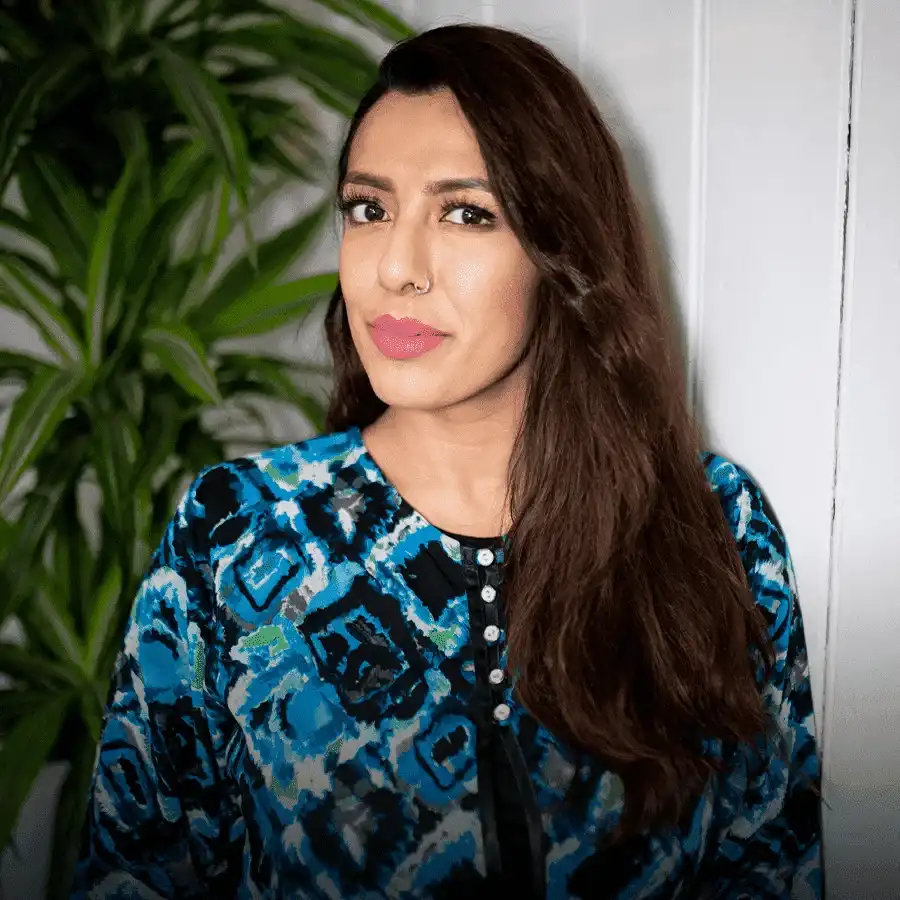
Ramadan and Eid are deeply significant periods in the Islamic calendar, marked by fasting, prayer, and community celebrations.
What does being an ‘Ally’ mean? From case studies to the Wheel of Power and Privilege, this interactive session will take you…
During Taz's session ‘inclusive thinking’ you’ll learn to understand the impact of unconscious bias.
Having white privilege and recognising it is not racist. But white privilege exists because of historic, enduring racism and…
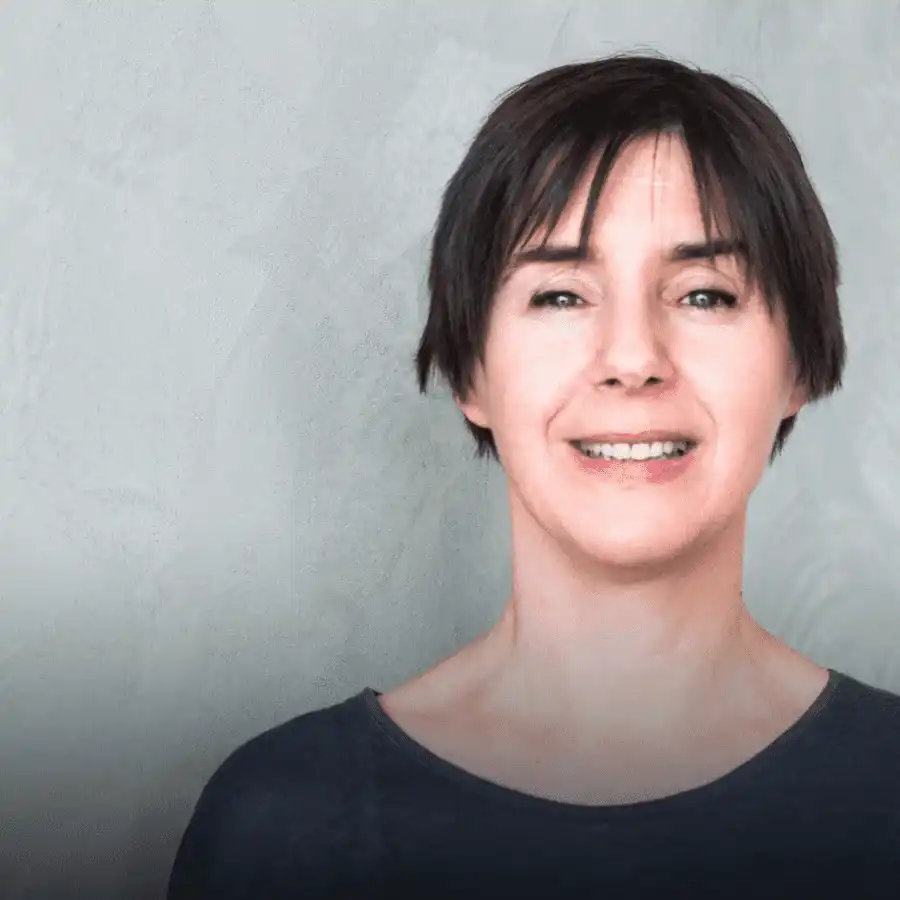
The topic of culture can sometimes seem dry or theoretical, however in reality we all have a natural ability to connect with…