Men’s Health Matters: Prevention, Signals & Action in Male Cancer
Ali Orhan
Book a demo →from €2,250 for your whole company
Book a demo →from €2,250 for your whole company
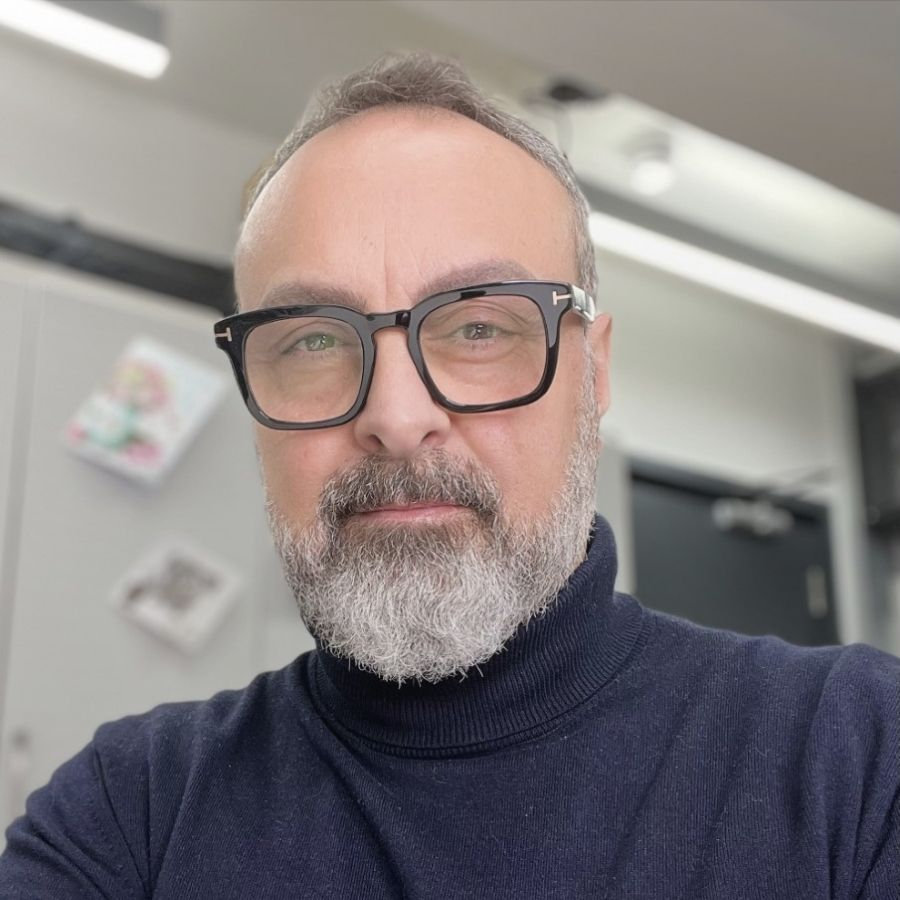
Ali Orhan is the Chief Executive at Orchid, an organization committed to supporting men with male cancer. He is also the Director, Active Participation in Male Cancer Awareness, in Prisons Programme. Ali has over 30 years of executive management experience in the field of Public Health, specialising in cancer prevention and HIV. A trained nurse and qualified social worker, Ali is a BSc Honours graduate of Sociology Applied Social Studies with CQSW (Certificate of Qualification in Social Work). Ali is known for his innovative, mixed-media approaches to health messaging. He developed and produced the acclaimed short film, “A Letter to my Unpresented Self” to help healthcare professionals better understand diagnosis of prostate cancer in the black African and black Caribbean communities. As a passionate advocate of accessible and inclusive services, Ali believes the intersectional experiences of marginalised people’s lives must be recognised and addressed if the gap between poor health outcomes for different communities is to be reduced.
All sessions by Ali →Join Ali Orhan, CEO of Orchid and a veteran in public health and cancer awareness, for a crucial session focused on the prevention, early detection, and understanding of male cancers. Drawing on his experience leading awareness programmes and health messaging campaigns, Ali will guide participants through key risk factors, telltale signs and symptoms to watch for, and practical steps individuals and organizations can take to act early.
By demystifying the disease journey and empowering proactive behaviors, this session helps foster a healthier, better-informed population, both male and female.
During the expert session, engages participants through a series of interactive activities and Q&A.
Regular check-ups, including PSA tests and digital rectal exams, are essential for early detection and treatment of prostate conditions.
Encouraging open communication about prostate health concerns, offering emotional support to partners, and creating a supportive work environment can help alleviate fears and improve mental wellbeing during challenging times.
Overcoming embarrassment or fear, prioritizing health, and getting checked out as soon as possible are crucial steps in achieving optimal health outcomes through early detection of various conditions.
In his compelling lecture, Ali Orhan, CEO of Orchid, tackles the silent crisis of men's health by focusing on the critical need for prostate cancer awareness. He highlights that while this is now the most common cancer among men in the UK, a persistent culture of silence often prevents early diagnosis.
Orhan strips away the stigma, providing a clear and urgent guide to understanding a condition that many prefer to ignore until it is too late.
The session explores risk factors that individuals cannot change, such as age, family history, and ethnicity. Orhan points out the staggering statistic that Black men face a one in four risk, double that of the general population.
He details the specific physical signs that demand attention, from changes in urinary habits to unexplained lower back pain, urging men to stop dismissing these symptoms as mere side effects of getting older.
At its heart, the lecture is designed to demystify the diagnostic process and alleviate the fear surrounding medical examinations. Orhan speaks candidly about blood tests and physical checks, reassuring men that these procedures are vital medical tools that do not define their masculinity.
By sharing powerful stories of those who navigated the journey alone versus those with support, he emphasizes that transparency with loved ones is a strength. This session serves as an essential call to action to prioritize health over embarrassment and catch potential issues while they are still treatable.
No prior knowledge is assumed. It is built for a general working audience, and people who already know the subject get the research and the practical side rather than an introduction. What the hour itself covers: Join Ali Orhan, CEO of Orchid and a veteran in public health and cancer awareness, for a crucial session focused on the prevention, early detection, and understanding of male cancers. Drawing on his experience leading awareness programmes and health messaging campaigns, Ali will guide participants through key risk...
It is interactive, and the block higher up on this page says exactly how for this session. Nobody has to speak up who does not want to: the chat and the polls carry most of it, and the questions can come in anonymously.
It runs 45 min / 15 min: the talk, then live questions. All you do is pick a date. We brief Ali, produce the session, host and moderate it, run the Q&A, and send you the report within an hour of the end.
A team, a department, an employee network or every single employee at once, with no cap and no per-seat price. It runs inside your own Microsoft Teams, Zoom or Google Meet, or on a branded page we build. No integration, no login, no company device or e-mail.
The session is delivered in English. You can add high accuracy live subtitles in 8, 16 or 24 languages, so everyone follows in their own. That is a paid option, priced by the number of languages you need.
No, and that is by design. There is nothing to install, nothing to integrate and no connection to your systems, so there is nothing for IT to validate: we join your own Teams, Zoom or Meet as a guest speaker, or we host a page and your people open a link. No software, no accounts, and no data of yours that we can reach. It is why hundreds of companies, among them some of the largest technology and financial firms in the world, were able to start within a day.
We never receive or hold personal data about your employees. Because the session runs in your own environment, attendance and identity stay with you, and what we report back is aggregated: numbers, ratings and survey answers, not people. That is also why IT approval usually takes minutes rather than weeks.
You keep the recording and can share it internally. You also get attendance over time, participant ratings for the content and the speaker, the survey answers, and the topics your people asked for next.
Psychological Safety is a well documented driver of high performance in teams and organisations.

In a world of uncertainty, we cannot always control all the bad things that happen to us, but we can control the way that we…

“Netflix’s biggest competitor is sleep.”That statement captures the reality of today’s attention economy.

Stress appears to be one of the greatest threats to society. What can neuroscience tell you about what happens in your brain when…
1 in 4 people will experience a mental health disorder during their lifetime and the numbers keep rising.
There’s a myth fed by advertisement and social media that self-care is something like a luxurious spa-day, an extravagant weekend…