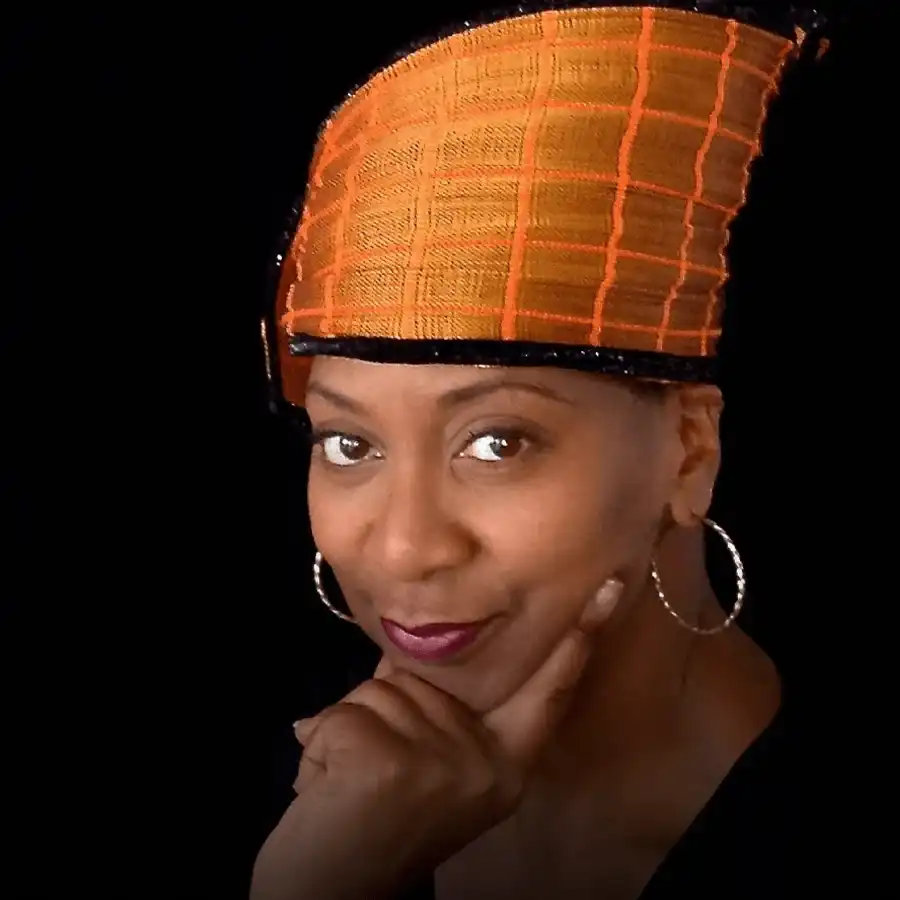
Jennifer Tosch, is a cultural historian, activist, founder of Black Heritage Tours in Amsterdam (Netherlands), and New York State; co-author of 3 guide books on Dutch colonial history: Jennifer is also completing a dual-Masters degree at the University of Amsterdam in (Cultural) Heritage %26 (Historic) Memory. Jennifer was born in Brooklyn, New York to Surinamese parents who immigrated to the US in 1964. In 2013 she founded the Black Heritage Tour in Amsterdam and in 2017 the Black Heritage Tour in New York State. Moreover, Jennifer is one of the voices of the Dutch Black Lives Matter movement, and is a regular speaker at Black Lives Matter demonstrations.
All sessions by Jennifer →In this expert session, Jennifer Tosch delves into the intricacies of understanding the historical background and contemporary manifestations of exploitation, focusing on the emergence of modern-day slavery. About 150 years ago, slavery was still fairly common in large parts of the Americas and Europe.
She starts with addressing questions such as: How could such a cruel and absurd phenomenon become so widespread? Where did it happen? What did slavery look like? Was there no popular resistance? And could such a thing happen again?
The second part of the session will focus on how the History of Slavery does not end with ‘legal abolition’. The system of slavery changed after the 19th century, and took on new forms of forced labor and exploitation.
Jennifer will talk about the ‘future for the past’ that highlights the afterlife and legacy of slavery through ongoing activism, apologies, social justice, reparations and new research.
During the expert session, Jennifer Tosch invites audience participation through a Q&A session, live demonstrations of historical cases, and interactive exercises using the Mentimeter app to explore modern-day slavery's complexities and individual roles in eliminating it. She emphasizes intersectionality and encourages community action, supporting resources and organizations for further learning.
Understanding the historical narratives and legacy of colonialism is essential to comprehending the complexities of modern-day slavery and exploitation.
Examining personal roles and supporting organizations, becoming informed about industries involved in modern-day slavery, and engaging in community activism are crucial steps in eliminating exploitation.
Acknowledging the interconnected nature of historical and current social issues, including race, gender, sexuality, human rights, and women's rights, is necessary for creating effective change and promoting inclusive conversations.
In this expert session, Jennifer Tosch delves into the intricacies of understanding the historical background and contemporary manifestations of exploitation, focusing on the emergence of modern-day slavery. She shares her personal journey of investigating her family history during the period following the abolition of slavery in the late 19th century.
During this time, some enslaved people formed cooperatives to buy land, while others were brought as forced labor from colonies to fill labor shortages.
Jennifer illuminates the parallels and distinctions between earlier forms of exploitation and modern slavery, which comprises practices such as bondage, forced marriage, child labor, human trafficking, and forced labor. The top countries harboring the largest percentages of victims include Mauritania, Mali, Haiti, Pakistan, India, Nepal, among others, and the United States is also implicated due to importing products made by exploited laborers.
Emphasizing the significance of acknowledging historical narratives and the legacy of colonialism, Jennifer encourages action from various stakeholders, including businesses, governments, and communities, to eradicate modern slavery. She advocates for supply chain transparency, reformation of global supply chains, increased awareness, education, and acknowledgment of historical inequalities, as well as reparations.
Jennifer also emphasizes the importance of intersectionality when addressing complex social issues. She encourages everyone to reflect on their role in creating change and becoming aware of their power in shaping movements.
She highlights how iconic social justice movements began as responses from individuals and suggests becoming informed about industries and companies involved in modern-day slavery, supporting organizations monitoring these corporations, joining or starting a community, and looking into the origins of products we consume daily, such as coffee and chocolate.
During the question and answer session, Jennifer provides resources for individual actions to reduce the number of modern-day slaves, like lists of organizations and reading materials on colonial heritage and modern-day slavery. She also encourages everyone to engage in direct activism and looks forward to future collaborations.
No prior knowledge is assumed. It is built for a general working audience, and people who already know the subject get the research and the practical side rather than an introduction. What the hour itself covers: In this expert session, Jennifer Tosch delves into the intricacies of understanding the historical background and contemporary manifestations of exploitation, focusing on the emergence of modern-day slavery. About 150 years ago, slavery was still fairly common in large parts of the Americas and Europe.
Jennifer Tosch is one of the experts we auditioned ourselves, and we produce every session so we see how each one lands. Participants rate this session 4.5 out of 5, across 46 responses, and rate Jennifer personally 4.7 out of 5.
It is interactive, and the block higher up on this page says exactly how for this session. Nobody has to speak up who does not want to: the chat and the polls carry most of it, and the questions can come in anonymously.
It runs 45 min / 15 min: the talk, then live questions. All you do is pick a date. We brief Jennifer, produce the session, host and moderate it, run the Q&A, and send you the report within an hour of the end.
A team, a department, an employee network or every single employee at once, with no cap and no per-seat price. It runs inside your own Microsoft Teams, Zoom or Google Meet, or on a branded page we build. No integration, no login, no company device or e-mail.
The session is delivered in English. You can add high accuracy live subtitles in 8, 16 or 24 languages, so everyone follows in their own. That is a paid option, priced by the number of languages you need.
No, and that is by design. There is nothing to install, nothing to integrate and no connection to your systems, so there is nothing for IT to validate: we join your own Teams, Zoom or Meet as a guest speaker, or we host a page and your people open a link. No software, no accounts, and no data of yours that we can reach. It is why hundreds of companies, among them some of the largest technology and financial firms in the world, were able to start within a day.
We never receive or hold personal data about your employees. Because the session runs in your own environment, attendance and identity stay with you, and what we report back is aggregated: numbers, ratings and survey answers, not people. That is also why IT approval usually takes minutes rather than weeks.
You keep the recording and can share it internally. You also get attendance over time, participant ratings for the content and the speaker, the survey answers, and the topics your people asked for next.
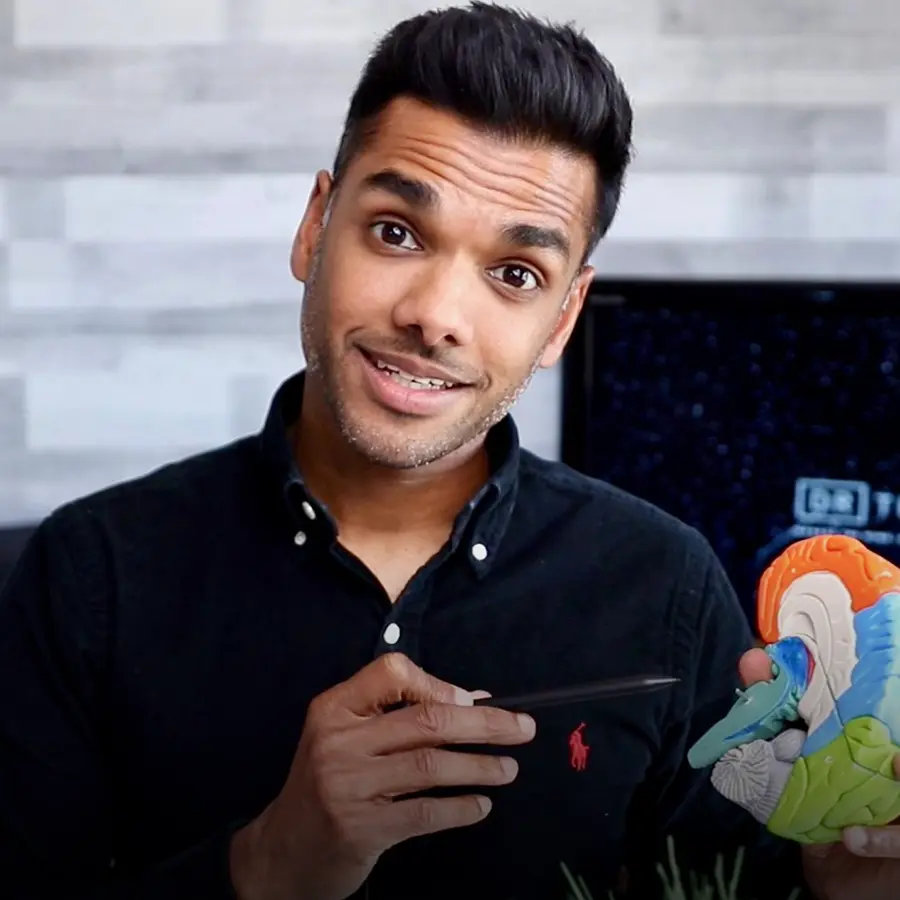
Psychological Safety is a well documented driver of high performance in teams and organisations.
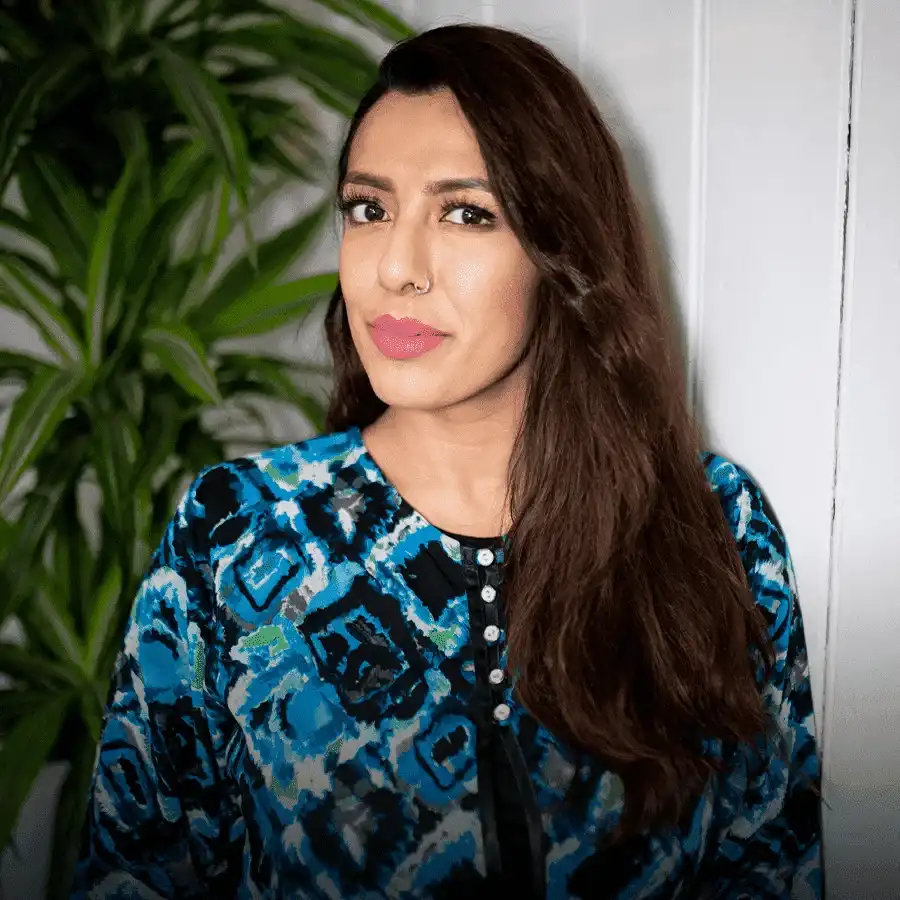
Ramadan and Eid are deeply significant periods in the Islamic calendar, marked by fasting, prayer, and community celebrations.
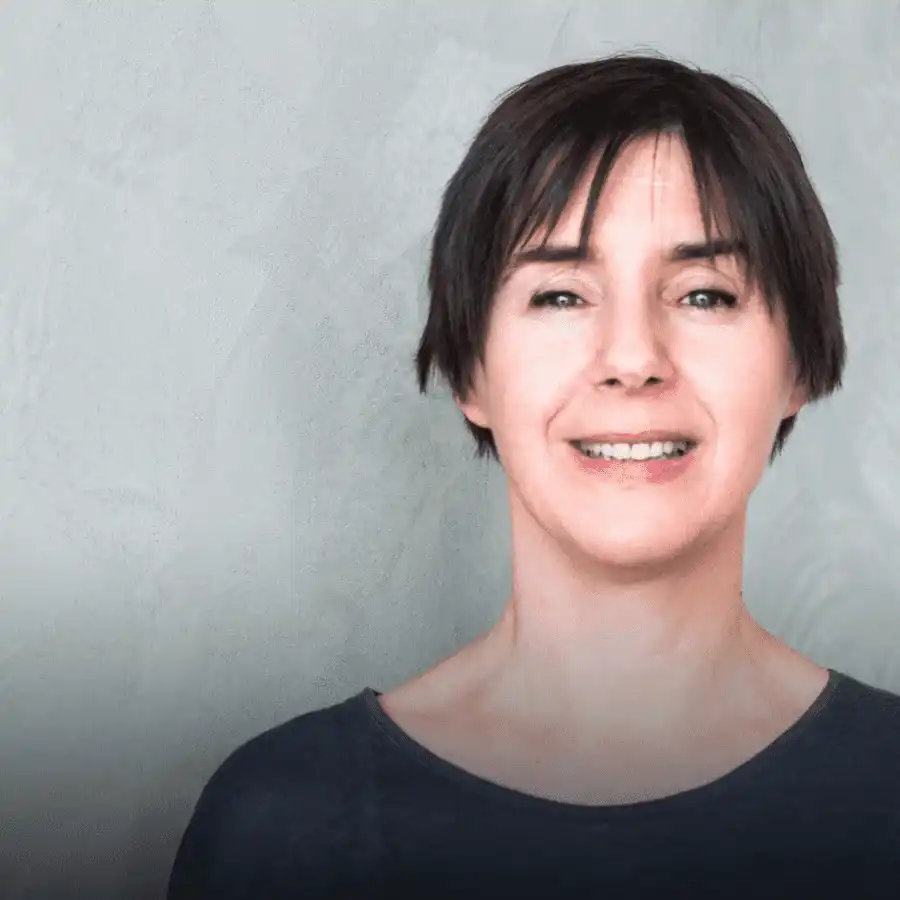
The topic of culture can sometimes seem dry or theoretical, however in reality we all have a natural ability to connect with…
Female Leadership is in high demand in organizations but numbers show that often women are still not present at the tables of…
Skillful communication and warm connection are needed today more than ever before — whether that be in your professional or…

AI has the power to shape our world, and is increasingly becoming part of our daily lives - but what happens when it inherits…